


Photo adjustments
EXIF orientation normalized; resized without changing aspect ratio; converted to WebP. No subject edits.
Explore the region
About Shuitingmen Historic District
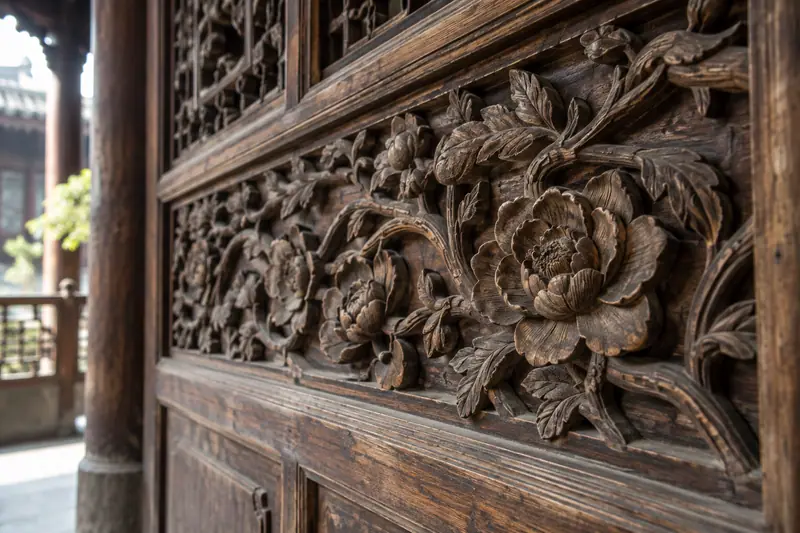
White walls, dark tiled roofs, horse-head gables and carved wooden windows give the lanes their architectural character. Temples, ancestral halls and former guild halls sit among the residences. A conservation programme began in 2013; a second phase launched in 2017 aimed to combine repairs to historic buildings with facade work and new infill designed to fit the streetscape.
Tianwang Tower is a prominent landmark, but the seven-storey, six-sided structure visible today was reconstructed in 2015. Its predecessor had been dismantled in 1952, and archaeological work preceded the rebuilding. This distinction is part of understanding the district's mix of inherited layout, protected remains and renewed buildings.
What to look for
- The three-street, seven-lane network and its carved windows and stepped gables.
- The temples, ancestral halls and guild-hall buildings among the traditional residences.
- The reconstructed, seven-storey Tianwang Tower.
Location & getting there
Getting to Shuitingmen Historic District
Identify the main visitor approach and any separately managed houses, museums or performances. Ask before entering residential spaces or photographing residents.
- Search for 水亭门历史街区 with 衢州市 and 柯城区.
Find Shuitingmen Historic District
水亭门历史街区 · 柯城区
No reliable map pin yet: search by the Chinese name.
Sources & visit information
The linked sources support the identity and background described in this introduction. Opening hours, admission, activity availability and exact arrival arrangements have not been comprehensively checked. Confirm current visitor information with the venue; the original catalogue locality and editorial review flag are retained.