

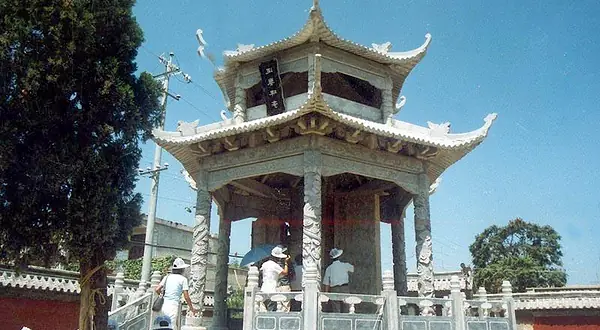
Photo adjustments
EXIF orientation normalized; resized without changing aspect ratio; converted to WebP. No subject edits.
Explore the region
About Qicheng Cultural Relics Scenic Area
Qicheng stood on the southeast bank of the old course of the Yellow River and was the fief of the Sun ministerial family of Wey. The Henan cultural heritage administration calls it the most completely preserved Spring and Autumn city site in northern Henan. Its name comes from an ancient weapon, and Wey had a companion city named Gan; Qicheng is counted as one of the places of origin of both the Sun and the Qi surnames. Between 626 BC and 531 BC seven covenant assemblies were held here, with as many as fourteen states taking part on one occasion. The site was declared a national key protected cultural heritage unit in the fourth batch in December 1996.
The scenic area covers more than 760 mu and takes in over a dozen separate features, among them the que gate, the covenant platform, the city site itself, the Zhuanxu Xuangong, the Qicheng historical exhibition hall and the Zilu grave shrine. One hall shows the mussel-shell dragon and tiger figures known as the 'First Dragon of China'; these were excavated in 1987 not here but at the Xishuipo Yangshao site elsewhere in Puyang, and radiocarbon dating of the shells puts them at roughly 6,500 years old.
What to look for
- The covenant platform still standing outside the east wall of the city site, where the Spring and Autumn assemblies were held
- The remains of the walled city itself, described by the provincial heritage administration as the most completely preserved Spring and Autumn city site in northern Henan
- The display of the mussel-shell dragon and tiger from the Xishuipo Yangshao burial, dated to about 6,500 years ago
- The Zilu grave shrine, marking the traditional burial place of Confucius's disciple killed in the Wey succession struggle of the late sixth century BC
- The Qicheng historical exhibition hall and the Zhuanxu Xuangong within the park
Location & getting there
Getting to Qicheng Cultural Relics Scenic Area
Check which interiors and courtyards are accessible. Active places of worship and protected monuments may have different visitor rules.
- Search for 戚城文物景区 with 濮阳市 and 华龙区.
Find Qicheng Cultural Relics Scenic Area
戚城文物景区 · 华龙区
No reliable map pin yet: search by the Chinese name.
Sources & visit information
The linked sources support the identity and background described in this introduction. Opening hours, admission, activity availability and exact arrival arrangements have not been comprehensively checked. Confirm current visitor information with the venue; the original catalogue locality and editorial review flag are retained.