

Photo adjustments
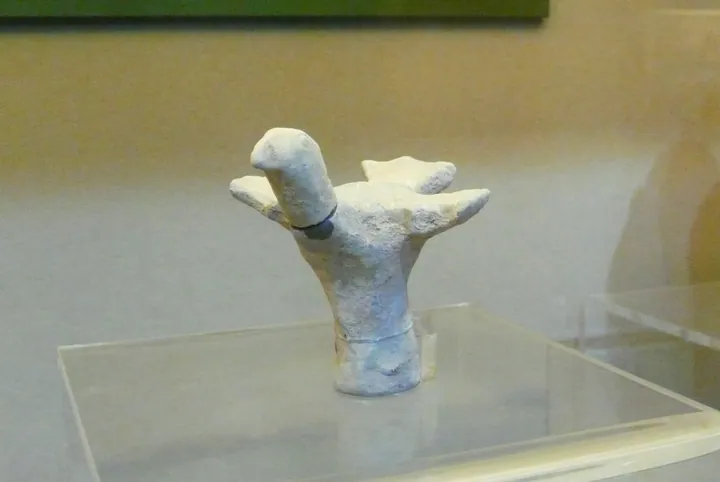
Full frame retained; proportionally resized and converted to WebP. No retouching or changes to the photographed subject. Card displays may crop the view.
Explore the region
About Bozhou Museum
Founded in 1959, the museum presents a chronological permanent exhibition on five thousand years of Bozhou's history inside a Han-style building. Its inscribed-brick gallery brings that long history down to individual acts of writing: workers scratched dates, quantities and names into clay before it dried. The different scripts on these Eastern Han bricks connect archaeological objects with the development of Chinese calligraphy.
What to look for
- The chronological permanent exhibition on Bozhou's cultural history.
- The Cao family tomb-brick gallery, especially the inscriptions made in wet clay.
- The museum's Han-style exterior.
Location & getting there
Getting to Bozhou Museum
Confirm the venue or campus, reservation channel and exhibition calendar. A museum name may cover more than one building.
- Search for 亳州博物馆 with 亳州市 and 谯城区.
Find Bozhou Museum
亳州博物馆 · 谯城区
No reliable map pin yet: search by the Chinese name.
Sources & visit information
The linked sources support the identity and background described in this introduction. Opening hours, admission, activity availability and exact arrival arrangements have not been comprehensively checked. Confirm current visitor information with the venue; the original catalogue locality and editorial review flag are retained.