

Fresh Chilli Fish 鲜椒鱼
Fresh Chilli Fish is featured among the local specialties of Sichuan.
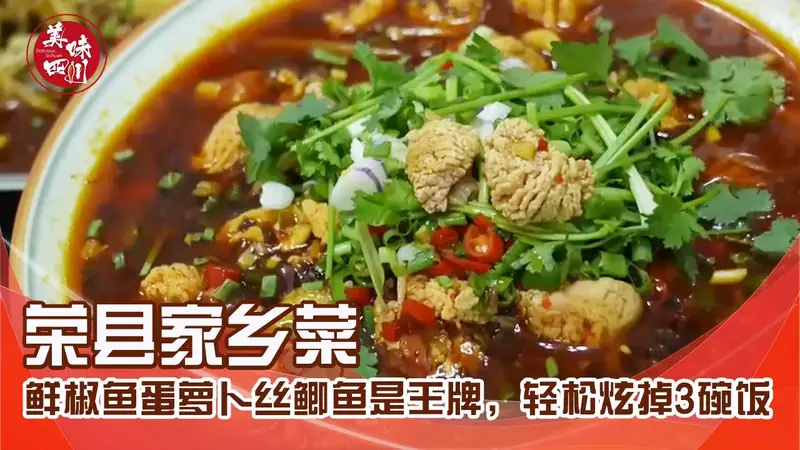
Photo adjustments
EXIF orientation normalized; resized without changing aspect ratio; converted to WebP. No subject edits.
Fresh Chilli Fish (鲜椒鱼) is a Sichuan fish dish whose whole identity sits in its name: 鲜椒 means fresh chillies and 鱼 means fish, so the heat and the fish are both advertised.
Fresh chillies change the pan
Fresh chillies are not dried ones, and the difference is water as much as heat. They go into the pan with the fish, sometimes as a green base cooked down into a loose sauce and sometimes as a topping ladled over at the end, so the dish stays bright rather than dark. The fish is the part that punishes inattention: a whole fish or thick fillets need gentle heat and a short time, and they keep cooking after they leave the pan. Two minutes of extra heat will not show up in the sauce, only in the texture of the fish, which is why the order of the plate matters as much as the recipe.
Grassy heat, not smoke
Expect a fresh, grassy heat rather than the smoky depth of dried chilli, with the fish tasting of itself instead of being buried. The sauce is usually thin enough to spoon over rice but not thick enough to coat the fish like a glaze. Heat levels vary widely between kitchens, and a milder plate is easier to enjoy than a whole fish cooked in a fierce one.
Why the ingredient word leads
The dish is listed for Zigong in southern Sichuan, a city whose cooking is known inside the province for being direct with chilli. A fish named for fresh chillies fits that approach: the ingredient word carries the identity and the fish is the canvas. Nearby menus sell other fish dishes under their own names, so the fish and the chilli handling are the variables worth comparing.
Ingredients and dietary checks
Fish, fresh chillies, ginger, garlic and salt are the backbone, with pickled chilli, fermented bean paste or a little vinegar depending on the kitchen. Because fish is the main ingredient, freshness decides more than seasoning does, and the type of fish matters to anyone who dislikes bones. Ask 是什么鱼 (what fish), 有刺吗 (are there bones) and 辣不辣 (how spicy) before choosing.
How to order it
Ask whether the fish is sold whole or by weight, since 一条 (one fish) and 一斤 (half a kilo) are different orders, and whether it comes in broth or as a topping. For a small table, 小一点的 (a smaller one) is a fair request. Say 少放辣椒 (less chilli) rather than asking for none, because a fresh-chilli dish without its chilli is a different plate. It is also worth asking whether the chilli is a mild green one or a hotter variety, since the two produce quite different plates under the same name.
Serving and eating a whole fish
Serve it with rice and a plain vegetable, because the sauce is built to be spooned rather than eaten on its own. A whole fish is eaten by lifting the flesh off the bone from the top side first, then turning it, and the head and tail are left to whoever enjoys them. If the plate is shared, agree early who takes the cheeks, which cool first. At a large table, ask for the sauce on the side so the fish stops cooking in it while the rest of the meal is eaten.
More dishes to compare
Explore related local specialties and compare their names, preparation notes and ordering guidance.
Daqian Dry-Braised Fish 大千干烧鱼 →
Daqian Dry-Braised Fish (大千干烧鱼) is the opposite approach: 干烧 cooks the sauce down until almost nothing is left, so the flavour is deep, dried and concentrated. Where 鲜椒鱼 keeps the sauce loose and the chilli fresh, this one reduces everything onto the fish. Ordering one tells you what to expect from the other.
Questions before you order
Is 鲜椒鱼 very spicy?
It can be. The heat depends on how many fresh chillies the kitchen uses, so ask 辣不辣 and 少放辣椒 instead of assuming either way.
Can it be ordered without bones?
Sometimes. Fillets are easier to find than a boneless whole fish, so ask 有刺吗 and whether the kitchen can use a thick fillet instead.
Sources & reading
The supplied food list supports this name and regional association. The culinary terms below are explained as menu vocabulary; a local recipe, origin story and venue availability have not been independently verified.