

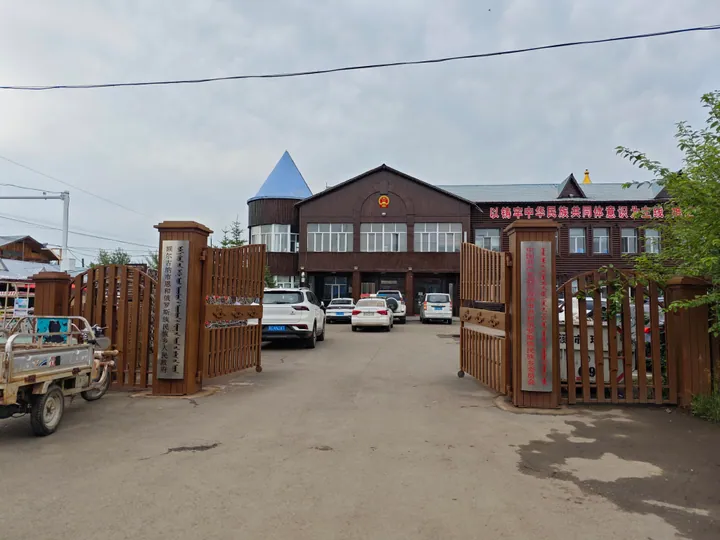
Photo adjustments
Full frame retained; proportionally resized and converted to WebP. No retouching or changes to the photographed subject. Card displays may crop the view.
Explore the region
About Enhe Russian Ethnic Township
Enhe Russian Ethnic Township (恩和俄罗斯族民族乡) is a township of Ergun (额尔古纳) in Hulunbuir (呼伦贝尔), Inner Mongolia, on the Chinese side of the Argun River (额尔古纳河) border with Russia. It is the only township in China set aside for the Russian ethnic minority.
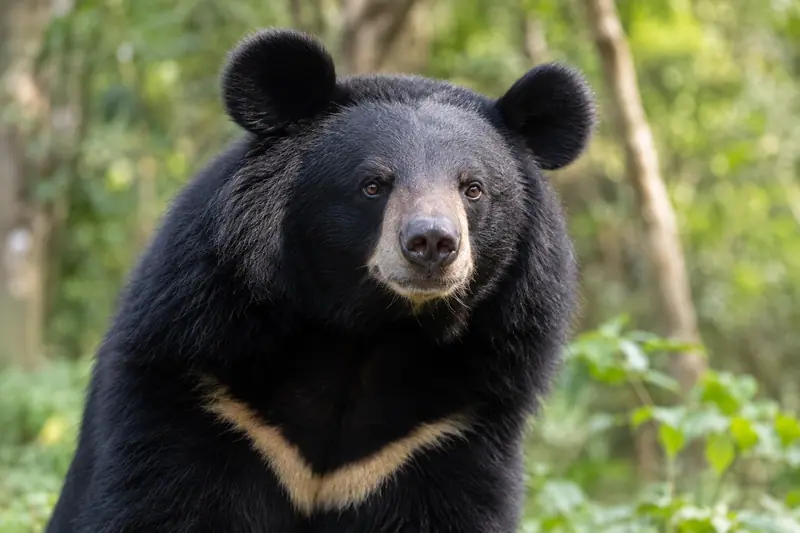
Enhe lies east of the Argun and west of the Greater Khingan Mountains (大兴安岭). Its centre is 98 km north of Ergun's urban area, and the township spreads over 2,068 km² of hills between 700 and 1,000 m above sea level. The Argun forms 75 km of frontier with Russia here. Much of the land is untouched forest and grassland, with lingonberries and blueberries, and animals such as the Asian black bear, Siberian roe deer, lynx and hazel grouse. Yearly average temperatures sit between −5°C and −4°C, with about 90 frost-free days.
Marriages between Chinese and Russians in this area are recorded from the 1890s. In the 19th century gold drew Russian miners; Chinese labourers who worked on their ventures, nearly all single men, sometimes married Russian women, and after the 1917 revolution White Russians fleeing the Bolsheviks settled too. During the Cultural Revolution and the Sino-Soviet split, Red Guards destroyed Orthodox churches and many Russians left, while children of mixed marriages mostly stayed. Much of today's population descends from these mixed marriages. Enhe was separated from Shiwei Russian Ethnic Township (室韦俄罗斯族民族乡) in 2011, and in August 2013 Enhe village was named in the second batch of Chinese Traditional Villages (中国传统村落). In 2026 The New York Times reported that most residents registered as Russian speak only Chinese.
China News Service described streets lined with Russian-style log houses (木刻楞), residents of Russian descent singing to the accordion, and visitors riding in horse carts. The main season is July and August; even in mid-August nights are cold enough for down jackets. Russian bakeries, buildings in the style of Russian wooden cottages and homestays modelled on Russian village life draw visitors, and in 2017 a plein-air painting event launched an "oil-painting town" project here.
What to look for
- Streets of Russian-style log houses (木刻楞) in Enhe village, a Chinese Traditional Village since 2013
- Russian bakeries and homestays modelled on Russian village life
- Accordion music and song by residents of Russian descent
- Forest and grassland along the Argun River frontier with Russia
Location & getting there
Getting to Enhe Russian Ethnic Township
- Search for 恩和俄罗斯族民族乡 with 呼伦贝尔市 and 额尔古纳市.
Find Enhe Russian Ethnic Township
恩和俄罗斯族民族乡 · 额尔古纳市
No reliable map pin yet: search by the Chinese name.
Sources & visit information
Written from the linked sources and checked sentence by sentence against quoted extracts by a separate reviewer on 2026-09-23. Opening hours, admission and access arrangements are not covered; confirm current visitor information with the site.
Some facts checked against Wikipedia contributors, "恩和俄罗斯族民族乡" · CC BY-SA 4.0.
Some facts checked against Wikipedia contributors, "Enhe" · CC BY-SA 4.0.