

Photo adjustments
EXIF orientation normalized; resized without changing aspect ratio; converted to WebP. No subject edits.
Explore the region
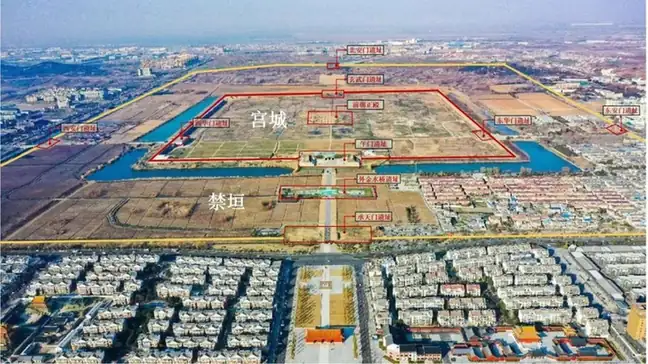
About Ming Zhongdu Imperial City Ruins
The founder of the Ming dynasty halted the project six years after construction began, retaining Nanjing as his capital. Palace buildings subsequently disappeared, but surviving wall sections and the platforms of Wumen and Xihua gates still convey parts of the planned city's scale and arrangement.
Traces of the inner Jinshui River and its bridges add another layer to the archaeological landscape. Conservation has included repairs to damaged wall masonry and protective barriers around vulnerable remains; the site is best understood through these surviving structures and traces rather than as a complete standing palace complex.
What to look for
- Surviving sections of the imperial city walls.
- The remaining platforms of Wumen and Xihua gates.
- Water-channel and bridge traces associated with the inner Jinshui River.
Location & getting there
Getting to Ming Zhongdu Imperial City Ruins
Check which interiors and courtyards are accessible. Active places of worship and protected monuments may have different visitor rules.
- Search for 明中都皇故城遗址 with 滁州市 and 凤阳县.
Find Ming Zhongdu Imperial City Ruins
明中都皇故城遗址 · 凤阳县
No reliable map pin yet: search by the Chinese name.
Sources & visit information
The linked sources support the identity and background described in this introduction. Opening hours, admission, activity availability and exact arrival arrangements have not been comprehensively checked. Confirm current visitor information with the venue; the original catalogue locality and editorial review flag are retained.