

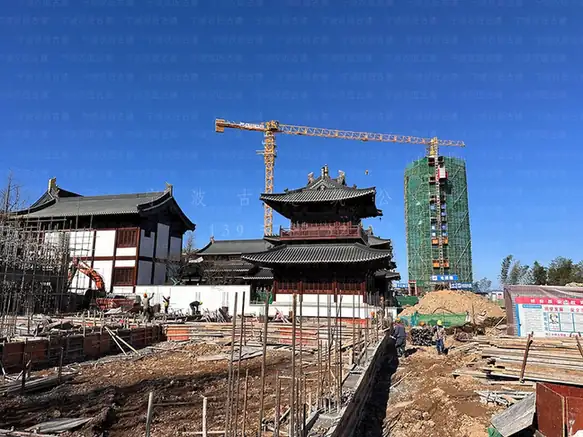
Photo adjustments
EXIF orientation normalized; resized without changing aspect ratio; converted to WebP. No subject edits.
About Nangshan Temple
Its religious history reaches back to the Tang period, when the monastery developed beside an important travel route. During the Tang and Song periods it also served as a stopping place for officials and other travellers moving between the Fuzhou and Xiamen areas. This role made the monastery part of the region’s wider network of movement and hospitality.
The buildings reflect repeated renewal: the main Buddha hall was restored in the Guangxu reign, and further renovation followed the arrival of a new abbot in 2016. Relics recorded at the temple include part of a pagoda inscription commemorating Master Miaoying and a large Ming-period cooking cauldron, objects that connect religious memory with the practical life of a large monastic community.
What to look for
- The main Buddha hall against Nangshan’s wooded peaks.
- The fragmentary Miaoying pagoda inscription and the large historic cooking cauldron among the temple’s recorded relics.
Location & getting there
Getting to Nangshan Temple
Check which interiors and courtyards are accessible. Active places of worship and protected monuments may have different visitor rules.
- Search for 囊山寺 with 莆田市 and 涵江区.
Find Nangshan Temple
囊山寺 · 涵江区
No reliable map pin yet: search by the Chinese name.
Sources & visit information
The linked sources support the identity and background described in this introduction. Opening hours, admission, activity availability and exact arrival arrangements have not been comprehensively checked. Confirm current visitor information with the venue; the original catalogue locality and editorial review flag are retained.