


Photo adjustments
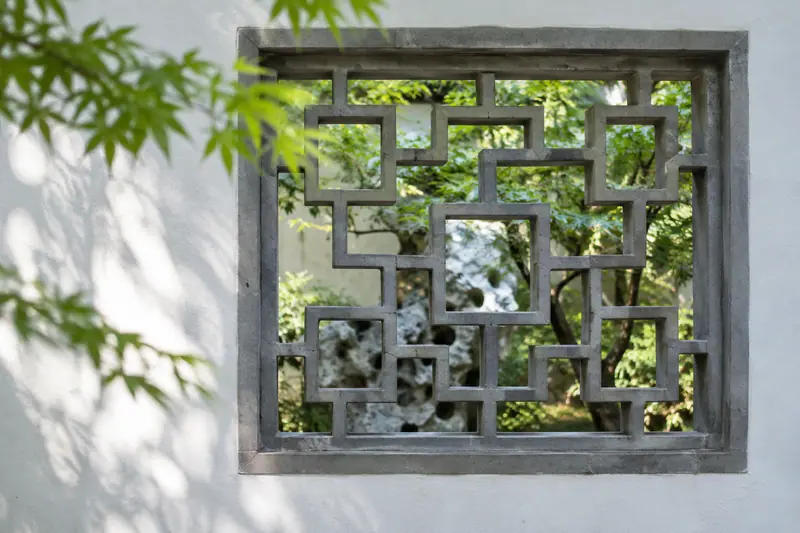
Full frame retained; proportionally resized and converted to WebP. No retouching or changes to the photographed subject. Card displays may crop the view.
Explore the region
About Two Rivers and Four Lakes
Liangjiang Sihu (两江四湖) is the ring waterway at the centre of Guilin formed by linking the Li River and the Taohua River to four lakes — Rong Hu, Shan Hu, Gui Hu and Mulong Hu — under a municipal water project the city government put forward in 1998.
The scenic area's operator, Guilin Liangjiang Sihu Tourism Co., Ltd., describes the waterway as made up of six connected water bodies: Rong Hu, Shan Hu, Gui Hu and Mulong Hu together with the Li River and the Taohua River. China Radio International's Guilin coverage traces sightseeing in Guilin back more than 1,500 years to the Southern Dynasties and reports it flourishing through the Tang, Song, Ming and Qing, before parts of the old water system became landlocked inner lakes and some ponds were filled in. The city government put forward the Liangjiang Sihu concept in 1998; the project headquarters chief, Chen Jianguo, told CRI that the initial works focused on dredging and connecting the inner lakes with the Li and Taohua rivers to form a first-phase inner loop, which opened to navigation on 3 May 2002. Tang Fang told CRI that the works uncovered and led to the restoration of more than 50 cultural-relic structures that had been submerged or buried. The city government announced a second-phase project in 2010, aimed at the Taohua River and connecting waterways into an outer loop.
The scenic-area operator describes its boat route as passing more than ten traditional hills, among them Xiangbi Shan (Elephant Trunk Hill), Fubo Shan, Diecai Shan, Laoren Shan and Baoji Shan, and names the Sarira Pagoda, the Hongqiao dam, the Zhuzi memorial arch and the Dujiao pavilion as landmarks along the Taohua River section. It labels the Rong Hu and Shan Hu section a classical Chinese garden zone, the Gui Hu section an ecological garden, and the Mulong Hu section a Song-dynasty history and culture park.
What to look for
- The hills visible along the boat route, among them Xiangbi Shan (Elephant Trunk Hill), Fubo Shan, Diecai Shan, Laoren Shan and Baoji Shan.
- The Sarira Pagoda (舍利塔), a landmark the operator places along the Taohua River section of the route.
- The Hongqiao dam (虹桥坝) and the Zhuzi memorial arch (朱紫牌坊), also named among the Taohua River landmarks.
- The Rong Hu and Shan Hu section, which the operator describes as its classical-garden zone.
- The Mulong Hu section, described by the operator as a Song-dynasty history and culture park.
Location & getting there
Getting to Two Rivers and Four Lakes
Confirm the visitor entrance and which boat or walking routes operate on your date. Rainfall, water levels and weather can change access.
- Search for 两江四湖 with 桂林市 and 市区跨区.
Find Two Rivers and Four Lakes
两江四湖 · 市区跨区
No reliable map pin yet: search by the Chinese name.
Sources & visit information
The linked sources support the identity and background described in this introduction. Opening hours, admission, activity availability and exact arrival arrangements have not been comprehensively checked. Confirm current visitor information with the venue; the original catalogue locality and editorial review flag are retained.