

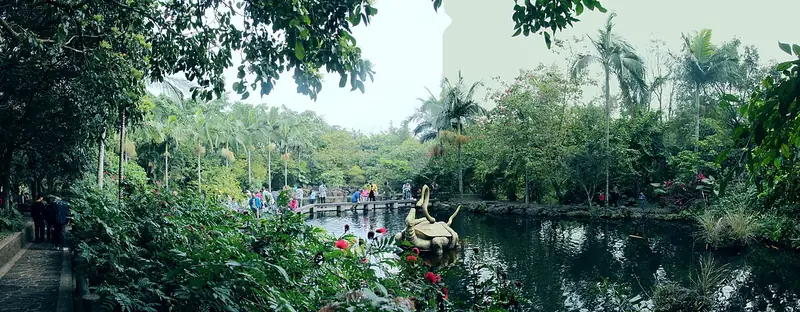
Photo adjustments
Full frame retained; EXIF orientation normalized, proportionally resized to at most 800 pixels and converted to WebP. No generated pixels or subject changes. Cards may crop the display.
About Haikou Volcanic Cluster Geopark
The Haikou volcanic cluster is the Hainan part of the wider Leiqiong UNESCO Global Geopark, whose volcanic landscapes extend across the Qiongzhou Strait. Near Haikou, the Mount Ma’an visitor area provides established paths through volcanic cones, lava features and tropical vegetation. A visit here is a close look at the island’s volcanic ground, rather than a journey to an active eruption.
UNESCO describes a region shaped by basaltic volcanism, with lava flows, tunnels and several forms of volcanic crater. The wider geopark also includes sites near Zhanjiang, so its total volcano count should not be confused with the number visible on a Haikou walking route. Local stone-built villages show another consequence of the geology: volcanic material became a practical building resource.
Start with the science interpretation and compare the shape of a cone with the rough texture of lava along the visitor route. Look for the relationship between dark rock, red soil and plant growth. A local village visit is a separate addition, and cave entrances should only be approached where managed visitor access is available.
What to look for
- Read the volcanic forms from the Mount Ma’an paths.
- Connect lava, soils, vegetation and local building materials.
Location & getting there
Getting to Haikou Volcanic Cluster Geopark
Search for 海口火山口 or 雷琼海口火山群地质公园. Choose the Haikou visitor entrance rather than another site in the cross-strait geopark, and follow the marked walking circuit.
- Use 雷琼海口火山群地质公园 with Hainan when searching for the visitor entrance.
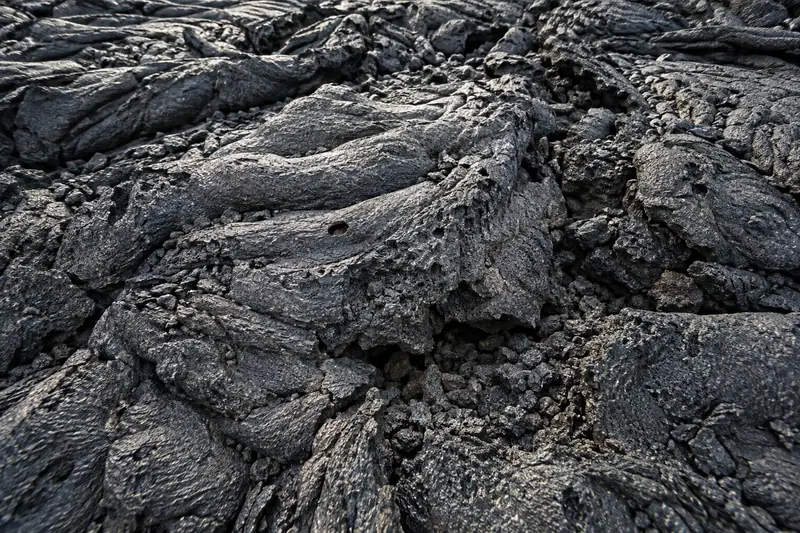
Find Haikou Volcanic Cluster Geopark
雷琼海口火山群地质公园 · 秀英区
No reliable map pin yet: search by the Chinese name.
Sources & visit information
Place identity, setting and described features checked against the linked institutional sources on 9 September 2026. Suggested observation and visiting sequences are editorial guidance. Current opening arrangements and access to individual interiors must be checked with the venue; this review adds no inferred map coordinates.