


Photo adjustments
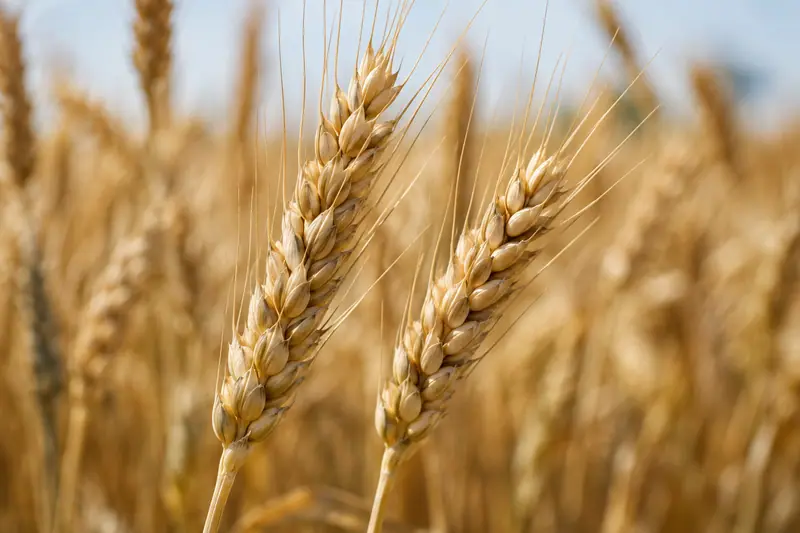
Full frame retained; proportionally resized and converted to WebP. No retouching or changes to the photographed subject. Card displays may crop the view.
Explore the region
About Northern Song Imperial Tombs
Nine emperors ruled the Northern Song. Huizong and Qinzong died in captivity in the north after the dynasty fell, and the other seven were buried here; with the Yong'an tomb of Zhao Hongyin, father of the dynastic founder, the group is known as the seven emperors' eight tombs. Consorts, princes and meritorious servants of the dynasty were buried around them, including officials as well known as Bao Zheng, Kou Zhun, Gao Huaide and Zhao Pu, bringing the total to nearly a thousand graves. The Zhengzhou municipal heritage bureau puts the tomb park at more than 30 square kilometres; the provincial culture and tourism department describes the wider zone as about 180 square kilometres. The State Council listed the tombs in the second batch of Major Historical and Cultural Sites Protected at the National Level in 1982.
Each imperial tomb was laid out to essentially the same plan, aligned north to south but rotated about six degrees to the east, with an upper palace, an empress's tomb, a lower palace and accompanying burials inside a precinct once enclosed by a hedge. What survives above ground is above all the statuary: the provincial department counts 1,027 stone carvings of all kinds, one of the most complete groups of ancient tomb sculpture in China, while the municipal bureau counted 941 in 2019. Because the tombs were never gathered behind one wall, many of the figures now stand in working wheat fields, which is why they are nicknamed locally the watchers over the wheat, and any visit means moving between separate places rather than through a single site.
What to look for
- The spirit-road sequence of an imperial tomb, which runs from paired stone pillars through elephants with their keepers, auspicious birds and jiaoduan beasts to horses with grooms, tigers, sheep, foreign envoys, civil and military officials, lions and armed guards.
- The repeated plan of the imperial precincts, each with an upper palace, an empress's tomb and a lower palace, and each turned about six degrees east of north.
- The stone figures standing in open wheat fields between the tomb mounds, the scene that gave rise to their local nickname.
- The tombs of Northern Song officials such as Bao Zheng, Kou Zhun, Gao Huaide and Zhao Pu, buried in the same cemetery as the emperors they served.
- The Yong'an tomb of Zhao Hongyin, the founder's father, the eighth tomb that completes the group known as the seven emperors' eight tombs.
Location & getting there
Getting to Northern Song Imperial Tombs
Check which interiors and courtyards are accessible. Active places of worship and protected monuments may have different visitor rules.
- Search for 北宋皇陵 with 郑州市 and 巩义市.
Find Northern Song Imperial Tombs
北宋皇陵 · 巩义市
No reliable map pin yet: search by the Chinese name.
Sources & visit information
The linked sources support the identity and background described in this introduction. Opening hours, admission, activity availability and exact arrival arrangements have not been comprehensively checked. Confirm current visitor information with the venue; the original catalogue locality and editorial review flag are retained.