

Photo adjustments
EXIF orientation normalized; resized without changing aspect ratio; converted to WebP. No subject edits.
Explore the region
About Yuwangting Museum
The mound is the heart of the site. Local tradition, repeated by the city government, holds that earth was piled up here so that Yu could watch the flood waters, and that texts described the mound as ten ren high and twice that across, which the city converts to about 18 metres; it came to be called Juqiushan. The city government also describes the site as a Longshan-culture site and a provincial-level key protected heritage unit, as well as a 3A-rated tourist area, a national research base for Dayu culture and a youth patriotic-education base.
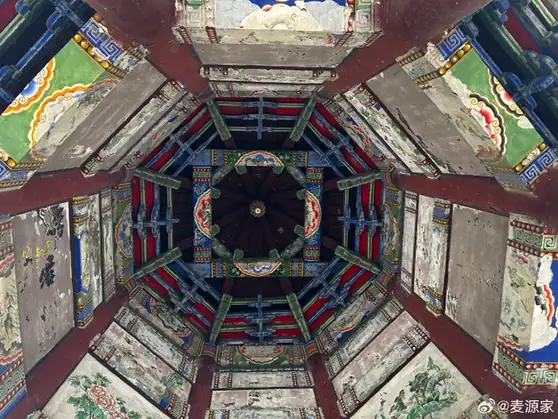
A pavilion stood on the mound for centuries. After Yucheng became a county a brick-and-timber pavilion called Yujiting was raised there to hold Yu's spirit tablet, and the magistrate and townspeople sacrificed at it at the start of spring and at the Double Ninth festival; between the Tang and the Yuan it was destroyed and rebuilt several times. In the fourth year of the Ming Tianqi reign local people built a larger hall on the site, and in the fiftieth year of the Kangxi reign the magistrate Zeng Jiugao raised funds to rebuild it and gave it the name Yuwangting, endowing forty mu of sacrificial land, writing a plaque reading 'divine merit through the ages' and composing a stele text; when he left office townspeople paid for a departure-memorial stele to stand inside. The pavilion was enlarged again in the second year of the Yongzheng reign and was demolished during the Cultural Revolution.
The present complex was begun by the municipal authorities in 1996 and opened in 1997, on a site of 136.5 mu, with the rebuilt pavilion placed on the north-east side of the mound. It is laid out as a south-facing walled courtyard holding the Yuwang main hall, east and west side halls and bell and drum towers, alongside the Juqiu mound, the pavilion and an artificial lake. The main hall covers more than 300 square metres, is five bays wide with double eaves and a nine-ridge xieshan roof, and measures 16.7 metres high, 25.4 metres long and 15 metres deep, with a seated figure of Yu about six metres high inside and attendant figures holding fans behind him.
What to look for
- Juqiushan, the earthen mound at the centre of the site, which the city government treats as a Longshan-culture site
- The Yuwang main hall, five bays wide with double eaves and a nine-ridge roof, holding a six-metre seated figure of Yu
- The paifang-style entrance gate carrying the characters for Yuwangting attributed to the Qianlong emperor
- The stele at the south end of the walkway recording the rebuilding of the pavilion, and the two donor steles opposite it
- The rebuilt Yuwang pavilion on the north-east side of the mound, with the bell tower, drum tower and stele corridor in the compound
Location & getting there
Getting to Yuwangting Museum
Confirm the venue or campus, reservation channel and exhibition calendar. A museum name may cover more than one building.
- Search for 禹王亭博物馆 with 德州市 and 禹城市.
Find Yuwangting Museum
禹王亭博物馆 · 禹城市
No reliable map pin yet: search by the Chinese name.
Sources & visit information
The linked sources support the identity and background described in this introduction. Opening hours, admission, activity availability and exact arrival arrangements have not been comprehensively checked. Confirm current visitor information with the venue; the original catalogue locality and editorial review flag are retained.