

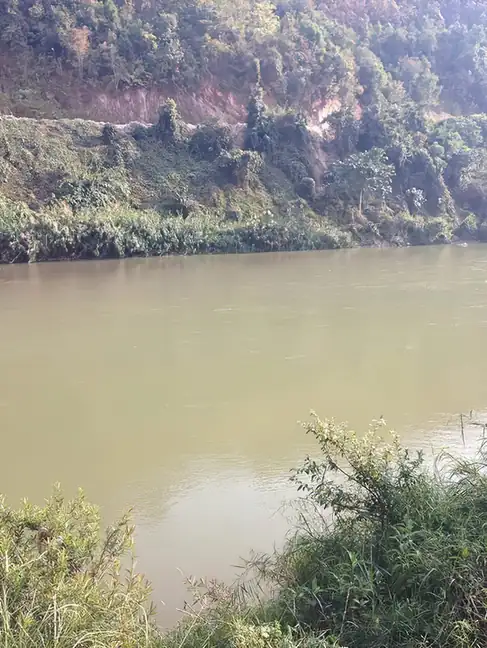
Photo adjustments
EXIF orientation normalized; resized without changing aspect ratio; converted to WebP. No subject edits.
Explore the region
About Mengjinglai Dai Village
According to Xinhua, the village name 'Jinglai' is Dai for 'the blessed land found while chasing a golden deer.' The village committee, working with an enterprise partner, has developed the site as a combined eco-agriculture, leisure-tourism, wellness and ethnic-culture complex under a 'village plus scenic area' model, including a lotus-and-rice-paddy estate; visitor areas are divided into a traditional Dai village protection zone, a pastoral-scenery zone and a tropical agriculture zone, with altered or aged buildings replaced by a unified traditional stilt-house style.
The site preserves more than ten traditional Dai crafts, including brocade weaving, papermaking, slow-wheel pottery, dyeing, sugar-making, bamboo crafts, brewing and blacksmithing, demonstrated for visitors alongside performances of the peacock dance and elephant-foot-drum dance. Described by Xinhua as a thousand-year-old settlement, it is a national 4A-grade tourist attraction with more than 20 honours, including 'China Dai Culture Protection and Inheritance Demonstration Base.'
What to look for
- the traditional Dai stilt-house village zone
- demonstrations of crafts such as brocade weaving, papermaking and slow-wheel pottery
- performances of the peacock dance and elephant-foot-drum dance
Location & getting there
Getting to Mengjinglai Dai Village
Identify the main visitor approach and any separately managed houses, museums or performances. Ask before entering residential spaces or photographing residents.
- Search for 勐景来 with 西双版纳傣族自治州 and 勐海县.

Find Mengjinglai Dai Village
勐景来 · 勐海县
No reliable map pin yet: search by the Chinese name.
Sources & visit information
The linked sources support the identity and background described in this introduction. Opening hours, admission, activity availability and exact arrival arrangements have not been comprehensively checked. Confirm current visitor information with the venue; the original catalogue locality and editorial review flag are retained.