

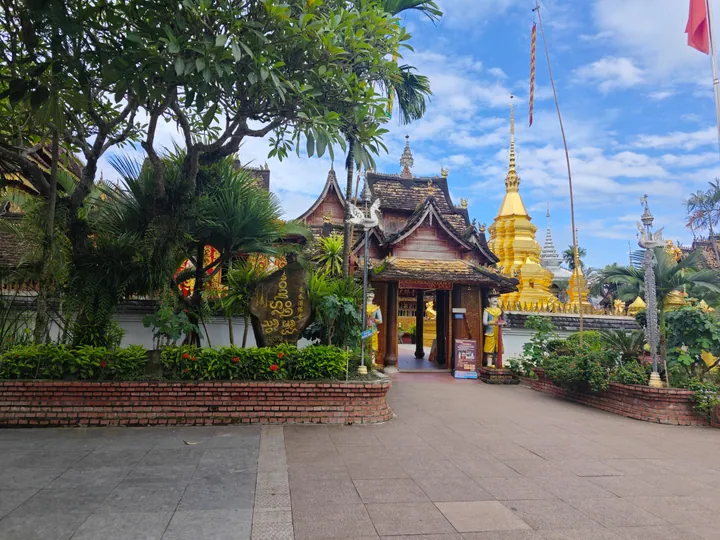
Photo adjustments
Full frame retained; proportionally resized and converted to WebP. No retouching or changes to the photographed subject. Card displays may crop the view.
Explore the region
About Dai Ethnic Garden
According to CCTV, the park comprises five traditional Dai villages – Manjiang, Manchunman, Manting, Manzha and Manga – with the two largest villages' names meaning 'garden village' and 'palace garden village'. CCTV describes the park as bringing together displays of Dai history, culture, religion, sport, architecture, customs, dress, food and livelihoods.
What to look for
- the five traditional Dai villages: Manjiang, Manchunman, Manting, Manzha and Manga
- displays of Dai architecture, dress and customs across the villages
Location & getting there
Getting to Dai Ethnic Garden
Identify the main visitor approach and any separately managed houses, museums or performances. Ask before entering residential spaces or photographing residents.
- Search for 傣族园 with 西双版纳傣族自治州 and 景洪市.
Find Dai Ethnic Garden
傣族园 · 景洪市
No reliable map pin yet: search by the Chinese name.
Sources & visit information
The linked sources support the identity and background described in this introduction. Opening hours, admission, activity availability and exact arrival arrangements have not been comprehensively checked. Confirm current visitor information with the venue; the original catalogue locality and editorial review flag are retained.