

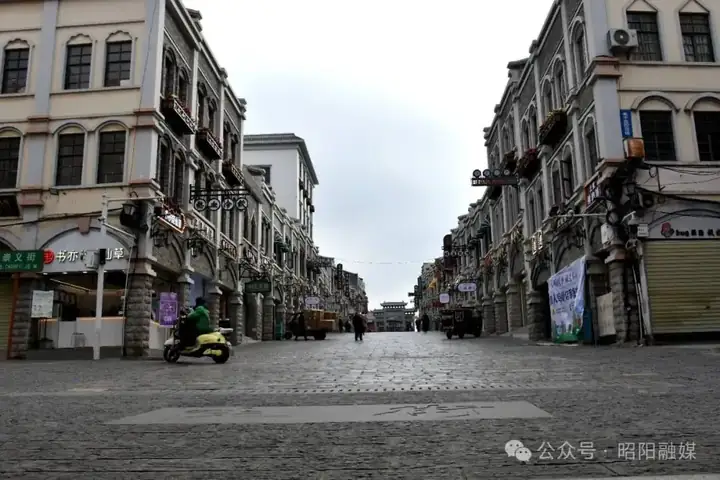
Photo adjustments
EXIF orientation normalized; resized without changing aspect ratio; converted to WebP. No subject edits.
Explore the region
About Zhaotong Ancient City
Zhaotong was known anciently as Zhuti and Wumeng, with over 2,100 years of urban history since Emperor Wu of Han established Zhuti county there in 135 BCE; the Qin-dynasty Five-Foot Road and the Han-dynasty Southern Yi Road made it a corridor for Central Plains culture entering Yunnan and an important commercial town on the southern Silk Road, and the Han-Jin era Zhuti culture that grew up here made Zhaotong, in the People's Daily report's words, one of Yunnan's three major cultural cradles. The old city itself has 56 surviving streets and lanes, 44 cultural relics protection units and 44 historic buildings, with more than 60 further buildings proposed for listing, and 19 items of intangible cultural heritage. Since 2024 the city has carried out 74 key projects including relic restoration, block renovation and infrastructure upgrades toward historic-city status, with total investment of 2.087 billion yuan; among the restored sites reopened under that programme the Zhaxi Meeting site now uses VR technology to recreate revolutionary history, and the former residence of Jiang Liangfu has been developed as a base for classical studies and patriotic education.
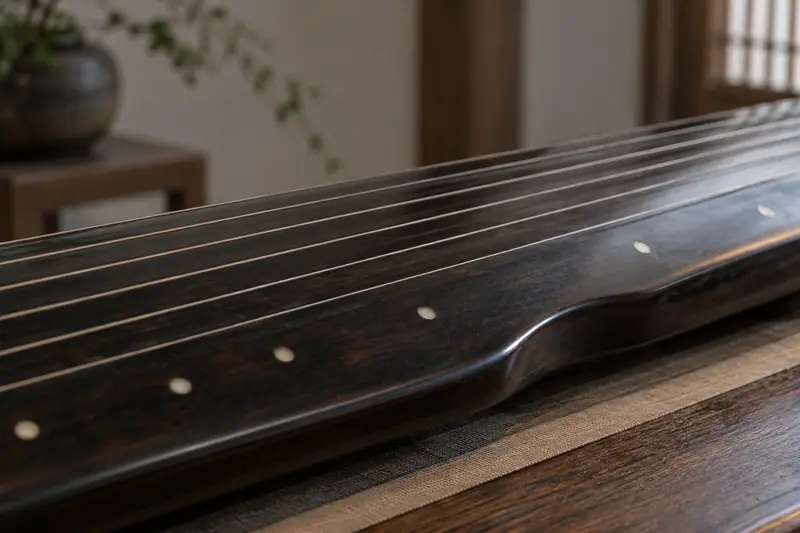
Within the old city, guides describe it as the 'Capital of Guild Halls' for mansions including the Chi Family Courtyard, the Guangdong Guild Hall, the Shaanxi Guild Hall and the Li Family Ancestral Hall, each hosting evening activities such as tea and performances, hanfu tea ceremony, chess and guqin playing; Steep Street (Dou Jie) and Water-Carrying Lane are named among its historic thoroughfares, and the locally originated courtyard drama 'A Shoulder Pole' performs regularly. Unlike some more heavily commercialised old towns, some 19,000 households and 52,000 residents still live within it, and Zhaotong has studied renovation approaches from places including Fuzhou, Lijiang and Jianshui, applying a pilot-then-expand method that keeps original residents as the old city's guardians and beneficiaries.
What to look for
- Steep Street (Dou Jie), one of the old city's named historic thoroughfares.
- The Guangdong Guild Hall and the Shaanxi Guild Hall, mansions behind the old city's 'Capital of Guild Halls' description.
- The Chi Family Courtyard and the Li Family Ancestral Hall, further named guild-hall mansions.
- The former residence of the scholar Jiang Liangfu, developed as a classical-studies and patriotic-education base.
- The courtyard drama 'A Shoulder Pole', a locally originated production performed regularly in the old city.
Location & getting there
Getting to Zhaotong Ancient City
Identify the main visitor approach and any separately managed houses, museums or performances. Ask before entering residential spaces or photographing residents.
- Search for 昭通古城 with 昭通市 and 昭阳区.
Find Zhaotong Ancient City
昭通古城 · 昭阳区
No reliable map pin yet: search by the Chinese name.
Sources & visit information
The linked sources support the identity and background described in this introduction. Opening hours, admission, activity availability and exact arrival arrangements have not been comprehensively checked. Confirm current visitor information with the venue; the original catalogue locality and editorial review flag are retained.