

Jieyang Ping-Pong Rice Cakes 揭阳乒乓粿
Jieyang Ping-Pong Rice Cakes is featured among the local specialties of Guangdong.
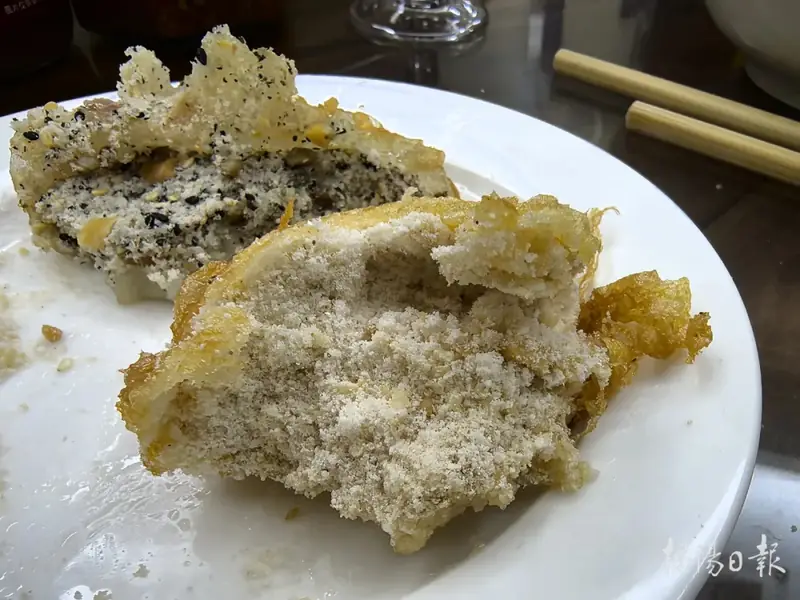
Photo adjustments
EXIF orientation normalized; resized without changing aspect ratio; converted to WebP. No subject edits.
Jieyang Ping-Pong Rice Cakes (揭阳乒乓粿) are filled glutinous-rice cakes from Jieyang (揭阳), Guangdong, named for the popping sound the grain for their filling makes as it is roasted.
How it is made
The filling is built on binpei fu (槟醅麸), a meal made from unhulled glutinous rice. The grain is sealed in an iron can and roasted again and again until it swells and bursts, then sieved to remove the husks and crushed into a coarse meal.
For the skin, glutinous rice flour is kneaded with a little peanut oil and white sugar, steamed, and rolled into thin rounds. Each round is filled with the roasted meal, white sugar, sesame, peanuts, orange cake (橙糕) and fried shallot oil (葱珠油), pinched into a flattened round, set on a piece of bean-curd skin (腐膜) and steamed.
Flavour and texture
The Rongcheng district culture and tourism bureau sums the cake up as a soft skin around a fragrant, crisp, sweet filling. After steaming the skin turns semi-translucent, and the roasted meal and sesame show faintly through it; the steamed cake is eaten hot or cold.
The same bureau calls the fried version the tastiest: the cake is dipped in beaten egg, fried golden in oil and eaten straight from the pan. The thin skin turns crisp and smells strongly of egg, while the filling is sweet and powdery, carries the scent of roasted grain and melts in the mouth, with bits of peanut and sesame giving it texture.
Where it comes from
The cake, also called binpei kueh (槟醅粿), developed from shuqu kueh (鼠曲粿), an old Jieyang snack in which cudweed (鼠曲草) is mixed into glutinous rice flour to make a wrapper that is filled and steamed. Its name comes from the roasting: the grain makes a popping noise close to 'pingpang' (乒乓), and in the Jieyang dialect 'binpei' sounds the same as 'pingpang', so the cake came to be known as ping-pong kueh.
Questions before you order
Why are Jieyang Ping-Pong Rice Cakes named after ping-pong?
The grain for the filling is roasted in a sealed iron can until it bursts, with a popping noise close to 'pingpang'. The meal it makes is called binpei fu, and in the Jieyang dialect 'binpei' sounds the same as 'pingpang'.
Sources & reading
Written from the linked sources and checked sentence by sentence against quoted extracts by a separate reviewer on 2026-09-24. Recipes and servings vary between kitchens.