

Qiaojia Brown Sugar Glutinous Rice Cakes 巧家小碗红糖糍粑
Qiaojia Brown Sugar Glutinous Rice Cakes is featured among the local specialties of Yunnan.
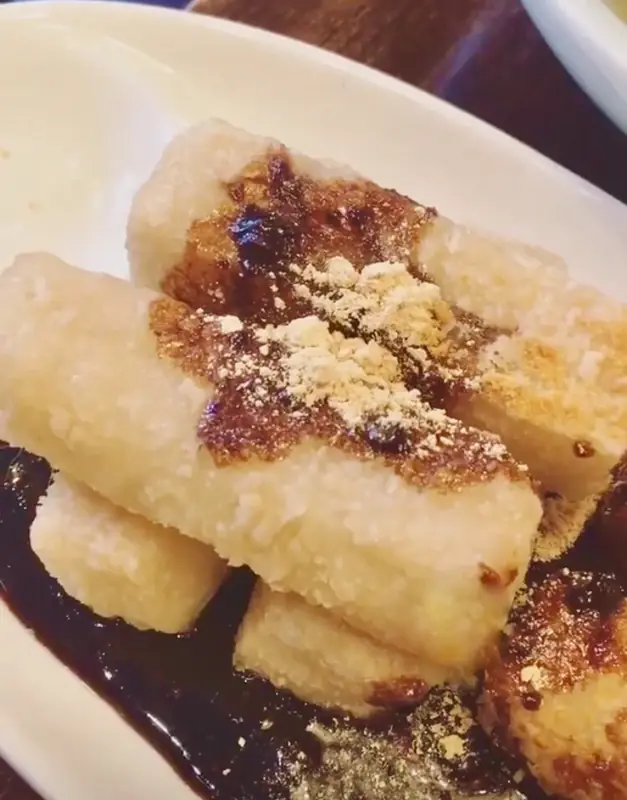

Photo adjustments
Full frame retained; EXIF orientation normalized, proportionally resized to at most 800 pixels and converted to WebP. No generated pixels or subject changes. Cards may crop the display.
Qiaojia Brown Sugar Glutinous Rice Cakes (巧家小碗红糖糍粑) pairs 糍粑, cakes of pounded glutinous rice, with the small-bowl brown sugar made along the Jinsha River in Qiaojia county, Zhaotong.
One craft on each side of the dish
糍粑 begins with glutinous rice steamed and then pounded until the grains bind into a smooth, elastic mass, which is shaped into rounds. In Zhaotong, pounding the rice is demonstrated as a heritage craft that visitors can try.
The sugar is the region's own product. Cane grown on the banks of the Jinsha River in Qiaojia county is boiled down by traditional methods into brown sugar, which local writing calls 碗碗糖 and lists as Yunnan intangible cultural heritage.
Chewy rice cakes, deep cane sugar
Good 糍粑 are soft, chewy and almost neutral in flavour, which is why they take on whatever they are served with. The sugar supplies the rest: a dark cane sweetness with a molasses edge rather than the flat sweetness of white sugar.
Because the sugar is boiled down rather than refined white, it keeps a fuller, slightly smoky taste. Warm cakes against warm syrup is the usual contrast, and a sprinkling of sesame appears in some versions.
Where the sugar comes from
Qiaojia sits on the Jinsha River in Zhaotong's dry, warm river valley, the part of the prefecture where cane will grow. Sugar-making there is old enough to be treated as local identity, and the county's writing gives it the nickname 东方巧克力.
The sugar is pressed into small blocks for sale, which is where the 小碗 name comes from, and the craft is practised by licensed workshops as well as smaller producers. Zhaotong's tourism office promotes both sugar-making and rice-pounding as craft experiences rather than only as food.
Ingredients and dietary notes
The dish is built on two ingredients: glutinous rice and cane brown sugar. Some versions add sesame, peanuts or soybean flour, and some kitchens fry the cakes before pouring the syrup over them.
Glutinous rice is naturally sticky and is not the same as the long-grain rice served with meals, so a small portion goes a long way. If you are avoiding nuts, ask before ordering, since peanut and sesame coatings are common in Yunnan sweet snacks.
How to order
Ask for 巧家小碗红糖糍粑 (qiǎojiā xiǎowǎn hóngtáng cíbā), or simply 红糖糍粑 in Zhaotong. It is a snack or dessert rather than a main dish, sold by the portion at markets and sweet shops.
The sugar is also sold on its own in blocks, which makes a practical souvenir. If you are buying for the table, ask how many cakes come in a portion, because the size of 糍粑 varies from small coins to thick rounds.
How to eat it
糍粑 are eaten warm, when they are soft enough to pull apart. Once cold they stiffen, and they are usually reheated by steaming or frying rather than eaten as they are.
Serve them at the end of a meal or with plain tea in the afternoon; the sugar is rich enough that one or two pieces per person is a normal portion. In Zhaotong they also appear at festivals and family gatherings alongside other sticky-rice sweets.
More dishes to compare
Explore related local specialties and compare their names, preparation notes and ordering guidance.
Yuanjiang Mango Sticky Rice 元江芒果糯米饭 →
元江芒果糯米饭 pairs glutinous rice with mango from the hot Yuanjiang valley. 巧家小碗红糖糍粑 uses the same sticky rice in a pounded, chewy form and sweetens it with cane sugar boiled down on the Jinsha River, so the two dishes are a useful comparison between Yunnan's fruit-based and sugar-based sticky-rice sweets.
Questions before you order
What is 小碗红糖?
It is brown sugar boiled from cane grown along the Jinsha River in Qiaojia county, Zhaotong, sold in small blocks and locally nicknamed 碗碗糖.
Is 糍粑 the same as rice?
It is made from glutinous rice that has been steamed and pounded into a chewy mass and shaped into cakes, so it is served as a snack or dessert rather than as a bowl of rice.
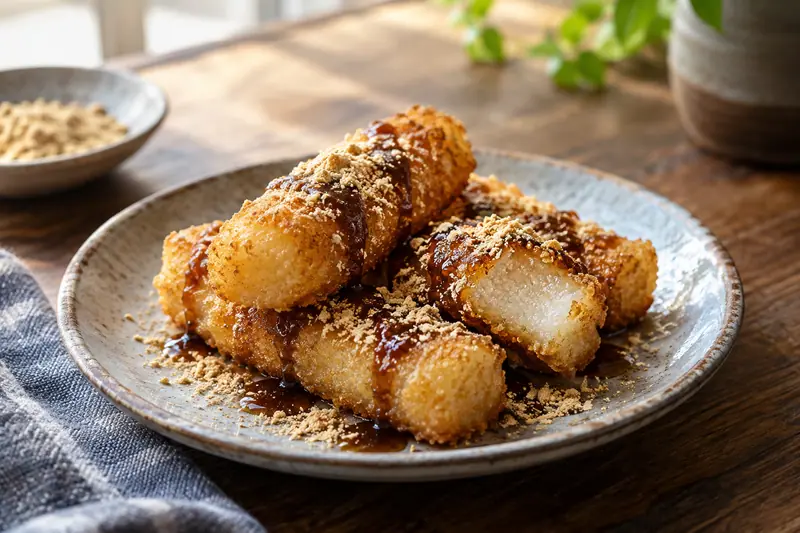
Sources & reading
The supplied food list supports this name and regional association. The culinary terms below are explained as menu vocabulary; a local recipe, origin story and venue availability have not been independently verified.