

Hot-Sliced Beef 热切牛肉
Hot-Sliced Beef is featured among the local specialties of Ningxia.
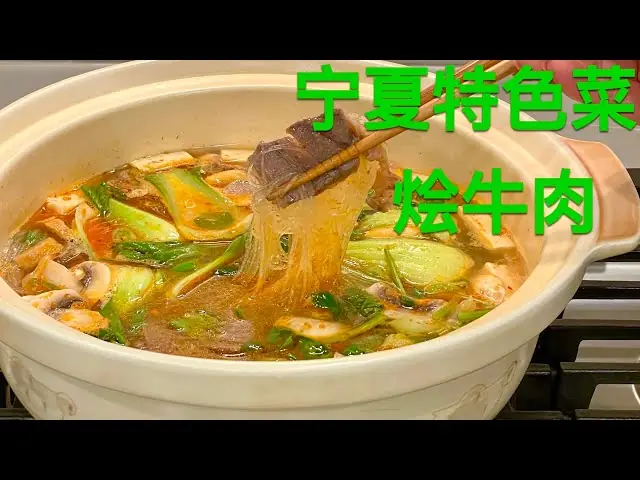
Photo adjustments
EXIF orientation normalized; resized without changing aspect ratio; converted to WebP. No subject edits.
Hot-Sliced Beef (热切牛肉) is a Ningxia plate named for temperature and knife work: 热 means hot and 切 means sliced, so the beef is cut from a cooked piece and sent out warm.
How it is made
A piece of beef is cooked until it is tender through, rested and then carved into slices to order. The resting is not optional: meat cut while it is still tense crumbles instead of slicing, which is why warm-sliced beef is a test of timing rather than of seasoning.
Ask 怎么做的 (how is it cooked) and 用什么部位 (which cut is used), because braised shank, boiled brisket and roasted rib all arrive as warm slices under the same name but eat quite differently.
Flavour and texture
Expect a clean beef flavour with soft fat and a fine-grained bite, milder than a braise and richer than cold deli slices. Because the meat is warm, the flavour opens up as the plate sits — take a slice at the start and another after a few minutes and the difference is clear.
Local roots and menu reading
This is a serving instruction rather than a recipe, and it tells you what to judge: meat sliced off a cooked piece and sent out warm has no sauce to sit behind, so the cut and the timing are the whole dish.
Ask which cut is used and whether it arrives on its own or with a dip, and taste a piece before adding anything — the point of the plate is that it needs very little.
Ingredients and dietary needs
Beef, salt and a simple dip are the minimum, with chilli oil, vinegar, garlic or a soy-based sauce offered at the table. Ask 有辣椒吗 (is there chilli) and 蘸料是什么 (what is the dip) so that you know what you are adding, since the meat itself is lightly seasoned.
How to order Hot-Sliced Beef
Show 热切牛肉 and ask 是按重量算吗 (is it priced by weight) and 大盘还是小盘 (large or small plate). If you would rather season it yourself, ask 蘸料分开, and if you want lean slices, ask 瘦一点 before the meat is cut.
How to eat it and plan a meal
Eat the slices while they are warm and dip each one lightly, since the point is the meat rather than the sauce. It works as an opening plate at a shared table, with a cold vegetable and a bowl of soup around it; keep it away from a long conversation, because cold sliced beef loses most of what makes it worth ordering.
More dishes to compare
Explore related local specialties and compare their names, preparation notes and ordering guidance.
Ningxia hand-served lamb 手抓羊肉 →
Ningxia hand-served lamb (手抓羊肉) arrives on the bone and is eaten by hand, with salt or a simple dip alongside, so the diner deals with fat and connective tissue directly. 热切牛肉 removes that work: the meat is cooked, rested and carved into slices that are served warm, which makes it milder and tidier at the table but less about the cut's own character.
Questions before you order
What does 热切 mean exactly?
It means sliced and served hot: the beef is cooked first, then cut to order and brought out while the meat is still warm, which keeps the fat soft and the fibres relaxed. Cold sliced beef is a different plate in everything but the name.
Which cut is used?
The name does not say, so ask 用什么部位. Braised shank, boiled brisket and roasted rib all appear as warm slices, and each gives a different ratio of lean meat to fat.
Sources & reading
The supplied food list supports this name and regional association. The culinary terms below are explained as menu vocabulary; a local recipe, origin story and venue availability have not been independently verified.