

Donggang Bluefin Tuna 东港黑鲔鱼
Donggang Bluefin Tuna is featured among the local specialties of Taiwan.
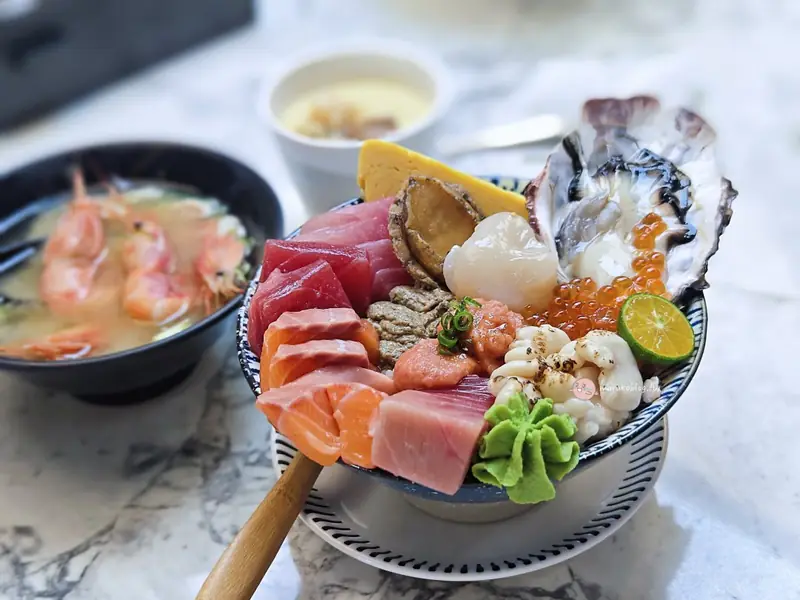
Image notes
Resized for the web; the photo itself has not been edited.
Donggang Bluefin Tuna (东港黑鲔鱼) is Pacific bluefin tuna landed at Donggang Fishing Harbour (東港漁港) in Donggang township (東港鎮), Pingtung County (屏東縣). Chinese Wikipedia describes Donggang fishing harbour as Taiwan's largest bluefin tuna producing area, and the fish is one of the town's three local treasures (東港三寶), with sakura shrimp (櫻花蝦) and oilfish roe (油魚子).
Where it comes from
Central News Agency (中央社) reports that bluefin migration into Taiwanese waters peaks from April to June. Donggang's catch was long exported mostly to Japan; after the 1997 Asian financial crisis cut exports, the Pingtung County Cultural Affairs Bureau began the Pingtung Bluefin Tuna Cultural Tourism Festival (屏東黑鮪魚文化觀光季) in Donggang in 2001, held each May and June. The season opens with the auction of the "first tuna" (第一鮪). Since 2004 that fish must be caught live in Taiwan's near-shore waters by a boat registered in the Kaohsiung–Pingtung area, weigh at least 180 kg, be reported to the Donggang fisheries radio station and be the first to reach Donggang harbour.
Chinese Wikipedia's article on the festival records the bluefin catch falling from 6,886 fish in 2001 to 439 in 2012. The Fisheries Agency (漁業署) introduced management rules in 2010 and 2017, with permits, catch reporting, catch limits and fish tagging, and says international cooperation and management brought Taiwan's catch back to 2,262 tonnes in 2024.
How it is eaten
Bluefin is billed as the "wagyu of the sea" (海中和牛), and the Fisheries Agency says its sweet flesh is eaten differently cut by cut. The belly's "golden triangle" (大腹黃金三角), densely marbled and melting in the mouth, is the first choice for top-grade sashimi. The lean back meat also suits pan-frying or stir-frying. The jaw and cheek meat suit pan-frying and grilling, the tender meat next to the bone goes on rice bowls or sushi, and the firm tail meat is fried, stewed or deep-fried. Trimmings are made into fish floss and canned products.
Sources & reading
Written from the linked sources and fact-checked against them on 2026-09-25. Recipes and servings vary between kitchens.