

Yongji Beef Dumplings 永济牛肉饺子
Yongji Beef Dumplings is featured among the local specialties of Shanxi.
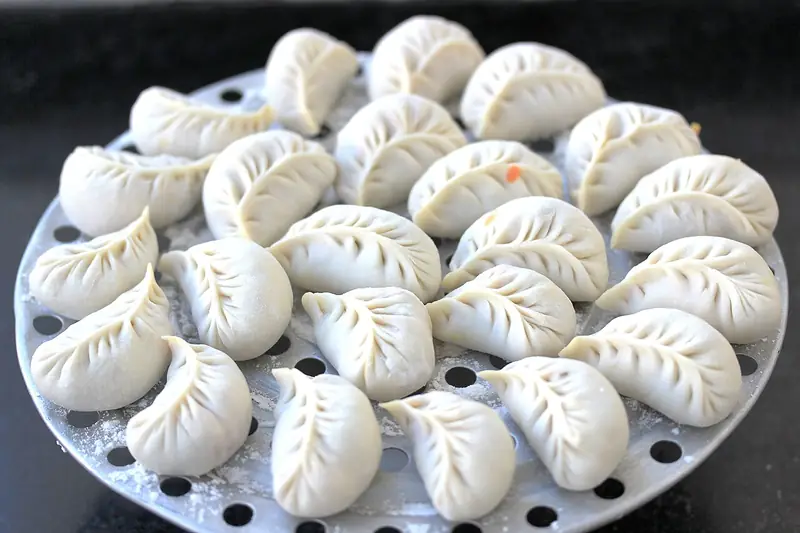

Photo adjustments
Full frame retained; EXIF orientation normalized, proportionally resized to at most 800 pixels and converted to WebP. No generated pixels or subject changes. Cards may crop the display.
Yongji Beef Dumplings (永济牛肉饺子) is the beef dumpling of Yongji in Yuncheng, south Shanxi, described locally for thin skins and a tender filling that survives a long boil.
How it is made
The wrapper is rolled thin, which is what gives the dumpling its delicate surface, and the filling is beaten and mixed rather than simply combined — the city page says outright that the ingredients used and the way the filling is worked are what make this dumpling different from other beef dumplings. That preparation is aimed at a filling that stays tender and holds together under heat, because the test the local description sets is long boiling without the skin splitting.
Nothing in the published account fixes the recipe, so the proportion of beef to aromatics, the amount of liquid beaten into the filling, and the fineness of the mince are all kitchen decisions. If you want to understand the version in front of you, ask how the filling is made rather than assuming a standard.
Flavour and texture
The description is built on contrasts: a thin skin around a tender filling, a flavour strong enough to be called remarkable, and beef that tastes rich without turning greasy. Those are not easy things to hold together in a boiled dumpling, because the wrapper has to stay intact while the filling remains loose enough to be tender. Texture is the reason the folding matters: a beef filling that has been worked properly bites cleanly instead of crumbling, and the skin gives way before the filling does.
Where the name comes from
永济 is a county-level city in the south-west of Yuncheng, on the Shanxi side of the Yellow River bend, and the name in front of 牛肉饺子 marks the city's own beef version rather than a generic dumpling. The dish is carried by the Yuncheng culture and tourism authorities as a local food item, which is how it appears alongside the city's other named specialities. The local saying recorded with it — that dumplings with drink go together — is a hint about how it is eaten: not only as a meal, but as the plate in the middle of the table.
Ingredients and dietary checks
The wrapper is wheat, so this is not a gluten-free dish, and the filling is beef, so it is unsuitable for anyone avoiding red meat. Beyond that, ask about what is mixed into the filling: 有葱吗 (is there scallion), 有姜吗 (ginger), and 有香菜吗 (coriander), because aromatics in a beef filling are strong and not always listed. Soy sauce and sesame oil are common in dumpling fillings, so ask 有酱油吗 and 有香油吗 if either matters, and ask about the dipping sauce, which may contain vinegar, chilli or garlic.
How to order it
Dumplings are ordered by portion, so ask 一两多少 (how many per order) or 一份几个 (how many in one portion) and then 牛肉的吗 (is this the beef one). Useful lines are 水饺 (boiled dumplings) to confirm the style, 打包 (to take away), and 醋 and 蒜 for vinegar and garlic. If you want them served with broth rather than dry, ask 带汤吗 (does it come with broth) before the order goes in.
How to eat it and plan a meal
Dip each dumpling in vinegar and, if you like, garlic, and eat it in one or two bites so the filling stays hot. A portion of ten or so is a meal for one person and a shared plate for two, and it works well with a cold vegetable dish alongside. If the shop serves the cooking water as a drink, 饺子汤 is the phrase to ask for; many people take it at the end of the meal rather than with the dumplings.
More dishes to compare
Explore related local specialties and compare their names, preparation notes and ordering guidance.
Beef with Hollow Steamed Buns 牛肉窝窝头 →
Beef with Hollow Steamed Buns (牛肉窝窝头) pairs beef with a steamed corn-flour bun, so the grain is coarse and the eating is dry and hand-held. 永济牛肉饺子 wraps beef in a thin wheat skin and boils it, which makes the texture softer and the flavour more contained.
Questions before you order
What is special about the Yongji beef dumpling?
The local tourism page says the ingredients and the way the filling is mixed are what set it apart, and describes the result as thin-skinned, tender and able to survive long boiling without breaking.
Are they eaten as a meal or as a side?
Both. The source calls them a staple that can also serve as a dish to eat with drink, and the local saying about dumplings and alcohol reflects that second role.
Sources & reading
The supplied food list supports this name and regional association. The culinary terms below are explained as menu vocabulary; a local recipe, origin story and venue availability have not been independently verified.