

Explore the region
About Baochan Mountain Huayang Cave
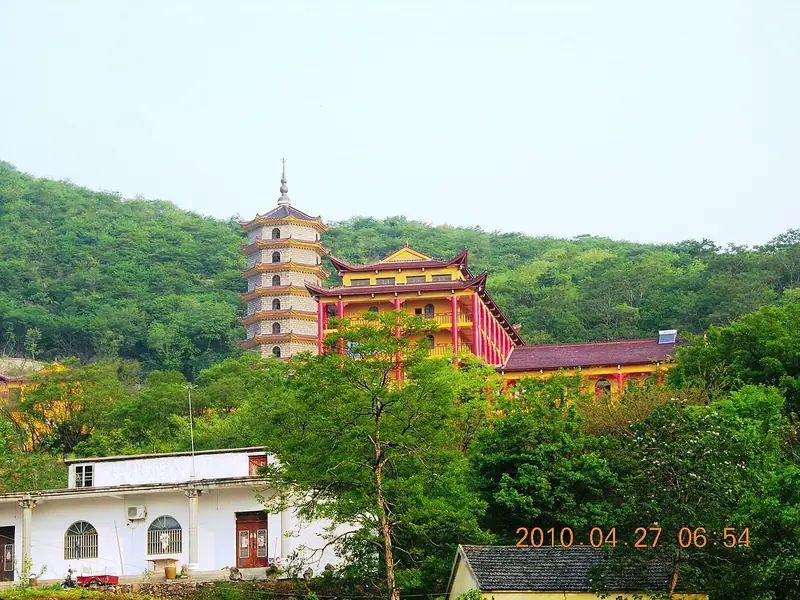
The mountain was formerly called Hua Shan; its later name recalls the Tang monk Huibao. Wang Anshi’s Record of a Visit to Baochan Mountain made a journey into Huayang Cave part of Chinese literary history. The associated Baochan Temple stands against the hillside, with an entrance arch marking Huibao’s religious site.
Inside the cave, connected cavities and a subterranean river frame the rock formations. Their descriptive names invite close observation: Peacock Spreading Its Tail evokes a fanned tail, while Banqiao Bamboo Painting refers to a bamboo-like pattern in the rock.
What to look for
- The underground river and stalactite formations in Huayang Cave.
- The Peacock Spreading Its Tail and Banqiao Bamboo Painting rock displays.
- Baochan Temple and the arch naming Huibao’s religious site.
Location & getting there
Getting to Baochan Mountain Huayang Cave
Use an authorised visitor route. Cave sections, geological sites and access roads can close independently, so confirm the area that your ticket covers.
- Search for 褒禅山华阳洞 with 马鞍山市 and 含山县.
Find Baochan Mountain Huayang Cave
褒禅山华阳洞 · 含山县
No reliable map pin yet: search by the Chinese name.
Sources & visit information
The linked sources support the identity and background described in this introduction. Opening hours, admission, activity availability and exact arrival arrangements have not been comprehensively checked. Confirm current visitor information with the venue; the original catalogue locality and editorial review flag are retained.
Image credits & notes (1)
- Baochan Mountain Huayang Cave (褒禅山华阳洞), Hanshan County. Photograph: "巢湖市含山县华阳洞景区-褒禅山寺 - panoramio".Photo: luchangjiang~鲁昌江 · CC BY-SA 3.0Resized for the web; the photo itself has not been edited. Thumbnails may show a cropped view.
