

Sand Worm Congee 沙虫粥
Sand Worm Congee is featured among the local specialties of Guangxi.
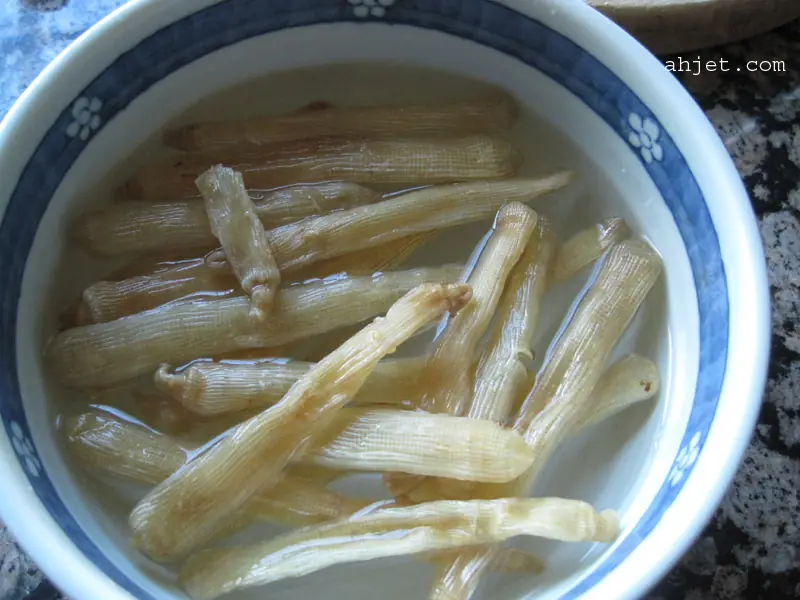
Image notes
Resized for the web; the photo itself has not been edited.
Sand Worm Congee (沙虫粥) is rice congee cooked with sand worms, the peanut worm Sipunculus nudus (方格星虫), dug from the sandy tidal flats of the Beibu Gulf (北部湾) coast around Beihai (北海), Guangxi. China National Radio, reporting from a Beihai fishing village, found that local people regard the sand worm as the food that best represents local flavour.
Where it comes from
In Yutang village (玉塘村), a Beihai fishing village of just over six hundred people, most households live from digging sand worms. Each family has its own fixed patch of beach, and the worms lie from a few tens of centimetres to a metre down in the sand. When China National Radio visited in 2016, a villager served her guests a pot of sand worm congee, saying a few worms beat anything else in a meal. The worms are prized for flesh that is crisp and tender. A Zhanjiang Daily writer names Hepu (合浦), Beihai, Qinzhou (钦州), Fangchenggang (防城港) and the Leizhou (雷州) coast as the home ground of the best sand worms.
How it is made
Guangxi's local-chronicles office describes the version made along the Guangxi coast at Fangchenggang, which uses dried sand worms. The worms are cleaned first: the small tail at one end is pinched off and the inside rubbed to wash out the sand. They are then passed through hot oil in a pan until fragrant and lightly browned, and the fried worms are soaked in water for about five minutes and lifted out. Finally the worms go into the pot with lean pork and rice, and spring onion and other seasoning are added when the congee is nearly done. The result has a strong fresh seafood flavour.
Sources & reading
Written from the linked sources and fact-checked against them on 2026-09-26. Recipes and servings vary between kitchens.