

Crispy Fried Pork 酥肉
Crispy Fried Pork is featured among the local specialties of Guangxi.
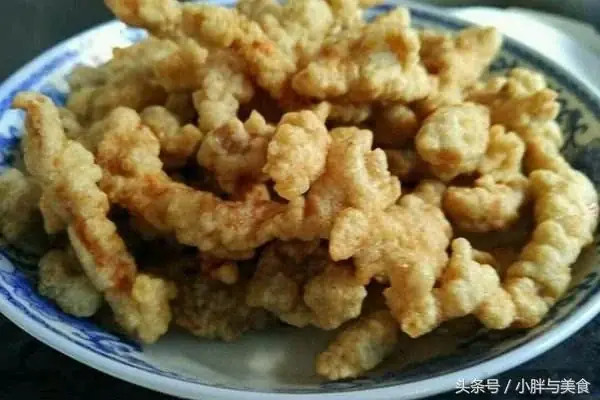
Photo adjustments
EXIF orientation normalized; resized without changing aspect ratio; converted to WebP. No subject edits.
Crispy Fried Pork (酥肉) in Yulin (玉林), Guangxi, is sliced pork that is marinated, coated in starch or rice flour and deep-fried until golden. In Yulin it is served as suroudidou (酥肉地豆), crispy pork laid over fried peanuts, and Yulin Daily (玉林日报) calls it the dish no banquet or meal for guests in the city or the countryside goes without.
How it is made
Yang Tong'an (杨同安), head of the Yuzhou District (玉州区) cooking association, told Yulin Daily that marinating and frying are the two steps that matter. The method is close to that of ordinary fried pork, but Crispy Fried Pork usually uses lean pork collar (梅头瘦) rather than the belly (五花腩) chosen for fried pork. The pork is sliced and marinated for several hours with salt, pepper and five-spice powder, then coated in starch or rice flour and lowered into the oil. If the oil is too cool the slices soak up fat and turn greasy; if it is too hot they burn outside and stay raw within. The slices are fried slowly to set, then fried again to crisp them.
The peanuts are fried fully under the oil so they cook evenly, and taken out when golden: too long and they harden, darken and can scorch and turn bitter, too short and they stay half-raw and soft.
Flavour and texture
Yulin has a long-settled test for good crispy pork: just out of the pan, the crust should crack audibly at the first bite, and inside the meat should be tender, salty and well seasoned without being dry. Against the pork's richness the peanuts add sweetness and crunch.
How it is eaten
The fried peanuts go on the plate first and the pork is arranged over them. Because it goes especially well with liquor, the dish turns up at festivals, at wedding and funeral banquets, and as a snack in the slack farming season.
Where it comes from
Yulin Daily traces the dish to the late Qing dynasty, when it was already widespread among ordinary people in Yulin. The paper ties its appearance to peanuts grown on a large scale in Lingnan (岭南) in the Qing, to Yulin's place on the water and land routes of southeast Guangxi, where a frying technique called zhasu (炸酥) arrived from the Central Plains, and to the pigs Yulin farming families have long raised.

Sources & reading
Written from the linked sources and checked sentence by sentence against quoted extracts by a separate reviewer on 2026-09-26. Recipes and servings vary between kitchens.