

Yuzhou Thirteen-Bowl Banquet 禹州十三碗
Yuzhou Thirteen-Bowl Banquet is featured among the local specialties of Henan.
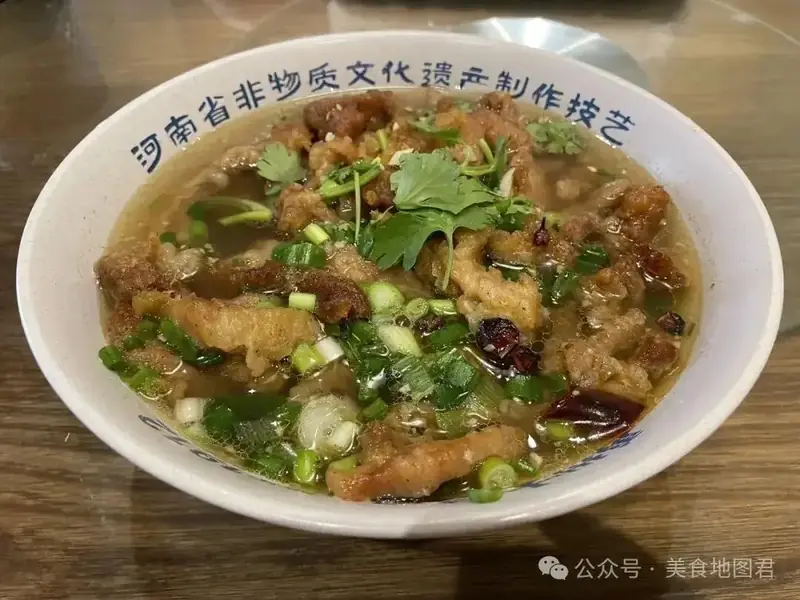
Image notes
Resized for the web; the photo itself has not been edited.
Yuzhou Thirteen-Bowl Banquet (禹州十三碗) is a set banquet from the hills of western Yuzhou (禹州), a city under Xuchang (许昌), Henan. The Luohe Daily lists it as a provincial-level intangible heritage item in the traditional-craft category, made up of four meat and four vegetable hot dishes, one sweet dish, one cold dish, one sweet soup and two savoury soups: thirteen bowls in all.
Ingredients
According to the Xuchang Intangible Cultural Heritage Protection Centre (许昌市非物质文化遗产保护中心), the main ingredients are pork and tofu, with menzi (焖子, a steamed starch loaf) and sweet-potato noodles as supporting ingredients. Farm households traditionally slaughtered a pig they had raised themselves for a wedding, ground a basket of tofu from their own beans and added noodles made from sweet-potato starch grown on the slopes of western Yuzhou, then invited a well-known village cook from nearby to prepare the meal.
How it is made
The Luohe Daily places the banquet among Henan's kouwan (扣碗, steamed bowl) dishes, alongside the Ruzhou Eight Bowls (汝州八大碗) and the Sanmenxia Ten-Bowl Banquet (三门峡十碗席). The local pork, sweet-potato noodles and tofu are first fried or boiled and then steamed.
Where it comes from
The Xuchang heritage centre dates the banquet back more than 500 years and says that since the Ming dynasty it has been an essential part of big celebration feasts in western Yuzhou, served by rich and poor alike. The number thirteen carries the sense of "a whole lifetime" (一生).
Henan Economic News (河南经济报) recounts a local legend that the banquet began in 1539, when the Jiajing emperor is said to have toured Yuzhou and praised the village cooks' thirteen bowls. The same report records that the first restaurant in Yuzhou named after the thirteen bowls opened in 1912, that the banquet entered the Xuchang municipal heritage list in 2013 and the Henan provincial list in 2021.
How it is eaten
The banquet appears at weddings, birthday celebrations, the birth of a child and festivals, and locals now also use it to host relatives and visitors from out of town. Henan Economic News lists the symbolism of several bowls: chicken first for good fortune, fish second for surplus every year, pork skin third for prosperity, golden-edged tofu (金边豆腐) for a hall full of gold and jade, a meatball soup for family reunion, and a final egg soup to show that the feast is complete.
Sources & reading
Written from the linked sources and fact-checked against them on 2026-09-24. Recipes and servings vary between kitchens.