

Tai O Shrimp Paste Fried Rice 大澳虾酱炒饭
Tai O Shrimp Paste Fried Rice is featured among the local specialties of Hong Kong.
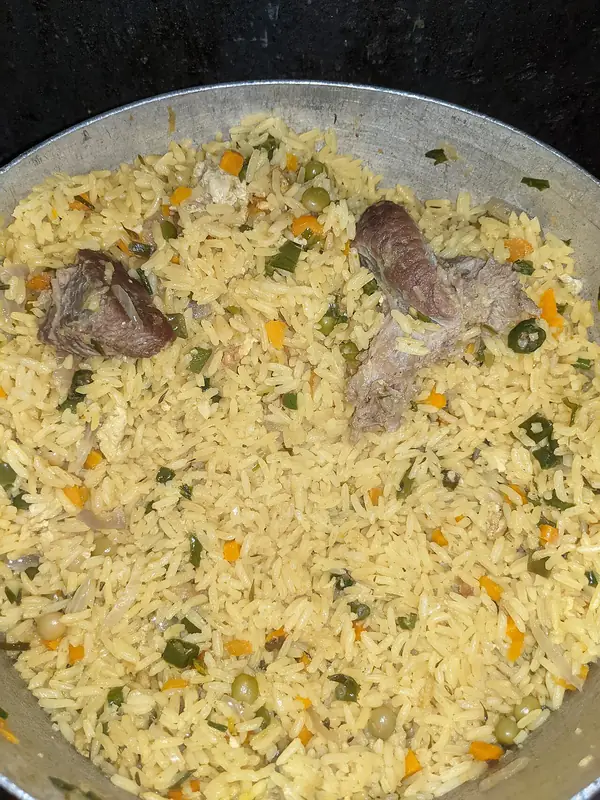

Photo adjustments
Full frame retained; EXIF orientation normalized, proportionally resized to at most 800 pixels and converted to WebP. No generated pixels or subject changes. Cards may crop the display.
Da Ao xia jiang chao fan is Tai O's shrimp-paste fried rice: rice stir-fried with the fermented shrimp paste that the stilt village on Lantau is known for making by hand.
How it is made
The paste does most of the work. A spoonful goes into the hot pan first, so its salt and cured shrimp flavour open up in the oil before the rice follows; cooked rice then goes in and is tossed until the grains separate. Egg, spring onion and sometimes a few dried shrimp are ordinary additions. The paste is what makes the dish possible: local accounts describe small shrimp mixed through with salt, pounded and dried in sun and sea air rather than boiled, which is why a small amount seasons a whole pan. A kitchen that substitutes the looser shrimp sauce for the paste will send out a wetter, gentler plate.
Flavour and texture
Expect salt first, then a long fermented seafood note that sits behind the rice rather than on top of it. The grains stay loose because the paste is added as a seasoning and not as a sauce. This is a savoury, faintly funky plate rather than a sweet one, and anyone who dislikes fermented seafood will find the smell stronger than the taste.
Local roots
Tai O is the stilt-house fishing village on the western side of Lantau, and shrimp paste and shrimp sauce are among the products that grew out of its fishing economy. A China News Service report notes that a Tai O shop running for four generations and more than a century has been documented making shrimp paste and shrimp sauce by hand, with the small shrimp turned into salted shrimp, paste and sauce through sun, sea air, salt and time. That is why this fried rice belongs on a Tai O table: the seasoning in the pan is the village's own preserved catch, not an imported condiment.
Ingredients and dietary needs
Cooked rice, shrimp paste, cooking oil and usually egg make up the core. Spring onion, dried shrimp, diced pork or char siu, and a little soy sauce are common. The one hard point for visitors is shellfish: shrimp paste is made from shrimp, so the dish is not suitable for anyone avoiding crustaceans or shellfish, and cross-contact in a busy kitchen is likely. Ask also whether the kitchen uses shrimp paste or the milder shrimp sauce, and whether monosodium glutamate is added, since either can change how salty the plate lands.
How to order it
Say 虾酱炒饭 (xiā jiàng chǎo fàn) and add 大澳 if you want the village's own paste used. Two questions are worth asking: 用虾膏还是虾酱, which asks whether the kitchen uses thick paste or the looser sauce, and 有没有虾皮, which checks for dried shrimp as well. In Tai O the dish is on the menus of the waterfront seafood restaurants, and in town it is a common item in diners and cooked-food stalls.
How to eat it
Eat it hot; the aroma fades as the rice cools. One portion is a full meal for one person, or a shared plate for two with a vegetable. Because the seasoning is strong, plain steamed greens balance the table better than a second salty dish. If you are trying the paste for the first time, take a small spoonful of rice on its own first.
More dishes to compare
Explore related local specialties and compare their names, preparation notes and ordering guidance.
Claypot rice 煲仔饭 →
Claypot rice cooks rice and its toppings together in a clay pot, producing a crisp layer of grains at the base and a topping-led flavour. Da Ao xia jiang chao fan uses already-cooked rice, stir-fried so the grains stay separate, and takes its character from fermented shrimp paste rather than from the ingredients cooked on top.
Questions before you order
Is the shrimp paste very fishy?
It is salty and fermented rather than fishy in a fresh sense, closer to a strong anchovy or shrimp condiment. The smell in the jar is much stronger than the taste it leaves in the rice.
Can I buy the paste to take home?
Tai O's shops and the village's own producers sell shrimp paste and shrimp sauce in jars, and the same products reach Hong Kong grocery shelves. Check the label for whether it is paste or sauce.
Sources & reading
The supplied food list supports this name and regional association. The culinary terms below are explained as menu vocabulary; a local recipe, origin story and venue availability have not been independently verified.