

Chaling Yellow Cattle Beef 茶陵黄牛肉
Chaling Yellow Cattle Beef is featured among the local specialties of Hunan.
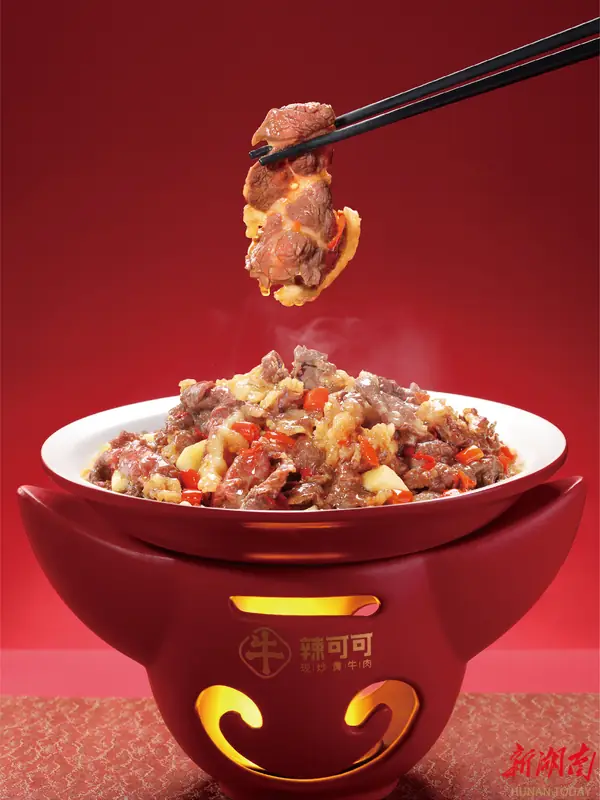
Photo adjustments
EXIF orientation normalized; resized without changing aspect ratio; converted to WebP. No subject edits.
Chaling Yellow Cattle Beef (茶陵黄牛肉) is the beef of Chaling County in Zhuzhou, Hunan, where the name carries both the county and the cattle: 黄牛, the yellow cattle that local kitchens and processors build their beef dishes around.
How the beef is handled
The one process the county government documents is a producer’s: the beef is washed, boiled first, then sliced, then fried, with chili, peanuts, ginger, garlic and spices cooked through in separate stages before the paste is finished. Boiling before slicing is what keeps the slices even, and frying afterwards is what gives the beef its chew.
That is the paste, not the whole story of the dish. In a Chaling kitchen the same beef is normally cooked fast — sliced thin and stir-fried over high heat, or simmered longer for stews — and the local cattle is chosen for that because the meat is described as tender rather than tough.
Flavour and texture
The county page describes the local cattle as 肉质柔软,味道鲜美: soft in texture and full in flavour. In practice, expect a beef with a clean, slightly sweet meat taste and enough fat and connective tissue that quick cooking keeps it tender.
When it appears as a chili beef dish, the flavour sits firmly in Hunan territory: fresh chili heat in front, salt and fermented seasoning behind it, and the beef taste still readable rather than buried. If the version you get is the paste, treat it as a seasoning — it is saltier and hotter than a plate of stir-fried beef.
Where the beef is from
Chaling is a county of Zhuzhou in eastern Hunan, and the county’s own news desk treats local yellow cattle as an agricultural asset: the report follows a local company that uses 黄牛肉 as its selling point and sells beef foods and mushroom beef paste under registered trademarks.
The article’s claim is economic rather than culinary — that demand for beef supports a local processing business and that the cattle are part of the county’s food identity. It does not give an origin date, so this guide does not invent one.
Ingredients and dietary checks
The core is yellow cattle beef. Around it, the documented producer line uses chili, peanuts, ginger, garlic and mixed spices, and states that no preservatives are added. A restaurant version will usually be beef plus fresh or dried chili, garlic, ginger and a soy or fermented base.
Check for peanuts, soy and wheat-based sauces if those matter to you, and ask whether lard or beef tallow is used for frying. Beef pastes are also high in salt, so taste before adding soy sauce at the table.
How to order it
Say 茶陵黄牛肉 and ask how the kitchen cooks it — stir-fried with fresh chili, braised, or served as a beef topping over rice or noodles. If the answer is a beef paste, ask for it as a side rather than a main so you can judge the beef itself.
Useful questions are which cut is used, how hot the chili is compared with other dishes on the table, and whether the beef is local. Chaling kitchens are proud of the cattle, so the last question is usually answered directly.
How to eat it and plan a meal
Stir-fried beef is at its best in the first minutes, while the slices are still tender; share it around the table quickly rather than leaving it on the burner. Serve it with plain rice and one mild vegetable so the chili does not take over the meal.
More dishes to compare
Explore related local specialties and compare their names, preparation notes and ordering guidance.
Xinhuang Yellow Cattle Beef 新晃黄牛肉 →
Xinhuang Yellow Cattle Beef (新晃黄牛肉) is the beef of Xinhuang, a county in Huaihua on Hunan’s western edge, where the name is likewise built from the place plus 黄牛. Chaling Huang Niu Rou comes from Chaling in Zhuzhou, and the county documents its cattle as tender and full-flavoured and shows one producer boiling, slicing and frying the meat for beef paste. The difference is geography and kitchen style rather than the animal.
Questions before you order
Is 茶陵黄牛肉 a dish or an ingredient?
The name identifies a local ingredient, yellow cattle from Chaling, and it is used on menus for whatever the kitchen makes with it. The Chaling County page documents a beef-paste producer using the same cattle, and restaurants may stir-fry, braise or serve it over rice or noodles.
Why does the source say the beef is boiled before it is fried?
That is the producer’s sequence for beef paste: washing, boiling, slicing and then frying. Boiling sets the meat so the slices stay even, and frying afterwards builds the chew and the browning that a paste needs.
Sources & reading
The supplied food list supports this name and regional association. The culinary terms below are explained as menu vocabulary; a local recipe, origin story and venue availability have not been independently verified.