

Wild Wormwood Shoots 柳蒿芽
Liuhao ya (柳蒿芽), called Kunmile (昆米勒) in Daur, is a seasonal wild green associated with Daur foodways in Hulunbuir; its young shoots become soups, stews, cold dishes, fillings, or a dried pantry ingredient rather than one fixed recipe.
Tap any red Chinese text to hear it in Mandarin.
What you are eating
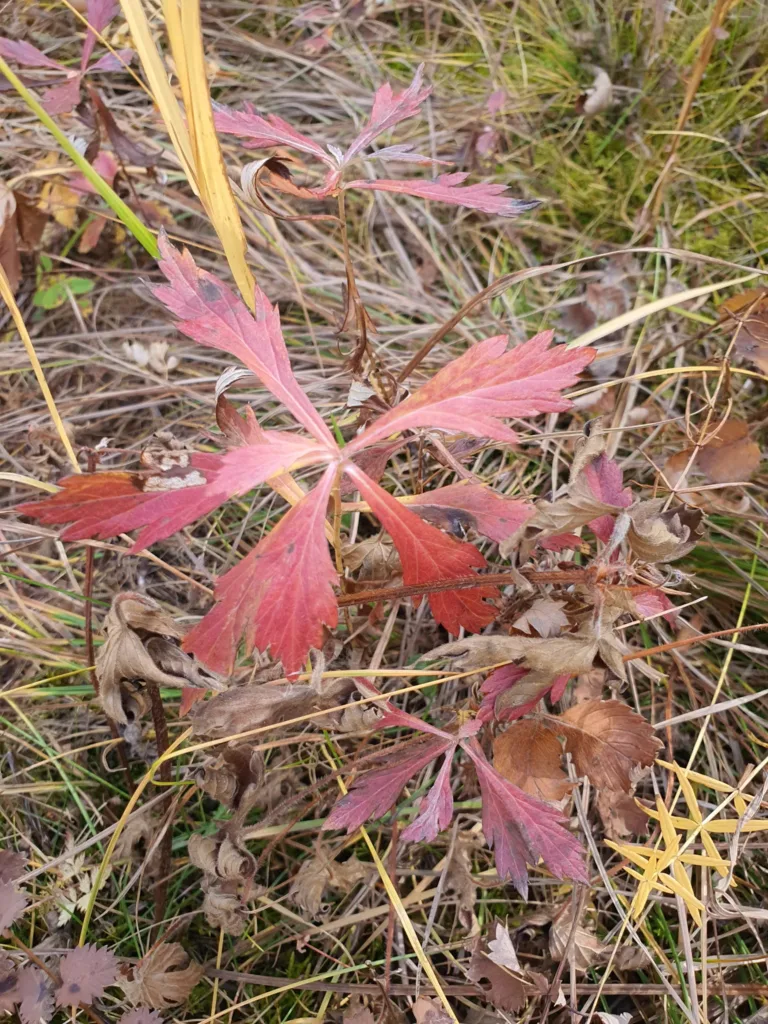
柳蒿芽 (liuhao ya) means the edible young stems and leaves of a wild plant. In Daur, the plant is known as Kunmile (昆米勒). It is a regional foodway connected with riverside and grassland communities around the Nen River and with Daur households in eastern Hulunbuir, rather than a dish invented by one restaurant.
The ingredient matters because it is seasonal and practical. A report on Daur food traditions describes a history of eating 柳蒿芽 stretching back more than 300 years, and notes that it remains a household ingredient used in soup, meatballs and dumpling filling. That background is more useful than treating “wild wormwood shoots” as a single standardized recipe.
How it is cooked
Fresh shoots may be mixed as a cold dish, simmered in soup, or used as a filling. They can also be dried, rehydrated and then braised with meat or stir-fried. On a current menu, 炖柳蒿芽 (stewed 柳蒿芽) may therefore be a home-style dish with meat or other local ingredients, while 柳蒿芽汤 (柳蒿芽 soup) can vary from one kitchen to another. Do not assume that a green-looking serving is vegetarian, free of meat stock, or safe for a particular allergy; ask what is in the pot.
The flavor to look for is the plant itself: a fresh, leafy green note in a broth or stew, with the texture changing from tender when freshly cooked to more concentrated and chewy after drying and rehydration. The sources describe several forms, not a single protected formula, so a restaurant’s version should be treated as its own kitchen’s variation.
When and where to look
Older local descriptions place the traditional Kunmile picking season around mid-May. That is a useful late-spring clue, not a promise that a festival or fresh harvest will occur on the same date every year. In April 2025, a spring tourism event at China Daur National Park in Morin Dawa recorded visitors eating stewed 柳蒿芽 in Daur homes alongside other local foods. This is evidence of a dated cultural experience, not a daily restaurant schedule.
The park can be used as a cultural context for the food, but it is not the dish’s sole source or a guaranteed place to order it. The Morin Dawa government’s park description names the main gate and visitor reception centre, and places China Daur National Park north of Nierji town beside National Highway 111. It also lists Daur homes and a non-heritage exhibition park among the site’s visitor facilities. A 2025 local tourism route report grouped the park with the Daur Ethnic Museum, the Nierji Water Control Project and Tengke Daur Folk Village.
How to find a serving
Search for 柳蒿芽 Liǔhāoyá, and if needed 柳蒿芽汤 Liǔhāoyá Tāng or 炖柳蒿芽 Dùn Liǔhāoyá, on Meituan (美团) or Amap / Gaode Maps (高德地图) near your actual stop in Hulunbuir. Check the menu, recent reviews, opening information and that day’s availability before choosing. Ask whether the kitchen is using fresh shoots or dried shoots that have been rehydrated, and whether the dish contains pork, fish, stock or other ingredients you need to avoid.
柳蒿芽 is not a fixed-address attraction, so there is no honest “柳蒿芽 entrance,” dedicated station or universal return route. If you add China Daur National Park to a Morin Dawa visit, use the Chinese destination name 中国达斡尔民族园 Zhōngguó Dáwò’ěr Mínzú Yuán and aim for the named main gate or visitor reception centre rather than an unverified riverside point. The current public transport connection, opening status, ticketing and return service are not established by the sources above; check the current official notice or map listing before setting out and arrange the return from the same confirmed entrance.
Sources & reading
Image credits & notes (1)
- Late-season Artemisia integrifolia photographed in Ulaanbaatar, Mongolia; a botanical reference for the plant associated with 柳蒿芽, not a prepared dish or a Hulunbuir harvest. Photo: Urgamal MagsarPhoto: CC BY 4.0