

Clay Pot Deer Delicacies 砂锅鹿宝
Clay Pot Deer Delicacies is featured among the local specialties of Jilin.
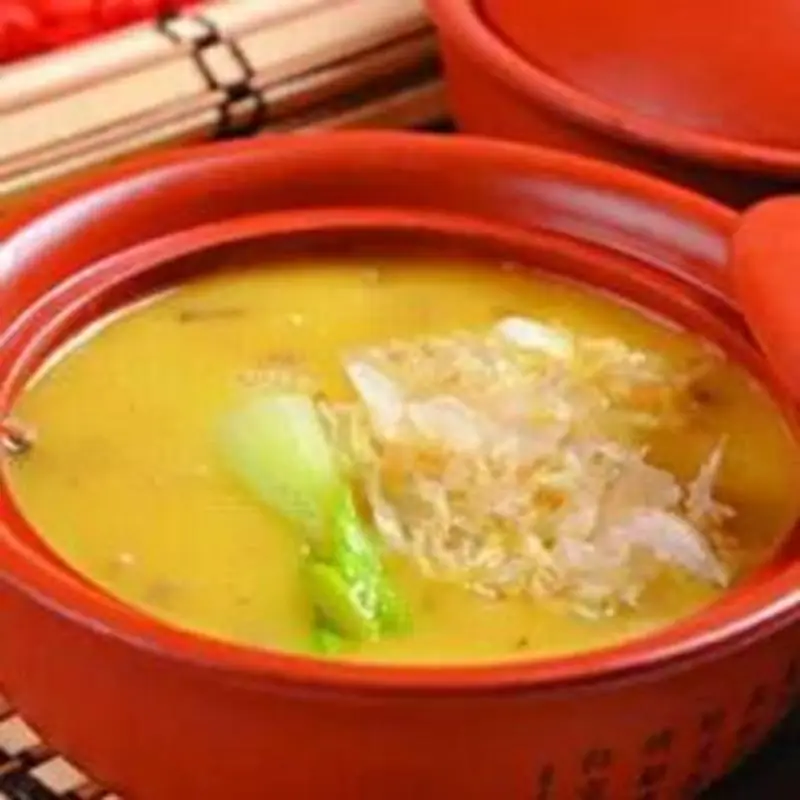
Image notes
Resized for the web; the photo itself has not been edited.
Clay Pot Deer Delicacies (砂锅鹿宝) is a Jilin clay-pot dish whose name joins the vessel to a deer reference, and it is listed with the province's larger banquet cooking rather than with one town.
How the pot is cooked
砂锅 names the vessel: a lidded clay or ceramic pot that holds heat and lets the contents cook slowly with very little evaporation. In a dish like this, the main ingredient and the aromatics go in together and are simmered until tender, with the sauce reducing around them instead of being thickened separately. Because the name can refer to more than one cut, cooking time varies from kitchen to kitchen. Ask what is used, whether the pot is braised or stewed, and how long it cooks before you order.
What it tastes like
A clay-pot stew of this kind tastes deep and savoury, with the sauce carrying most of the seasoning and the meat contributing a dense, slightly gamey flavour. Ginger, garlic, spring onion, star anise and a splash of rice wine or soy are typical ways to round that gaminess out, and the long simmer softens the texture considerably. It is a rich dish rather than a light one, and it is usually eaten with plain rice to balance the sauce. If strong, earthy flavours are not for you, order a small portion to share.
The Jilin setting
The entry is attached to Jilin Province as a whole rather than to a single place, so treat it as regional banquet cooking rather than a local everyday staple. Deer products in this part of northeast China are associated with the Changbai Mountain area, and dishes of this kind usually appear on the menus of larger kitchens in regional cities and mountain towns. That also explains the price bracket and the serving style: it is ordered for a table, and it is more likely to show up at a dinner than in a quick lunch vendor.
Ingredients and dietary questions
The pot holds a deer-based main ingredient, a liquid and a set of strong aromatics. Soy sauce, rice wine, ginger, garlic, dried chilli and star anise are the usual seasonings, and some kitchens add roots or herbs from the same mountain trade. Root vegetables such as radish, potato or carrot may go in to soak up the sauce. Because the main ingredient can differ, ask exactly what is in the pot and whether any herbal ingredients are added, particularly if you prefer to know every component of a slow-cooked dish.
Ordering it
This is a shared main course, so order one pot for the table and build the rest of the meal around it: a plain vegetable dish, a soup and rice are enough. Ask how the dish is priced, since a slow-cooked meat pot is often charged by portion rather than per person. If the menu lists more than one version, ask what separates them, because the name alone does not fix the cut or the simmering time. On a first visit, a smaller portion shared between two people is the sensible order.
At the table
Keep the pot covered between servings so the sauce stays hot and does not dry onto the sides. Serve the meat with a spoonful of sauce over rice, and take the vegetables once they have had time to absorb the liquid. The flavour concentrates as the pot sits, so taste again near the end and stop when it starts to taste too salty. In winter a clay-pot dish like this is usually the warmest thing on the table, while in summer it makes more sense alongside something cold and sharp.
More dishes to compare
Explore related local specialties and compare their names, preparation notes and ordering guidance.
Snow-coat bean-paste puffs 雪衣豆沙 →
Snow-coat bean-paste puffs (雪衣豆沙) is the far end of the same Jilin banquet menu: an airy sweet fried dessert, where 砂锅鹿宝 is a heavy savoury pot built for sharing.
Questions before you order
What does 砂锅 in the name mean?
It names the cooking vessel, a lidded clay or ceramic pot used for slow simmering, rather than an ingredient in the dish.
Is 砂锅鹿宝 a single-person dish?
Usually not. It is a shared banquet-style pot, so ask about the portion size and how the kitchen prices it before ordering.
Sources & reading
The supplied food list supports this name and regional association. The culinary terms below are explained as menu vocabulary; a local recipe, origin story and venue availability have not been independently verified.