

Huinong Mutton 惠农羊肉
Huinong Mutton is featured among the local specialties of Ningxia.
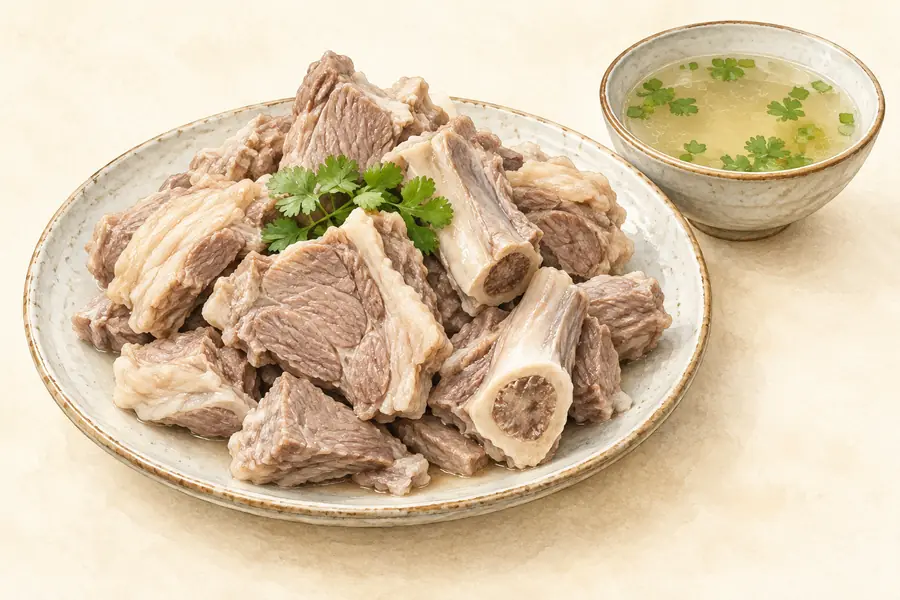
Huinong Mutton (惠农羊肉) is a Ningxia dish identified by where the meat comes from: 惠农 is the place the name carries and 羊肉 is lamb or mutton.
How it is made
Nothing in the name fixes a technique, so the cooking depends on the kitchen. The same regional lamb can be simmered plainly and served with a dip, braised dark with soy and ginger, or grilled over heat until the fat crisps at the edges.
That is why the first question at the table is 怎么做的 (how is it cooked). The answer tells you more about what will arrive than any description of the meat.
Flavour and texture
Expect a clean, sweet lamb flavour rather than the heavier note older mutton carries. Meat from young animals is usually served plainly so that flavour can be tasted, so a very heavy sauce is usually a choice the kitchen made rather than something the meat needs.
Local roots and menu reading
A district plus a meat is a sentence about provenance, not a cooking instruction, and it should be read that way: the kitchen is telling you which animal it buys and leaving the technique open. Boiled with a dip, braised dark, or grilled over heat are all consistent with that name.
Ask how it is cooked, whether it arrives on the bone, and whether the dip comes separately — those three answers vary between kitchens far more than the name does.
Ingredients and dietary needs
Lamb, salt and a dip are the minimum; braised versions add soy, ginger and spices, and grilled versions rely on a dry rub. Ask 蘸料是什么 (what dip comes with it) and 带骨头吗 (is it served on the bone) so that you know what you are getting before the plate arrives.
How to order Huinong Mutton
Show 惠农羊肉 and ask 怎么做的 (how is it cooked), 带骨头吗 (on the bone) and 一斤多少钱 if it is priced by weight. If you want the plainest version, ask 清炖 and request the dip separately with 蘸料分开.
How to eat it and plan a meal
If the lamb arrives boiled or braised, eat it warm with rice or noodles and let one vegetable cut the fat. If it arrives grilled, treat it as the centre of the table, add a pickle or a cold dish beside it, and take the pieces from the bone while they are still hot.
More dishes to compare
Explore related local specialties and compare their names, preparation notes and ordering guidance.
Tongxin Mutton 同心羊肉 →
Tongxin Mutton (同心羊肉) is the same idea from a different Ningxia county: a lamb dish whose name claims an origin, with the kitchen deciding how it is cooked. 惠农羊肉 sits in that same family, which is why the useful comparison is not a fixed difference in recipe but how each kitchen treats the meat — boiled for plainness, braised for depth, or grilled for crisp fat.
Questions before you order
Why is the dish named after a district?
Because the name is a claim about origin: naming the place is how the kitchen says which lamb you are eating. Ask 怎么做的 to find out how that lamb is actually cooked, since the name does not describe a method.
What is the difference between 羊肉 and 羊羔肉?
羊肉 simply means lamb or mutton, while 羊羔肉 specifies an animal that is still young. The second is more tender and is normally cooked faster, which is why the two appear in different dishes on the same menu.
Sources & reading
The supplied food list supports this name and regional association. The culinary terms below are explained as menu vocabulary; a local recipe, origin story and venue availability have not been independently verified.