

Xiji Young Lamb 西吉羊羔肉
Xiji Young Lamb is featured among the local specialties of Ningxia.
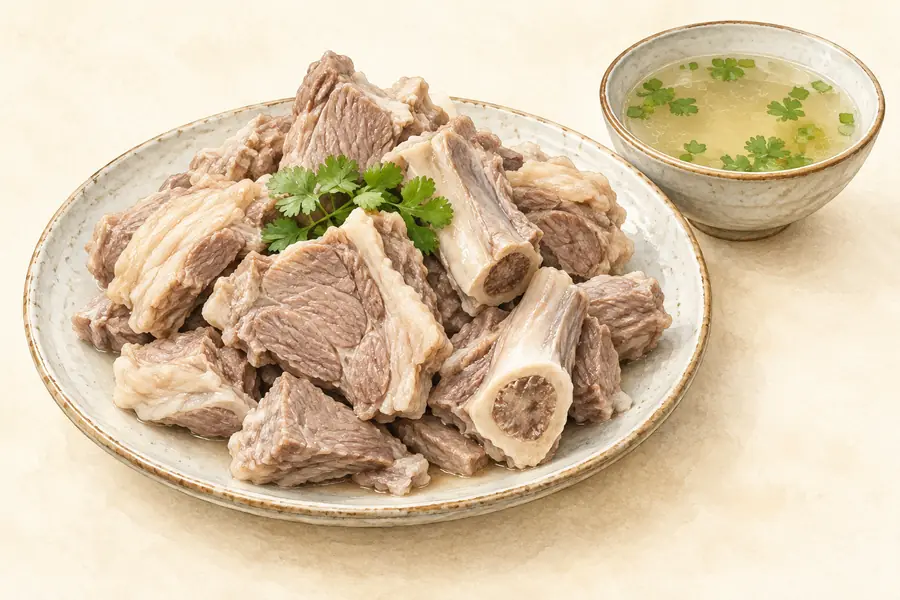
Xiji Young Lamb (西吉羊羔肉) describes an origin and an age rather than a cooking method: 西吉 is the place in the name and 羊羔肉 is meat from a young lamb.
How it is made
Young lamb is handled differently from mature mutton because it needs far less time to become tender. Kitchens either cook it slowly in a covered pot with aromatics, or cook it fast in a hot wok where the outside browns before the inside dries — the choice is what separates one version of this dish from another.
Ask 怎么做的 (how is it cooked) and 带骨头吗 (is it served on the bone), because both answers change the plate more than the name does.
Flavour and texture
Expect sweeter, milder meat than mutton, with softer fat and a texture that yields without much chewing. Because the animal is young, strong seasoning is usually unnecessary, and the pieces closest to the bone taste richest.
Local roots and menu reading
西吉羊羔肉 is associated with Ningxia, so the region is a place to look for the dish rather than proof that a particular kitchen serves it. Naming a lamb dish after a place name is how a kitchen says which animal you are eating; adding 羊羔 narrows that further to a young one, which is the part that changes how it cooks.
Ingredients and dietary needs
Lamb, salt and aromatics such as ginger, garlic and chilli are the base, with soy or a light broth depending on the method. Ask 辣不辣 (is it spicy) and 有药材吗 (are herbs added) if you want to know how much is in the pot beyond the meat.
How to order Xiji Young Lamb
Show 西吉羊羔肉 and ask 一份够几个人吃 (how many it serves), 怎么做的 (how it is cooked) and 按重量算吗 (is it priced by weight). If you prefer leaner pieces, ask 瘦一点 before the meat is cut.
How to eat it and plan a meal
Eat it hot and take the pieces from the bone while the fat is still soft, since young lamb tightens as it cools. Rice or a plain noodle dish and one vegetable are enough alongside; if the lamb is served in a sauce, spoon that over the rice rather than leaving the meat sitting in it.
More dishes to compare
Explore related local specialties and compare their names, preparation notes and ordering guidance.
Tongxin bowl-steamed lamb 同心碗蒸羊羔肉 →
Tongxin bowl-steamed lamb (同心碗蒸羊羔肉) is cooked in a bowl under cover, so the meat steams in its own juices and arrives soft, with the seasoning absorbed rather than seared on. 西吉羊羔肉 carries no method in its name, so the same young lamb may arrive stewed or stir-fried — one version keeps the juices in the pot, the other drives them off in the heat.
Questions before you order
What does 羊羔肉 mean?
It means meat from a young lamb, which is why it is treated gently: the meat is tender sooner and the fat tastes milder than mutton. Ask 是羔羊吗 if you want to confirm what the kitchen is using.
Is the dish served on the bone?
Often, so ask 带骨头吗 if that matters to you. Bone-in pieces keep the meat moist and taste richer, while boneless versions eat more cleanly but lose some of that character.
Sources & reading
The supplied food list supports this name and regional association. The culinary terms below are explained as menu vocabulary; a local recipe, origin story and venue availability have not been independently verified.