

Confucius Mansion Cuisine 孔府菜
Confucius Mansion Cuisine is featured among the local specialties of Shandong.
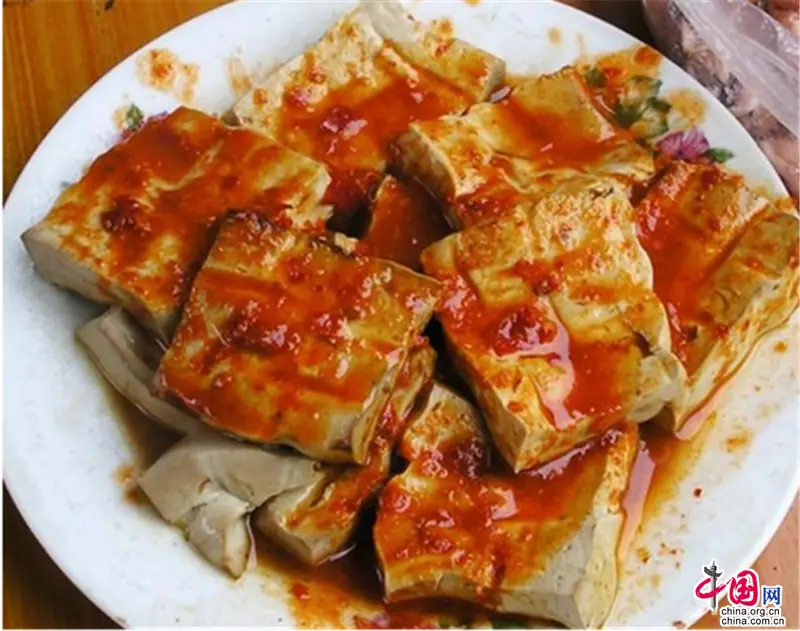
Image notes
Resized for the web; the photo itself has not been edited.
Confucius Mansion Cuisine (孔府菜) is the Kong household’s cooking tradition centred on Qufu (曲阜), with elaborate banquets, carefully chosen vessels and dishes shaped to express literary or auspicious themes. Its cooking techniques entered China’s third national intangible cultural heritage list in 2011.
How it is made
The historic household maintained an inner kitchen for the family and honoured guests and an outer kitchen for staff. Skilled cooks could move into the inner kitchen, helping ideas pass between household, court and everyday cooking.
Jining’s (济宁) culture and tourism bureau describes dishes passing through three or four cooking stages, with braising, stir-frying, simmering and frying among the techniques. A house stock called santao tang (三套汤) contributes savoury depth.
Flavour and texture
The bureau characterises the cuisine as light and fresh, tender and aromatic, preserving the ingredients’ own flavours. Its ingredient range includes vegetables and fruit as well as elaborate meat and seafood preparations.
Where it comes from
Historic banquet arrangements varied with the occasion and the status of guests. Birthday banquets displayed decorated pastries, fruit and vegetables on tall vessels before the hot dishes arrived.
Individual dishes also carry stories. Poetry-and-Ritual Ginkgo (诗礼银杏) is cooked with honey until golden and tender. Jining city government links its name to the Poetry-and-Ritual Hall (诗礼堂) and the memory of Confucius teaching his son.
Sources & reading
Written from the linked sources and fact-checked against them on 2026-09-26. Recipes and servings vary between kitchens.