

Zhanhua Winter Jujube Cake 沾化冬枣糕
Zhanhua Winter Jujube Cake is featured among the local specialties of Shandong.
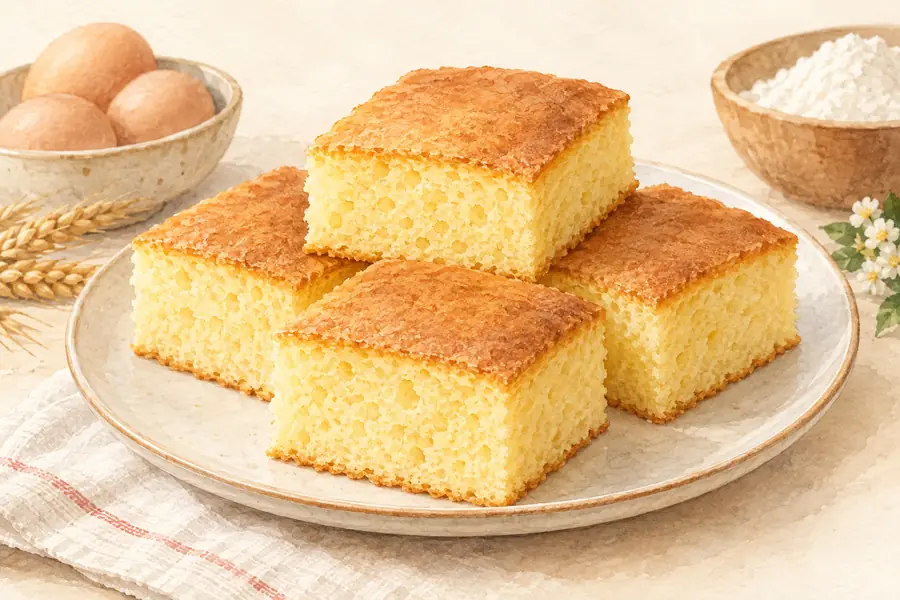
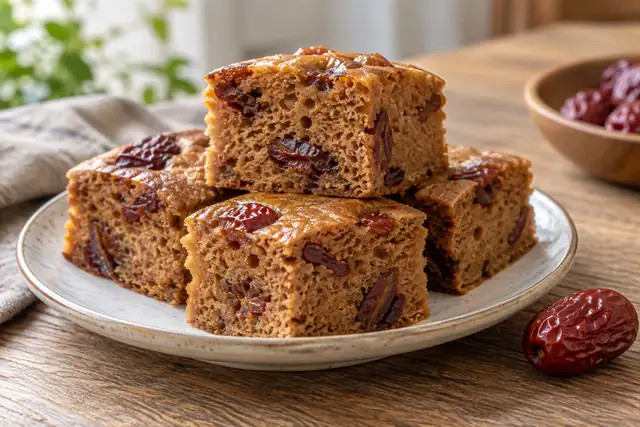
Winter jujubes give Zhanhua Winter Jujube Cake (沾化冬枣糕) its name, and Binzhou in northern Shandong is the prefecture that the label attaches the cake to.
Fruit in a grain cake
Jujube works in a cake as both a sweetener and a body ingredient. The fruit is cooked or softened first so its sugars spread through the mixture, and its flesh helps bind the grain so the cake holds together when it is cut. Because the fruit is already sweet, the batter needs very little added sugar, which is why these cakes taste of the fruit rather than of syrup. Steaming and baking both work, and they give very different crusts.
Deep sweetness and a firm bite
Expect a darker, rounder sweetness than white sugar gives, with a flavour closer to dried fruit than to fresh. The texture is firm rather than fluffy, and it should be moist enough to hold together without being sticky. A cake that tastes only of sugar has used too little fruit, and one that crumbles has used too little liquid or fat to carry the grain.
A county and its fruit
Zhanhua is a district of Binzhou on the northern plain, where orchards and jujube trees are part of the local agriculture. The label works the way an orchard name does elsewhere: it tells you where the fruit comes from rather than describing a technique. The nearby entry from Leling does the same thing with a different jujube variety, which makes the pair a neat comparison. In practice a county name in front of a cake is a claim about the fruit, not about the method, so two shops in the same district can make very different cakes from the same jujubes.
Ingredients and dietary checks
Ask 什么面做的 (what flour) and 放了什么糖 (what sweetener), because both change the cake a great deal. Wheat, millet and rice flours all appear in northern cakes, and the answer decides whether it suits a gluten-free diet. Jujube is the defining ingredient, so anyone avoiding dried fruit should treat the cake as unsuitable rather than picking pieces out.
How to order it
Ask 甜不甜 (how sweet), 一块多大 (how big is a piece) and 刚做的吗 (is it fresh), then 有枣块吗 (does it contain pieces of fruit) if texture matters to you. If you want it for later, ask 能放几天 (how many days it keeps) rather than assuming it travels well. Buy a small piece first, since these cakes are dense and filling.
Serving it with tea
A jujube cake is a tea snack rather than a plated dessert, and it is normally cut into small pieces and eaten by hand. Its sweetness is deep enough that it works after a plain meal and too heavy for the end of a banquet. Plain tea without sugar is the right companion, since both the drink and the cake are already on the sweet side.
More dishes to compare
Explore related local specialties and compare their names, preparation notes and ordering guidance.
Leling Golden-Silk Jujube Cake 乐陵金丝小枣糕 →
Leling Golden-Silk Jujube Cake (乐陵金丝小枣糕) is the neighbouring entry and the same idea with a different jujube: Leling's small golden-thread variety rather than Zhanhua's winter fruit. Two counties, two cultivars, one technique. Tasting them side by side is the most direct way to see what a change of fruit does to a cake.
Questions before you order
Is the fruit in the cake a date?
It is a jujube, which is a different fruit from the date palm. 冬枣 names a late-ripening jujube type rather than a dried date.
Is the cake very sweet?
Ask 甜不甜. Jujube supplies much of the sweetness itself, so the flavour tends to be deep rather than sugary.
Sources & reading
The supplied food list supports this name and regional association. The culinary terms below are explained as menu vocabulary; a local recipe, origin story and venue availability have not been independently verified.