

Steamed Yellow Millet Cake 黄糕
Steamed Yellow Millet Cake is featured among the local specialties of Shanxi.
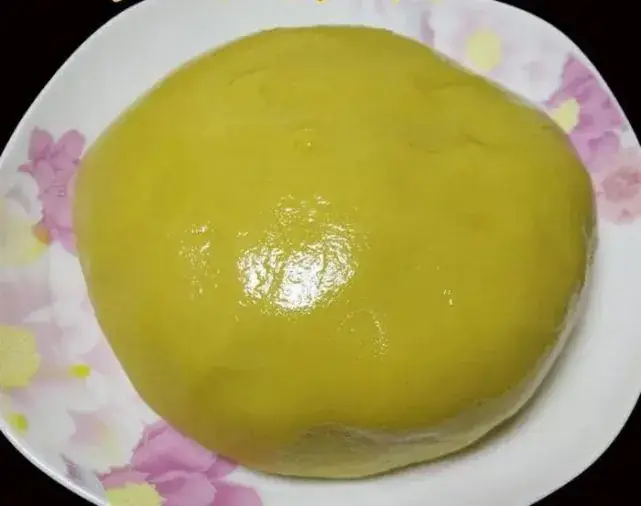
Photo adjustments
EXIF orientation normalized; resized without changing aspect ratio; converted to WebP. No subject edits.
Steamed Yellow Millet Cake (黄糕) is the steamed cake of yellow millet (黄米) that Datong (大同) people eat plain, as sugao (素糕), or wrapped round a filling and deep-fried as youzhagao (油炸糕). The Datong Evening News (大同晚报) calls cake part of the city's food culture, carried on from its past as an old capital.
How it is made
In a 2025 Datong Evening News visit to the Hongbaoshi cake shop (红宝石糕馆), the cook rubs the millet flour with cold water, saying the moisture of the flour directly affects the texture and has no fixed rule. The flour steams for a little over ten minutes. She then flips the cloth so the cake drops into a basin, wets her hands in cold water and quickly pulls, presses, rolls and kneads it until the shapeless mass becomes a golden, soft, smooth oval, then brushes it with sesame oil, which bubbles on the hot surface.
For fried cake the kneaded dough is divided into pieces, flattened, filled and fried. The Datong landmark-food list published in 2026 notes that the shape tells the filling: ingot-shaped for vegetables, round for bean paste, three-cornered for a filling made with beef bone marrow. At Hongbaoshi the marrow filling has eleven ingredients, including raisins, walnut, melon seeds, sesame, white and brown sugar and the red and green candied strips of old Datong, while the vegetable filling mixes steamed diced potato with dipi (地皮菜, a wild edible fungus), carrot and garlic chives. Fried in hot oil, the cakes come out golden with translucent bubbles on the skin, crisp outside and soft inside.
How it is eaten
Plain sugao is eaten with stews: at Hongbaoshi, stewed free-range chicken, lamb, bones, beef or chicken offal, and above all dahuicai (大烩菜), a mixed vegetable stew that the Datong Evening News calls the perfect partner for plain cake.
Where it comes from
Because gao (糕, cake) sounds like gao (高, high), Datong people use "eating cake" to express good wishes. A Datong Daily (大同日报) piece on the city government portal describes fried cake as a ritual food served at weddings, funerals and seasonal festivals. Local historian Song Zhiqiang (宋志强) links it to Zhou-dynasty ritual, matching the yellow millet to the ancient grains shu and ji (黍稷) and the smoke rising during frying to announcing to heaven and earth and worshipping the ancestors.
Sources & reading
Written from the linked sources and checked sentence by sentence against quoted extracts by a separate reviewer on 2026-09-24. Recipes and servings vary between kitchens.