

Jincheng Ten-Bowl Banquet 晋城十大碗
Jincheng Ten-Bowl Banquet is featured among the local specialties of Shanxi.
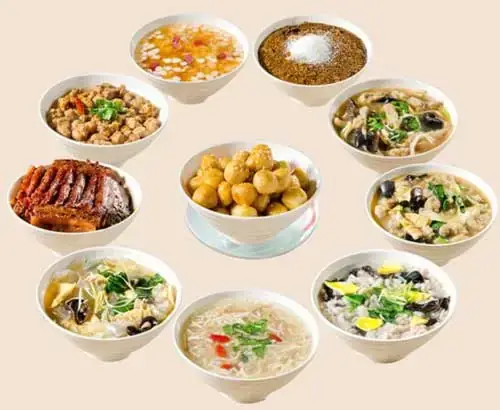
Image notes
Resized for the web; the photo itself has not been edited.
Jincheng Ten-Bowl Banquet (晋城十大碗) is a feast of ten bowls served in Jincheng (晋城), Shanxi. The Jincheng Municipal Bureau of Commerce calls it the city's oldest representative banquet and traces it back to ancient sacrifices held to pray for rain. In September 2018 the China Cuisine Association (中国烹饪协会) named it one of the ten themed banquets of Shanxi (山西十大主题名宴).
Ingredients
The commerce bureau lists the ten bowls as wood-ear starch jelly (木耳圪贝), braised scallions (烧大葱), maotou meatballs (毛头丸), guoyou pork (过油肉), small crisp-fried pork (小酥肉), hubu pork (胡卜肉), you gema (油圪麻), tianhe dan (天和蛋), eight-treasure rice (八宝饭) and sweet-and-sour meatballs (糖醋溜丸). The Chengqu (城区) district government describes the set as a mix of meat and vegetable dishes, salty and sweet, soups and thicker dishes, known for large portions and many kinds, and a usual choice for gatherings.
Gaoping (高平) in Jincheng keeps its own ten bowls. The Shanxi provincial government lists them as water-white pork (水白肉), getao pork (铬桃肉), bowl pork (碗子肉), chuantang pork (川汤肉), intestine soup (肠子汤), tofu soup, egg soup, tianhe dan, soft-millet rice (软米饭) and flat-bean soup (扁豆汤).
How it is made
In the Gaoping account the banquet begins with one fattened pig. The cook sorts the meat: lean meat is cut into strips for getao pork, fat is shaved into slices for water-white pork, and the stomach and intestines are used too. The cut meat is mixed with oil, salt, soy sauce, vinegar, scallion, ginger and starch, fried golden, then steamed in large steamers and left to rest; it is said to taste better on the second day. To serve, the cooked meat goes back into the pot with fresh chicken broth and is ladled into bowls with some green leaves.
Wood-ear starch jelly, the first of Jincheng's ten bowls, is made from gebei (圪贝), a hand-made jelly of mung-bean or potato starch that is springier than ordinary liangfen (凉粉), set with pieces of wood-ear fungus in a clear broth. The broth is traditionally chicken or bone stock, and the bowl finishes with a peppery heat.
Flavour and texture
In the Gaoping version, diners add a little Shanxi aged vinegar (山西老陈醋) to the meat bowls, whose pork is described as fat but not greasy. Tianhe dan is the sweet surprise among its savoury, sour and hot soups: sweet potato is boiled, peeled and kneaded with glutinous-millet flour, cornmeal, starch and a little sugar, shaped into small balls and fried, then steamed and doused with hot syrup of rock sugar, brown sugar and honey. Its name puns on tian (sweet) and he (harmony), and the balls are said to look like quail eggs.
The Chengqu culture and tourism bureau places wood-ear starch jelly after the heavier dishes, to clear the palate.
Sources & reading
Written from the linked sources and fact-checked against them on 2026-09-24. Recipes and servings vary between kitchens.