

Puxian Black Pork 蒲县黑猪肉
Puxian Black Pork is featured among the local specialties of Shanxi.
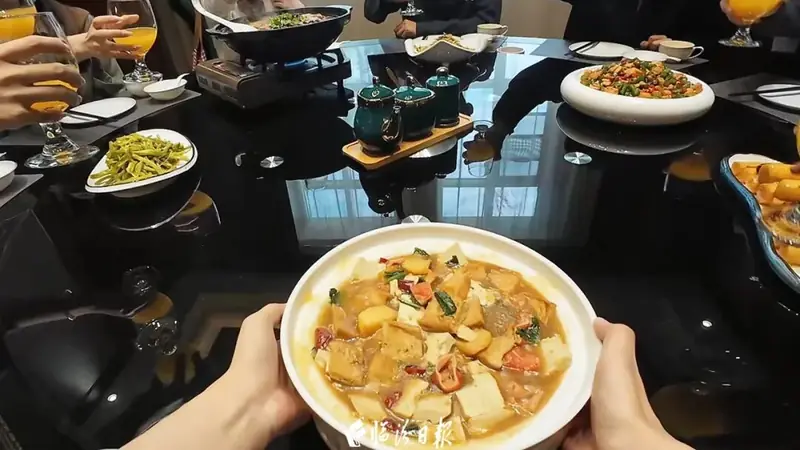
Photo adjustments
EXIF orientation normalized; resized without changing aspect ratio; converted to WebP. No subject edits.
Puxian Black Pork (蒲县黑猪肉) is a Linfen entry in the Shanxi list that names a product rather than a dish: 黑猪 describes the pig and 肉 is the pork itself.
A name about the animal, not the pan
Most Chinese dish names give the cook an instruction: braise, steam, stir-fry, dry, pass through oil. This one does not. 黑猪 identifies the type of pig, and 肉 says that the meat comes from it, so the label is a statement about provenance and nothing else. Whatever arrives at the table has been decided separately, and the same two characters could sit above a braise, a roast, a soup or a plate of sliced cold meat.
Where the cooking does change is in the fat. A pig that grows slowly and carries more marbling produces meat that stays moist through long, slow cooking, because the fat inside the muscle melts and bastes it from within. Leaner pork of the same cut can turn dry under the same treatment, which is why a breed name of this kind usually accompanies a method that takes time rather than one that relies on a fast sear.
What to look for in the meat
The claim behind a name like this is depth rather than novelty. Expect a stronger pork flavour, a softer texture after braising and a fattier mouthfeel than a lean supermarket cut. Sliced cold or served in a soup, the same meat shows its quality in how it holds together and how it tastes without sauce, which is why pork of this kind is often served plainly rather than buried under a heavy seasoning.
Pu county and local pork
蒲县黑猪肉 leads with the county, 蒲县 in southern Shanxi's Linfen area, and then names the animal and the meat: 黑猪, a type of pig, and 肉. Naming a local pig on a menu is a way of claiming quality through origin, and it appears in many parts of China for breeds that are slower and smaller than commercial stock. The county does not by itself prove what is on the plate; it tells you what the kitchen is claiming.
Ingredients and dietary checks
This is pork, so it is not suitable for anyone avoiding pork for dietary or religious reasons, and there is no vegetarian version of the name. Where the dish arrives as sliced cold meat, ask 是凉的吗 (is it cold) and 怎么做的 (how is it made). Where it arrives as a braise, ask 什么部位 (which cut), 咸不咸 (how salty) and 辣不辣 (how spicy). If you are asking about the breed claim rather than the cooking, ask 是什么猪 (what kind of pig).
How to order it
Show 蒲县黑猪肉 and ask 什么部位 (which cut) and 怎么做的 (how it is cooked), because the name settles neither. Ask 一份多少 (how big is a portion) and, for a braised version, 肥不肥 (how fatty it is). If the plate is served cold with a dip, ask 蘸什么 (what is the dip). Where a restaurant makes a specific claim about sourcing, ask 是本地的吗 (is it local) and take the answer as a claim rather than a fact you have verified.
Eating it
If the meat comes thinly sliced and cold, taste one piece without the dip first, since that is where a breed claim either shows or does not. Warm dishes should be eaten soon after they arrive, before the fat sets. Because pork of this kind is rich, a sharp pickle, a plate of greens or a bowl of clear soup works better alongside it than another heavy dish, and plain rice is a better partner than a sweetened sauce.
More dishes to compare
Explore related local specialties and compare their names, preparation notes and ordering guidance.
Guoyourou 过油肉 →
Guoyourou (过油肉) is the province's pork technique dish, where the character names the oil pass and the meat usually comes from an ordinary cut. Put next to a breed name, the two show the two ways a pork dish is sold: on what the animal was, or on what the cook does with it.
Questions before you order
What does 黑猪 mean on a menu?
It describes the type of pig rather than a cooking method, so the dish is being sold on provenance. Ask 什么部位 (which cut) and 怎么做的 (how it is cooked) to find out what is actually being served.
Is black pork cooked differently?
Not by rule, but the extra marbling suits slow cooking, where fat melts into the meat. Ask 是怎么做的 (how is it cooked), and ask 肥不肥 (how fatty) if you prefer a leaner plate.
Sources & reading
The supplied food list supports this name and regional association. The culinary terms below are explained as menu vocabulary; a local recipe, origin story and venue availability have not been independently verified.