

Eluanbi Onion Dishes 鹅銮鼻洋葱料理
Eluanbi Onion Dishes is featured among the local specialties of Taiwan.
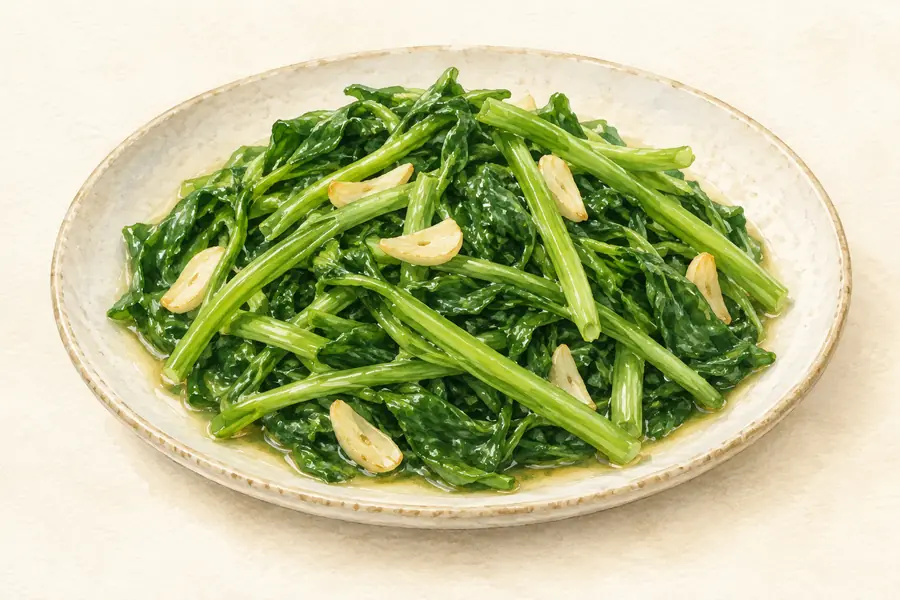
Eluanbi Onion Dishes (鹅銮鼻洋葱料理) covers the onion cooking of Pingtung County's southern tip, where the local crop is treated as an ingredient for everyday dishes rather than as a garnish or a side salad.
How it is cooked
Onions are sliced and cooked in several ways: fried into omelettes with egg, simmered in clear soup, braised with pork or chicken, or slow-cooked until the sugars come out and the slices turn soft and brown. Some kitchens dry or pickle them so they keep after the harvest. The technique matters more than the recipe, because the same vegetable gives a sharp, crunchy topping when it is raw and a sweet, jammy base when it is cooked for a long time.
Flavour and texture
Raw onion is pungent and crisp, with a bite that clears the palate; fried onion becomes sweet and soft, and long-braised onion almost melts into the sauce. Locally grown onions tend to be eaten for that sweetness rather than for heat, which is why cooks use them as a vegetable in their own right rather than as a background flavour. An omelette keeps both characters, with soft onion inside and browned edges outside.
Local roots
The record places the dish in Pingtung County, and 鹅銮鼻 is the southern headland at the end of the island, where the dry, windy winter suits onions and the crop became part of the local larder. The name says 料理, cooking, which is how a regional ingredient is described when it turns up in many dishes rather than in one. Menus around the area use onions in soups, omelettes and braises, and shops sell dried or pickled versions to take away.
Ingredients and dietary questions
Expect onion plus egg, pork, chicken or fish depending on the version, with soy, stock, oil and sometimes rice wine or sugar. A braised dish may use pork fat or a meat stock, so ask 是素的嗎 (is it vegetarian) and 有加酒嗎 (is there wine in it) if these matter. Onion itself is not an allergen for most people, but the dishes around it usually contain egg, meat or shellfish, and shared woks make strict cross-contact requests unrealistic.
How to order it
Show 洋葱 and ask 怎麼做 (how is it cooked), 有洋蔥蛋嗎 (is there an onion omelette) and 一份多少錢 (how much is a portion). Because the name is a category rather than a dish, the useful question is which preparation the kitchen has today. If you want the sweetest version, ask for 燉的 or 滷的 (braised); for the sharpest, ask for 涼拌 (dressed cold).
How to eat it
Onion dishes work as part of a shared table: an omelette or a cold dressed plate opens the meal, a braise sits with rice, and an onion soup can finish it. Eat the cooked versions while they are hot, because the sweetness fades as they cool. One plate usually serves two or three people, and a plain bowl of rice is enough to carry the sauce if the onions were braised.
More dishes to compare
Explore related local specialties and compare their names, preparation notes and ordering guidance.
Taiwanese sausage in sticky-rice sausage 大腸包小腸 →
Taiwanese sausage in sticky-rice sausage (大腸包小腸) is a night-market snack of a grilled sausage tucked inside a sticky-rice sausage, eaten on the move; 鹅銮鼻洋葱料理 is the opposite setting, local onions cooked into soups, omelettes and braises and eaten at a shared table.
Questions before you order
Is there one standard onion dish here?
No. The name means onion cooking in general, so the same kitchen may offer an omelette, a soup and a braise. Ask 怎麼做 to find out which versions are available.
Does cooking remove the sharpness?
Long cooking does; the onion sugars brown and the bite disappears. Quick frying leaves more of the original pungency, so the method decides how sweet the dish tastes.
Sources & reading
The supplied food list supports this name and regional association. The culinary terms below are explained as menu vocabulary; a local recipe, origin story and venue availability have not been independently verified.