

Flying Fish Dishes 飞鱼料理
Flying Fish Dishes is featured among the local specialties of Taiwan.
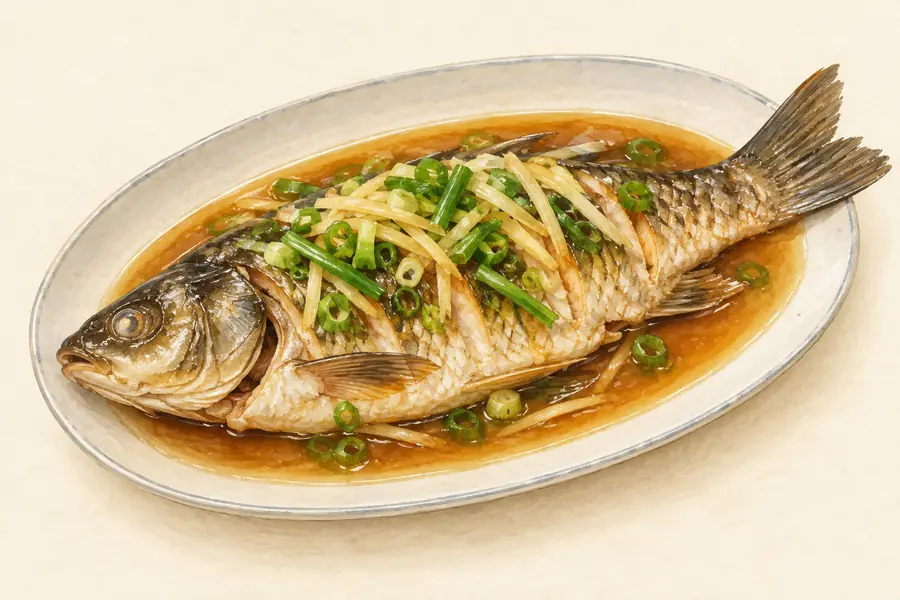
Flying Fish Dishes (飞鱼料理) are the flying-fish meals of Orchid Island (兰屿) in Taitung County (台东县), home of the Tao or Yami people (达悟族/雅美族). Taiwan's Ministry of Agriculture (农业部) calls the fish that arrive each spring and summer a gift from the gods to the Tao, and custom fixes how they are caught and cooked and even which bowls they are served in, with rules that differ from village to village.
Where it comes from
According to Taiwan's Ministry of the Interior (内政部), flying fish follow the Kuroshio current north to Orchid Island from about February or March and turn south again in July or August. The Tao calendar divides the year by them: rayon, the fishing season; teiteika, when fishing has ended; and amyan, when the fish are about to return. In the Tao origin story, a grandson of the stone-born ancestor caught an itching skin disease from fish and shellfish cooked together; the flying-fish king Black Wing then summoned the ancestor in a dream and taught him to catch, dry, cook and eat the fish. The Taitung County Government registered the Tao flying-fish ceremonies as a folk-custom heritage item in 2011.
How it is made
The first catch must be boiled and eaten the same day, and until the small-boat daytime fishing ceremony (around April or May) the fish may only be boiled, never grilled or fried; tradition holds that grilled flying fish brings sores. The pot is seasoned with sea salt dried from seawater. Flying fish are not cooked with other food and go into their own pots and bowls. The usual cut is three strokes along the side, giving three pieces; one family in Yuren village (渔人部落) uses four, a practice said to have come from the Batan people, so the fish can be shared among four children.
For drying, the fish are gutted, the eyes removed, the flesh washed and rubbed with salt, then hung from bamboo poles in the sun. In Langdao (朗岛), Dongqing (东清) and Yeyin (野银) they are strung through the eye and hung upright, belly towards the house; in Hongtou (红头), Yuren and Yeyou (椰油) a cord round the belly holds each fish as if in flight, head towards the house and tail to the sea. Both arrangements signal a good catch.
How it is eaten
After the storage ceremony (around June or July) the Tao stop catching flying fish and keep the dried fish for winter. After the final-eating ceremony (around September or October) no more flying fish may be eaten; leftover dried fish are hung on the woodpile racks beside the house for the pigs and dogs rather than thrown away. At Langdao, villagers cook the offerings on the beach after the fish-calling ceremony and share them there.
Sources & reading
Written from the linked sources and checked sentence by sentence against quoted extracts by a separate reviewer on 2026-09-25. Recipes and servings vary between kitchens.