

Seafood Hot Pot 海鲜锅
Seafood Hot Pot is featured among the local specialties of Taiwan.
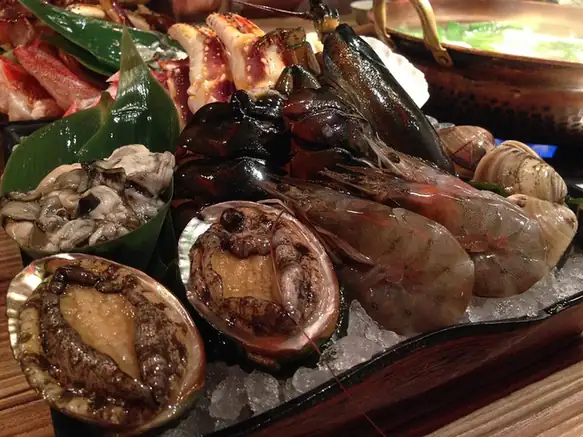
Seafood Hot Pot (海鲜锅) is a Lienchiang County seafood hot pot: a pot of stock set on the table, into which local fish, shellfish and vegetables are cooked in stages by the people eating.
How it works at the table
A shared pot of stock comes to the boil, and plates of raw seafood, vegetables and noodles sit around it. Shellfish and thin fish slices go in first because they cook in seconds and give the liquid their salt; leafy vegetables, tofu and noodles follow once the broth has flavour. Each person ladles out what is ready, and the pot is topped up with stock as the meal goes on. The kitchen prepares and plates the raw ingredients but does not cook them.
Flavour and texture
The broth starts clean and ends up rich, because everything cooked in it stays in the pot. Clams and small shellfish give the salt, fish and squid give body, and vegetables bring sweetness towards the end. Texture is up to the person cooking: a few seconds for a tender slice, longer for a slice that turns rubbery. Dipping sauces of soy, vinegar, garlic and chilli are used sparingly so the seafood is still visible.
Local roots
The pot is recorded for Lienchiang County, and on an island group it reflects what the boats bring in. Seafood hot pot suits a place where a family can buy a mixed catch and turn it into a shared meal, and it appears in winter as much as at celebrations. Because the seafood side follows the catch, what is on the table on a given day varies from one harbour kitchen to the next.
Ingredients and dietary questions
Expect a stock base, shellfish, fish, squid or shrimp, plus cabbage, tofu, mushroom and noodles, with soy, vinegar, garlic and chilli for dipping. Ask the kitchen about ingredients and shared cooking equipment if you need to avoid a particular food. Ask what the stock is made from, whether it is spicy, and whether beef is included if you want to control what goes in.
How to order it
Show 海鲜锅 and ask 一人多少錢 (how much per person), 有什麼海鮮 (what seafood is included) and 可以加湯嗎 (can we have more stock). Many places price by the person with a set plate of ingredients, so ask whether extra items cost more. If you want a mild pot, say 不要辣; for a plain base, ask 清湯 (clear stock).
How to eat it
Cook a few pieces at a time rather than everything at once, and use separate chopsticks for raw and cooked food if the restaurant provides them. Wait until shellfish open before eating them, and lift the noodles out last when the broth is at its best. Two people can share one pot easily; a group should expect to order extra plates of seafood.
More dishes to compare
Explore related local specialties and compare their names, preparation notes and ordering guidance.
Budai Seafood 布袋海鲜 →
Budai Seafood (布袋海鲜) refers to the seafood of Budai in Chiayi, usually ordered as plates of steamed and fried fish and shellfish at a harbour restaurant, while 海鲜锅 puts raw local seafood on the table to be cooked in a shared pot, so the diner controls the timing.
Questions before you order
Is the pot cooked in the kitchen?
No. The kitchen brings a pot of stock and plates of raw ingredients, and the people at the table cook the seafood themselves. That is why timing matters more than at a normal restaurant.
Can shellfish be left out?
Not really in a seafood pot, and the shared broth carries shellfish proteins throughout. If you have a shellfish allergy, choose a different dish rather than asking for substitutions.
Source introduction: Wikipedia contributors: 火鍋 · CC BY-SA 4.0. English guide adapted from the cited material, with additional preparation and ordering guidance.
Sources & reading
The supplied food list supports this name and regional association. The culinary terms below are explained as menu vocabulary; a local recipe, origin story and venue availability have not been independently verified.
Image credits & notes (1)
- A common version of Seafood Hot Pot · 海鲜锅常见做法参考照片。Photo: bryan... from Taipei, Taiwan · CC BY-SA 2.0Resized for the web; the photo itself has not been edited.
