

Snowland Sheep's Head 雪域羊头
Snowland Sheep's Head is featured among the local specialties of Tibet (Xizang).
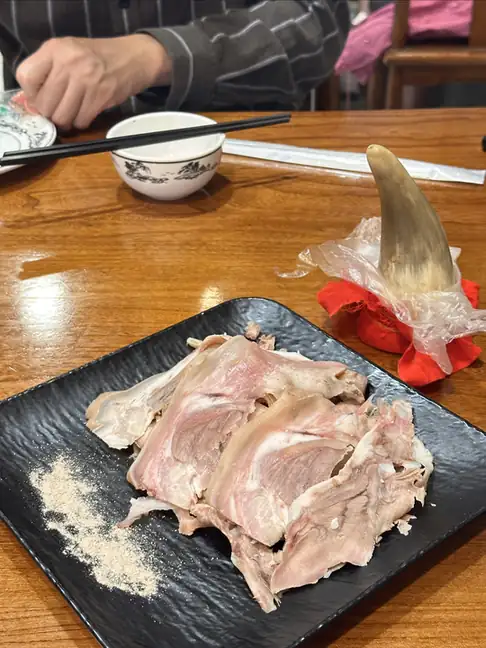
Photo adjustments
EXIF orientation normalized; resized without changing aspect ratio; converted to WebP. No subject edits.
Snowland Sheep's Head (雪域羊头) is a sheep entry listed for Tibet (Xizang); 羊 identifies the animal and 头 names the cut, so the plate is built around a whole head.
Why a head needs long cooking
A head is mostly bone, skin and connective tissue with pockets of meat at the cheek, the tongue and around the jaw. None of that softens quickly. The usual route is a long simmer or braise, sometimes with a first blanch and a clean of the surface, until the meat loosens from the bone and the skin turns gelatinous. A fast, dry method would leave the meat tight and the skin unpleasantly tough.
What the meat actually tastes like
The cheek and the tongue are the two parts people look for: the cheek is fine-grained and soft, the tongue dense and slightly richer, with a skin that peels away after cooking. Around them, skin and connective tissue give a sticky texture that some diners enjoy and others set aside. Seasoning is usually light, because the point of the dish is the texture of the meat rather than a sauce.
A province-level listing
This entry sits at province level and is not assigned to a place name, so the description stands for the wider region rather than for one kitchen. Whether a kitchen boils the head plainly or braises it with aromatics, and whether it arrives whole or already jointed, is not fixed by the name.
Ingredients and dietary checks
Sheep head, water and salt are the base, with ginger, spring onion, chilli or a fermented seasoning sometimes added. Two points are worth raising before you order. A head plate arrives on the bone and needs hands or a knife to deal with, so ask 帮我们切一下吗 (can you cut it for us) if that is awkward. And because the meat is served with its skin, ask 皮还在吗 (is the skin still on) if you prefer it removed.
How to order it
Show 雪域羊头 and ask 一个还是一半 (a whole head or half), 几个人吃 (how many people is it for) and 怎么做 (how is it cooked). Because the dish is usually shared, ask 够四个人吃吗 (is it enough for four) rather than ordering one per person. If you want the tongue and cheek served separately, ask 能分开装吗 (can they be plated separately).
Serving it at a shared table
A head plate is a centrepiece, so it works best with rice, a sharp vegetable dish and plenty of tea. Eat the cheek and tongue first while they are hot, since both firm up as they cool. The remaining skin and bone are usually left on the plate; picking them over is normal, but there is no expectation that everything is finished. Ask for a bowl to rinse your fingers.
More dishes to compare
Explore related local specialties and compare their names, preparation notes and ordering guidance.
Dried yak meat 风干牦牛肉 →
Dried yak meat (风干牦牛肉) is the neighbouring entry: meat preserved by air-drying, sliced thin and served without further cooking. 雪域羊头 sits at the opposite extreme, since the cut demands hours of moist heat and arrives on the bone, so the pair shows how differently two meat entries can be treated.
Questions before you order
Does the dish arrive as a whole head?
It may arrive whole, halved or already jointed, since the record does not fix the presentation. Ask 一个还是一半 (a whole head or half) and 能切开吗 (can it be cut up) before ordering.
How many people does one head serve?
It is a shared plate rather than a portion for one person. Ask 几个人吃 (how many people is it for) at the kitchen, and order rice and a vegetable dish to go with it.
Sources & reading
The supplied food list supports this name and regional association. The culinary terms below are explained as menu vocabulary; a local recipe, origin story and venue availability have not been independently verified.