

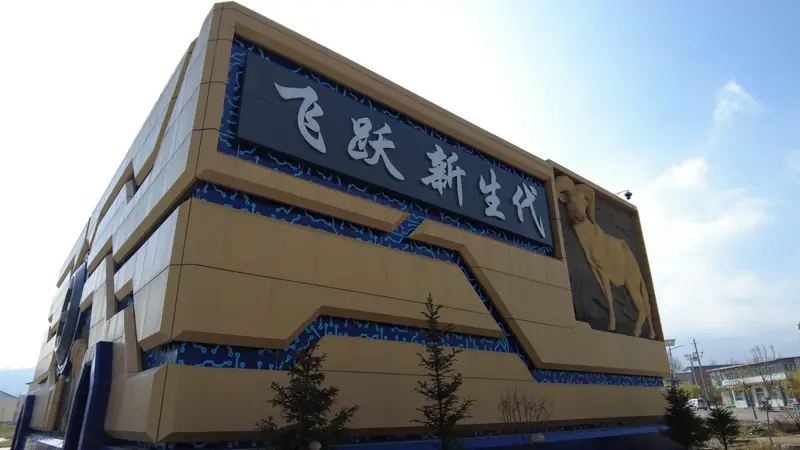
Photo adjustments
EXIF orientation normalized; resized without changing aspect ratio; converted to WebP. No subject edits.
Explore the region
About Songmingyan Scenic Area
The Linxia Daily feature records that the scenic area is now a national 4A-grade tourist scenic area, a national forest park and a provincial scenic area, and part of the Taizi Mountain national nature reserve. It gives the highest point as 2,736 m and the total area as about 33 sq km, and describes the area running on to Taizi Mountain with the Xiaoxia river rushing through the gorge, peaks meeting the cloud, old pines reaching the sky, cloud and mist for much of the year and water running all year. When the wind blows hard, it says, the old pines on the cliffs give out a sound that carries through the gorge without stopping, and that is where the name comes from. It also records that the site is counted among the eight sights of Hezhou and was built in the Chenghua period of the Ming.
Both pages describe the hua'er gathering. The China Net report calls Songmingyan one of Gansu's three famous hua'er venues and the birthplace of Hezhou hua'er, and records that the gathering is held each year from the 26th to the 29th of the fourth lunar month at Songmingyan. It quotes the Hezheng county gazetteer recording that a dragon-flower assembly was held there on the 26th, 27th, 28th and 29th days of the fourth month each year, attended by great numbers of pilgrims. Historical research, it says, puts the appearance of hua'er in Hezheng County in the early Ming, at least several hundred years ago. Singers perform Hezhou tunes and the Peony tune in the open air, solo, in chorus or antiphonally, with mimi, four-string, suona and erhu accompaniment.
The Linxia Daily feature dates the gathering from the 26th to the 28th of the fourth lunar month, popularly called the eighth of the fourth month, when local people and visitors come to tour the hills and waters and sing hua'er. It also reproduces a Qing-dynasty poem, Deng Xumi Yan, by Guo Chaozuo, describing the lone peak, water bursting from rock crevices, the high pavilion against the cliff and the sound of wind in the pines.
The two pages disagree on the number of peaks the scenic area is made up of, on the name of the township it lies in, and on the closing date of the hua'er gathering. This record does not adjudicate between them, gives no peak count, and reports the gathering's dates only as each page states them. Neither page gives opening arrangements or ticket information.
What to look for
- The old pines on the cliffs that the Linxia Daily page says give out a sound through the gorge when the wind blows hard, which gives the place its name
- The hua'er gathering in the fourth lunar month, with singing in the open air and mimi, four-string, suona and erhu accompaniment
- The highest point at 2,736 m, in a scenic area the Linxia Daily page gives as about 33 sq km
Location & getting there
Getting to Songmingyan Scenic Area
Check weather, trail access and the last return service. A mountain or forest area is not one entrance, and a map’s central pin may be far from the trailhead.
- Search for 松鸣岩 with 临夏回族自治州 and 和政县.

Find Songmingyan Scenic Area
松鸣岩 · 和政县
No reliable map pin yet: search by the Chinese name.
Sources & visit information
The linked sources support the identity and background described in this introduction. Opening hours, admission, activity availability and exact arrival arrangements have not been comprehensively checked. Confirm current visitor information with the venue; the original catalogue locality and editorial review flag are retained.