

Explore the region
About Niangniang Mountain
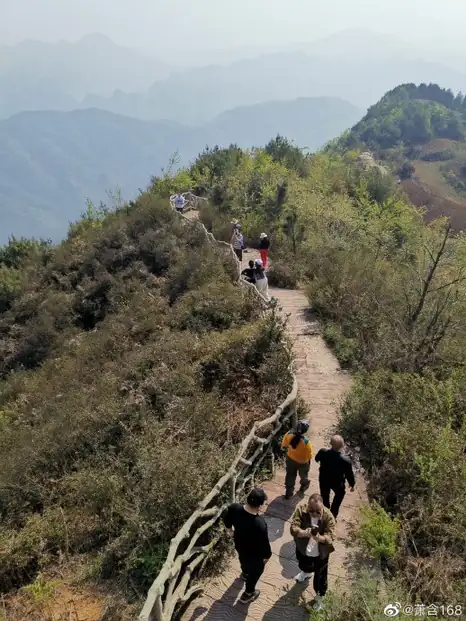
The Niangniangshan area belongs to the Pearl River system and is described by the municipal government as karst plateau mountain country, its ridges rising in conical peaks. Between the valleys and ridges lie continuous cushion-form Sphagnum bogs together with herbaceous marsh and shrub swamp, covering 2,680 hectares in all. The government's account calls Sphagnum a super sponge, able to absorb twenty to twenty-five times its own weight in water, with a strong capacity to hold and store it. On the summit, above cliffs, there are stretches of forest and bamboo and wetland of Sphagnum and Polytrichum moss. In 2017 the Niangniangshan tourist area was rated a national AAAA tourist area.
The settlement at the foot of the mountain is Shepeng village, in the east of Pugu Yi and Miao township in Panzhou, 80 kilometres from the Panzhou urban area and 21 from the township seat, on a territory of 6.1 square kilometres, and it sits in the core area of the scenic area. The Machang River runs across the flat ground in front of the village and enters the Liuchehe gorge at Luoshuidong, with Yi, Miao and Buyi houses ranged along both banks. Other natural features listed for the area include the Tianshan waterfall, Jiangyuandong, Chushuidong, the Sleeping Beauty, Shuipapo, a natural bridge, the Liuchehe gorge and Wanfenglin. The municipal government records more than one legend for the mountain's name: that the Queen Mother of the West made three village sisters the mothers of heaven, earth and humankind and married them to Niangniangshan and to the neighbouring Badanshan and Niupengliangzi; that the summit holds precious wetland from which five streams and falls pour down to water the land and nourish living things, and villagers honoured the mountain as a mother; and that the Sleeping Beauty peak is the sleeping face the Queen Mother left behind when she came down to escape the summer heat.
What to look for
- The Sphagnum bogs between the valleys and ridges, 2,680 hectares of cushion-form peat moss, herbaceous marsh and shrub swamp.
- The summit above the cliffs, with its stretches of forest and bamboo and its Sphagnum and Polytrichum wetland.
- The Sleeping Beauty peak, the outline one of the local legends about the mountain's name is built on.
- The Machang River crossing the flat ground below the village before it enters the Liuchehe gorge at Luoshuidong.
- The Yi, Miao and Buyi houses of Shepeng village along both banks of that river.
Location & getting there
Getting to Niangniang Mountain
Check weather, trail access and the last return service. A mountain or forest area is not one entrance, and a map’s central pin may be far from the trailhead.
- Search for 娘娘山 with 六盘水市 and 盘州市.

Find Niangniang Mountain
娘娘山 · 盘州市
No reliable map pin yet: search by the Chinese name.
Sources & visit information
The linked sources support the identity and background described in this introduction. Opening hours, admission, activity availability and exact arrival arrangements have not been comprehensively checked. Confirm current visitor information with the venue; the original catalogue locality and editorial review flag are retained.
Image credits & notes (1)
- Niangniang Mountain · 娘娘山Photo: sina.cnResized for the web; the photo itself has not been edited.