


Photo adjustments
Proportionally resized and converted to WebP without cropping, retouching or changing the photographed subject.
Explore the region
About Chengyang Wind and Rain Bridge
Stone piers support the timber structure, and five pavilion-like towers punctuate its long tiled roof. The covered corridor makes the crossing an architectural space in its own right, with changing views between the roof supports. On the village side, Ma’an’s drum tower and timber buildings extend the same building tradition beyond the bridge.
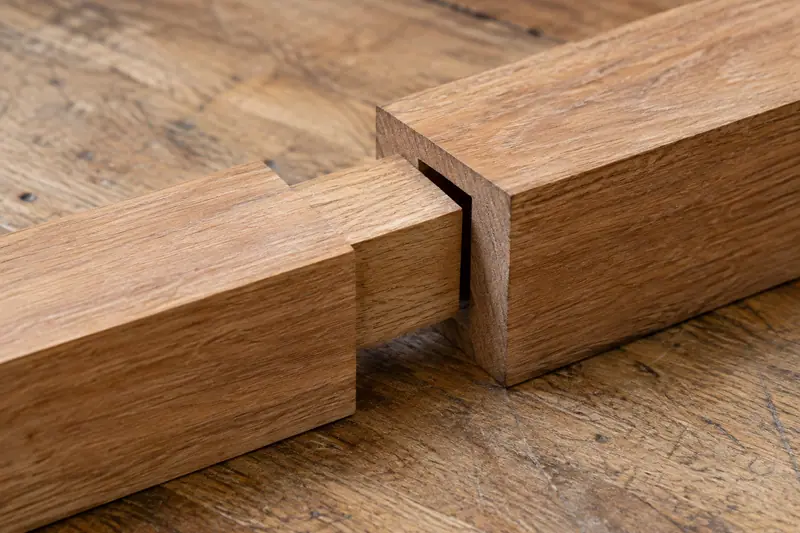
Yongji Bridge was begun in 1912, funded and organized by local Dong (侗族) villagers, and was completed in 1924 after twelve years of construction; its wooden elements are joined entirely by mortise and tenon, without nails, and it is regarded by architects as representative of traditional Chinese timber construction technique. The bridge was damaged by a flood in 1936 or 1937, losing three pavilions on its south side, and was repaired by 1941; a further flood in 1984 damaged two piers and part of the structure, with repairs completed in 1995.
In 1982, the bridge was listed by the State Council as a Major Historical and Cultural Site Protected at the National Level (全国重点文物保护单位), in the second such batch, and it is recognized as a representative work of the national-level intangible cultural heritage item 'Dong timber-structure building technique' (侗族木构建筑营造技艺).
The bridge stands at the core of the Chengyang Eight Villages (程阳八寨) scenic area, made up of eight natural villages including Ma'an (马安), Pingzhai (平寨) and Yanzhai (岩寨). In 2013, these three villages were placed on China's tentative list for UNESCO World Heritage nomination.
What to look for
- Five roofed pavilion towers rise above the covered wooden crossing.
- Stone piers, timber joints and the long corridor reveal how the bridge is assembled.
The surrounding area
A distinct city stop for luosifen and a useful way to expand a food itinerary beyond Guilin.
Location & getting there
Getting to Chengyang Wind and Rain Bridge
Travel to Chengyang Eight Villages in Linxi Town, Sanjiang County. Use the scenic area’s visitor arrival and transfer arrangements for Chengyang Yongji Bridge; the river crossing leads towards Ma’an Village.
Combine your visit
Suggested order for the visit:
-
River-side bridge view
See the stone supports and five roof towers together.
-
Covered bridge corridor
Look at the timber structure while crossing.
-
Ma’an Village drum tower
Continue with the village’s related wooden architecture.
This is an editorial sequence of named spaces or places. It does not imply a verified walking connection or promise opening, ticket availability or a journey time.
Find Chengyang Wind and Rain Bridge
程阳风雨桥 · 柳州
The pin marks the area, not the entrance.
More places nearby
Approximate straight-line distances between map pins, not travel distances.
Sanjiang Drum Tower 三江鼓楼
13 km awaySanjiang Drum Tower rises above Duoye Square in the county town. Its many closely stacked eaves make the wooden structure seem to narrow gradually towards the sky, while carved and painted details reward a closer look near the…
View guide →Longsheng Rice Terraces 龙脊梯田
52 km awayThe Longji terraces wrap around mountain contours in a pattern of narrow fields and curving embankments. Their appearance changes with cultivation: flooded plots reflect the sky, growing rice turns the slopes green, and harvest…
View guide →Mao'er Mountain 猫儿山
70 km awayMao’er Mountain rises into a cool, wet forest environment quite different from the lower Guilin river scenery. Southern hemlocks and high-elevation dwarf woodland are distinctive parts of its vegetation. The summit rock…
View guide →Sources & visit information
The sources below support the place-specific description and arrival information. Suggested combinations are editorial planning ideas; confirm current opening, entry arrangements and transport services for your date.
- Chengyang Bridge ↗
- Shanghai Civil Affairs: Chengyang field visit ↗
- Chinese Wikipedia: 程阳永济桥 (revision 94276801, 2026-09-10) ↗
- English Wikipedia: Chengyang Bridge (revision 1192399147, 2023-12-29) ↗
Visitor information adapted and edited from Wikipedia contributors, “Chengyang Bridge” · CC BY-SA 4.0. Source revision 1192399147.
Background paragraphs translated and condensed from Wikipedia contributors, "程阳永济桥", Chinese Wikipedia · CC BY-SA 4.0. Source revision 94276801.
Background paragraphs condensed from Wikipedia contributors, "Chengyang Bridge", English Wikipedia · CC BY-SA 4.0. Source revision 1192399147.