


Photo adjustments
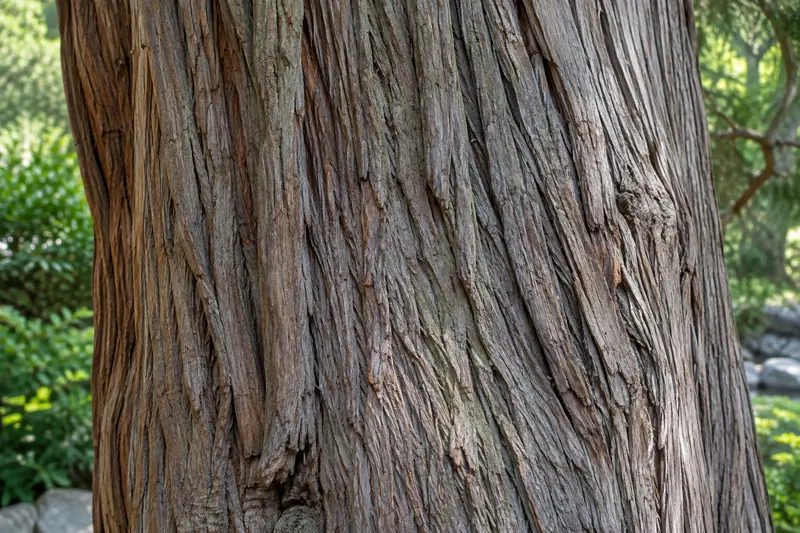
Full frame retained; proportionally resized and converted to WebP. No retouching or changes to the photographed subject. Card displays may crop the view.
Explore the region
About Huangdi Mausoleum
The visit has two distinct settings: Xuanyuan Temple below the hill, with memorial inscriptions and ancient cypresses, and the wooded mausoleum enclosure above. The site’s meaning comes from centuries of ritual and cultural memory; it should not be described as an archaeologically verified burial of a historical individual. Following the temple before the hill makes that commemorative tradition easier to understand.
According to tradition the Yellow Emperor attained immortality and ascended to heaven, so the tomb is a robe-and-cap burial, and the Records of the Grand Historian states he was buried at Qiaoshan (桥山). A shrine for sacrificial rites was built in the fifth year of the Tang Dali era (770), after which the site became a place where emperors and noted figures of successive dynasties offered sacrifices to the Yellow Emperor.
The mausoleum scenic area covers 333 hectares and contains more than 60,000 ancient cypress trees, of which over 30,000 are more than a thousand years old, described as the best-preserved grove of old cypresses in China. It is divided into the tomb area and the Xuanyuan Temple (轩辕庙) area; the tomb itself, enclosed by a brick wall, is now 3.6 meters high with a circumference of 48 meters.
It was renovated repeatedly through successive dynasties, most recently from 1993. In 1961 the State Council had listed the mausoleum in the first group of Major Historical and Cultural Sites Protected at the National Level, numbered 'Ancient Tomb No. 1'. Each Qingming festival the Shaanxi provincial government holds a public memorial ceremony for the Yellow Emperor at the site, and the associated sacrificial rite (黄帝陵祭典) is listed among the first group of national intangible cultural heritage.
What to look for
- Xuanyuan Temple’s cypress trees and inscription corridor, recording successive generations of commemoration.
- The Qiaoshan mausoleum enclosure and ceremonial pavilion in the wooded hilltop setting.
The surrounding area
A northern base for the revolutionary museum, Baota Mountain and separately located historic sites, with its own lamb and noodle traditions.
Location & getting there
Getting to Huangdi Mausoleum
Go to the Huangdi Mausoleum scenic area at Qiaoshan, immediately north of Huangling County town.
- Begin at the lower Xuanyuan Temple area and check the current connection to the hilltop mausoleum before ascending.
Combine your visit
Suggested order within this visit:
-
Xuanyuan Temple
Start with the halls and ancient cypresses.
-
Inscription corridor
Read the record of the site’s commemorative tradition.
-
Qiaoshan mausoleum enclosure
Continue to the wooded hilltop memorial if open.
This sequence is an editorial suggestion based on the features described in the sources. Access to individual buildings or areas should be checked locally; no travel time or shared admission is implied.
Find Huangdi Mausoleum
黄帝陵 · 延安
The pin marks the area, not the entrance.
More places nearby
Approximate straight-line distances between map pins, not travel distances.
Yuhua Palace 玉华宫
43 km awayYuhua Palace occupies a wooded valley near Tongchuan, where a Tang imperial retreat later became a Buddhist monastery. Xuanzang spent his final years here translating scriptures. The surviving archaeological site is therefore…
View guide →Yaozhou Kiln Museum 耀州窑博物馆
69 km awayYaozhou Kiln Museum stands over the historic pottery-production area at Huangbao in Tongchuan. The main interest is the connection between finished ceramics and the workshops that made them. Celadon with carved or impressed…
View guide →Zhaojin 照金
82 km awayZhaojin’s central visitor area brings together the Shaanxi–Gansu revolutionary base memorial, 1933 Square and the nearby commemorative monument. The museum explains the base established in 1933 through historical photographs…
View guide →Sources & visit information
The sources below support the place-specific description and arrival information. Suggested combinations are editorial planning ideas; confirm current opening, entry arrangements and transport services for your date.
- Huangdi Mausoleum cultural database: site features ↗
- Huangdi Mausoleum: inscription corridor ↗
- Wikipedia contributors: Huangdi Mausoleum in Huangling County ↗
- Chinese Wikipedia: 黄帝陵 (黄陵县) (revision 94241357, 2026-09-08) ↗
- English Wikipedia: Mausoleum of the Yellow Emperor (revision 1327029880, 2025-12-12) ↗
Visitor information adapted and edited from Wikipedia contributors · CC BY-SA 4.0.
Background paragraphs translated and condensed from Wikipedia contributors, "黄帝陵 (黄陵县)", Chinese Wikipedia · CC BY-SA 4.0. Source revision 94241357.
Background paragraphs condensed from Wikipedia contributors, "Mausoleum of the Yellow Emperor", English Wikipedia · CC BY-SA 4.0. Source revision 1327029880.