

Entry & permits for Tibet (Xizang)
Foreign tourists need Tibet entry approval, commonly called a Tibet Travel Permit, and an organised visit arranged through a specialist travel agency in China. Confirm your approved route before booking transport. Requirements differ for Taiwan residents and for travellers using mainland or Hong Kong/Macao Chinese resident documents; check the document guide before you book.
Check the travel-document requirements →Policy scope verified: 2026-09-06. UK FCDO: China regional travel advice ↗ State Council Taiwan Affairs Office: Tibet entry approval ↗ Xizang Department of Culture and Tourism: Medog border permit notice ↗

Explore the region
About Yanjing Catholic Church
The two government pages give different foundation accounts and neither is preferred here. The Markam County page has the church built in 1858 by a French Paris missionary, Father Deng Deliang (邓得亮), and calls the result a Tibetan-style earth-and-timber structure and a model of Chinese and Western cultural exchange. The Qamdo tourism bureau page has it built in 1865 by a French missionary of the Paris Foreign Missions, Father Ding Deliang (丁得良), also in earth and timber. On the tourism bureau's account the church later belonged to the Kangding diocese in Sichuan, and between 1865 and 1949 seventeen foreign missionaries came to Yanjing to preach, some of the missionaries and priests arriving from Kangding and from Yunnan. All religious activity at the church was stopped from 1950 to 1984, the building was destroyed during the Cultural Revolution, and in 1987 it was repaired with the help of the people's government.
What the pages describe around the church is a mixed religious landscape. Eighty per cent of the villagers where the church stands are Catholic and recite a Tibetan translation of the Bible; believers are given their names by the priest, and those names often resemble European ones, while funerals follow Catholic rites. Most people in Shangyanjing village are Catholic and the people of Xiayanjing village follow Tibetan Buddhism; the county page notes as a local curiosity that incoming Naxi households follow Tibetan Buddhism while native Tibetans are devout Catholics. Local Catholics still treat Tibetan New Year as the start of the year but also keep Christmas as a major festival, when the priest celebrates Mass and preaches, the faithful and those invited eat together in the church's large courtyard, and the day ends with the traditional Tibetan guozhuang and xianzi dances.
Neither page states a heritage protection status for the church and neither prints a listing document, so none is claimed here.
What to look for
- The church building itself, described by the county government as a Tibetan-style earth-and-timber structure on a site of more than 6,008 square metres
- The Tibetan translation of the Bible used by the congregation
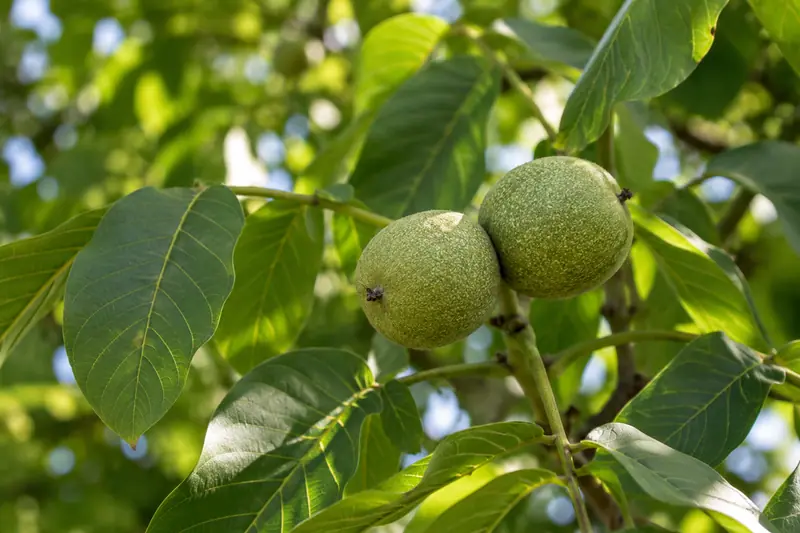
- Walnut trees planted by the missionaries of the time, now casting dense shade
- The vineyard in the back courtyard, which the tourism bureau says yields more than 300 jin of red wine a year
- The contrast the sources draw between Catholic Shangyanjing village and Tibetan Buddhist Xiayanjing village
Location & getting there
Getting to Yanjing Catholic Church
Check which interiors and courtyards are accessible. Active places of worship and protected monuments may have different visitor rules.
- Search for 盐井天主教堂 with 昌都市 and 芒康县.
Find Yanjing Catholic Church
盐井天主教堂 · 芒康县
No reliable map pin yet: search by the Chinese name.
Sources & visit information
The linked sources support the identity and background described in this introduction. Opening hours, admission, activity availability and exact arrival arrangements have not been comprehensively checked. Confirm current visitor information with the venue; the original catalogue locality and editorial review flag are retained.
Image credits & notes (1)
- Yanjing Catholic Church · 盐井天主教堂Photo: China News Service · CC BY 4.0Resized for the web; the photo itself has not been edited.
