

Steamed Basin Stew 蒸盆子
Steamed Basin Stew is featured among the local specialties of Shaanxi.
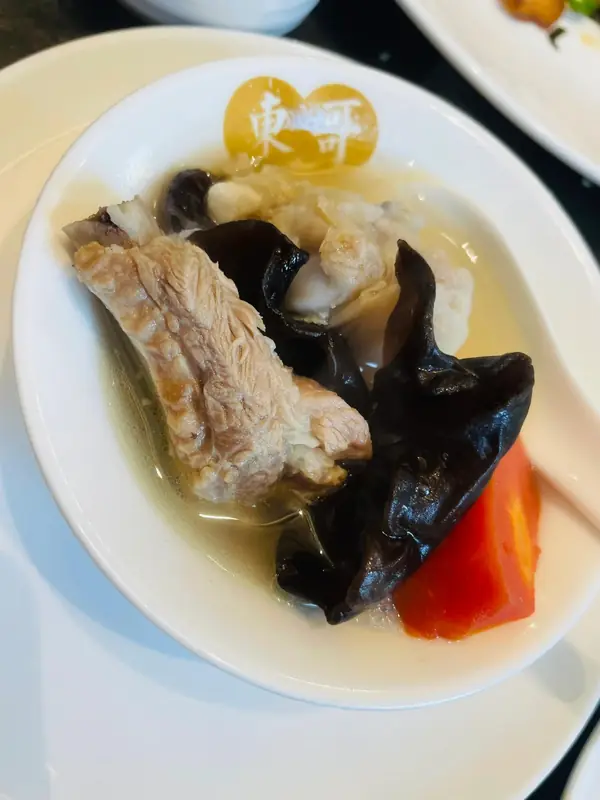
Image notes
Resized for the web; the photo itself has not been edited.
Steamed Basin Stew (蒸盆子) is a whole pot of chicken, pork trotters, lotus root and vegetables steamed for hours in a basin set over water. In 2018 the China Cuisine Association (中国烹饪协会) named it one of Shaanxi's ten classic dishes in its 'Chinese Cuisine' (中国菜) list. The best-documented version is from Ziyang County (紫阳县) in Ankang (安康): the Ankang city government traces Ziyang steamed basin to Hanwang town (汉王镇), and its making technique is on the Shaanxi provincial intangible cultural heritage list.
Where it comes from
The 2018 list gave Shaanxi ten classic dishes, and steamed basin sits on it beside dishes such as milk-broth fish in a pot (奶汤锅子鱼), Shangzhi pork (商芝肉) and gourd chicken (葫芦鸡). In Ziyang it is the dish every family puts on the table for the New Year's Eve dinner. Shaanxi Daily notes that steamed basin is made in other places too, but Ziyang people hold that their soft, selenium-rich water and local ingredients give theirs a taste of its own.
How it is made
For the Ziyang version, the Ankang city government lists the ingredients as a whole free-range chicken, pork trotters, lotus root, red and white radish, daylily buds, wood ear mushrooms, shiitake, egg dumplings and soaked cuttlefish, seasoned with star anise, tsaoko, cassia, Sichuan pepper and dried chillies. Everything goes into a basin that is steamed over water in a large wok for at least four hours.
Home cooks vary it. Xia Zhaoqin (夏召琴), a 63-year-old cook in Peiba village (裴坝村), Gaoqiao town (高桥镇), Ziyang, uses a pottery basin and pork from pigs she raises herself. She washes, blanches, drains and marinates the pork, steams it until about 80 per cent done, then adds lotus root, dried green beans and dried bamboo shoots, and sometimes carrot, yam or chestnuts. The egg dumplings go in ten minutes before the end.
How it is eaten
The ingredients carry auspicious meanings, according to Ziyang folk-culture tradition bearer Quan Chunguo (权春国): trotters stand for wealth, a hen of three or four jin for the phoenix, lotus root and fish for surplus year after year, and the red of the carrot for a prosperous year. The broth comes out clear and fragrant, and the trotters soft.
Sources & reading
Written from the linked sources and fact-checked against them on 2026-09-24. Recipes and servings vary between kitchens.