

Qinghe Lamb 清河羊肉
Qinghe Lamb is featured among the local specialties of Gansu.
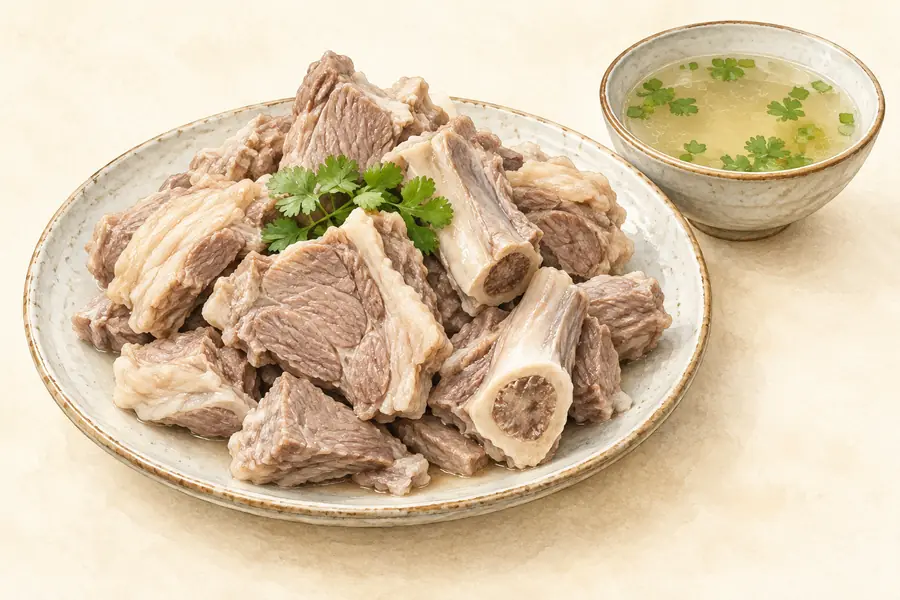
Qinghe Lamb (清河羊肉) is listed for Jinchang in Gansu, and the name joins a place inside the district with the one ingredient that region is known for: lamb from Yongchang.
How the lamb is cooked
The cookery that surrounds this name is closer to plain boiling than to slow braising. Yongchang's own government pages describe lamb that is boiled in large pieces and eaten with salt, and they list pot-boiled lamb and large-cut boiled lamb among the dishes the district is known for, alongside a braised version and one served over rolled dough. The district page also credits local well water, firewood and cooking pots for the flavour of Qinghe cooking, and says plainly that the same recipe made elsewhere tastes less complete.
Why the lamb tastes the way it does
Yongchang lamb is described as finely textured with a mild smell, springy rather than greasy, and lower in fat than mutton generally is. That mildness is the point of the district's marketing: the animals graze high-altitude pasture watered by Qilian meltwater, and local sources use the phrase about eating herbs and drinking mineral water to explain the result. If you have been put off mutton elsewhere by a strong smell, this is the profile to try.
Where Qinghe sits
Qinghe is a local place name inside Yongchang county, the same name that appears in a documented Jinchang dish, Qinghe water-boiled chicken, which is made by a restaurant in Zhu Wang Bao township. Local write-ups treat the water, the firewood and the pot as part of that dish's identity, and the district's lamb is marketed in the same terms. So the name on a menu signals a place and a local cooking tradition rather than a single standardised plate.
Ingredients and checks
Lamb is the whole dish. The cooking described in the district's pages is deliberately simple, which means salt, aromatics and the meat's own fat carry the flavour; expect garlic, chilli or vinegar on the table rather than in the pot. Anyone who avoids lamb will not find a substitute here, and because portions are cut from whole pieces, ask the kitchen how much meat a serving contains before ordering for a group.
How to order it
Ask for 羊肉 in Yongchang rather than assuming the Qinghe name will be recognised, and ask whether the cut is boiled, braised or served over dough. Ordering lamb by weight is common in this part of Gansu, so confirm whether the price quoted is per portion or per jin. If you are travelling through Jinchang, the district's own material points to lamb as the dish to eat rather than as one option among many.
How it is eaten
Boiled lamb is eaten with the hands or with chopsticks, dipped in salt or in a chilli and vinegar mix, and it is normal to chew the meat off the bone rather than to expect neat slices. A plain bowl of noodles or the local rolled-dough dish is the usual way to make a full meal of it, and cold vegetables or pickles cut through the fat. Because the flavour depends on the meat rather than a sauce, it is worth eating while it is still hot.
More dishes to compare
Explore related local specialties and compare their names, preparation notes and ordering guidance.
Braised Mutton with Rolled Dough 羊肉垫卷子 →
Braised Mutton with Rolled Dough (羊肉垫卷子) is catalogued for Jinchang, and the name describes lamb with rolled dough laid over or under it. It is the dish the district's own material names first among its signature lamb dishes, and it solves the problem that plain boiled lamb leaves open: what to eat with the meat. Set against a straightforward Qinghe-style lamb order, the juanzi version adds a starch layer that soaks up the broth, while a plain boiled portion keeps the focus entirely on the mild, finely textured meat. Order one of each if you are eating in company.
Questions before you order
What exactly is a Qinghe lamb dish?
No published source found here names a single fixed dish called 清河羊肉. Qinghe is a place name inside Yongchang county near Zhu Wang Bao township, and the entry describes the lamb and cooking of that area rather than one set recipe.
Is the lamb strongly flavoured?
The district describes Yongchang lamb as mild in smell, finely textured and not greasy, with the local pasture and meltwater credited for that. It is a reasonable choice if mutton elsewhere has tasted too strong to you.
Sources & reading
The supplied food list supports this name and regional association. The culinary terms below are explained as menu vocabulary; a local recipe, origin story and venue availability have not been independently verified.