

Guilin Sanhua rice spirit 桂林三花酒
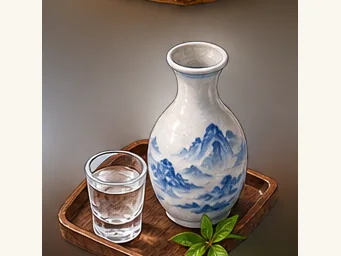
A clear, distilled rice spirit associated with Guilin, Sanhua is known for a delicate rice-and-honey-like aroma, a soft entry and a clean, warming finish. It belongs to China’s rice-aroma baijiu tradition, not to sweet, low-alcohol fermented rice wine.
Tap any red Chinese text to hear it in Mandarin.
What it is and where it belongs
Guilin Sanhua (桂林三花酒) is a distilled spirit in the rice-aroma style of baijiu. The named drink is strongly associated with Guilin and the local producer Guilin Sanhua Co., Ltd.; the rice-aroma category itself is not unique to Guilin, and not every rice-based spirit is Sanhua.
The name is often explained locally through the brewing and the “flowers” of bubbles: a Guilin account links it to repeated steaming and the fine layers of foam that appear when the liquor is shaken. This describes a traditional explanation of the name, not an ingredient or a guaranteed test of a bottle.
Rice, starter and distillation
Rice-aroma baijiu begins with rice rather than the sorghum common in many other baijiu styles. In the traditional process described in food-science literature, steamed rice is inoculated with xiaoqu (小曲), a small-grain starter culture carrying the microorganisms and enzymes that turn rice starch into fermentable sugars and help fermentation produce alcohol and aroma. The mash is saccharified and fermented in a moist, semi-solid stage, then water is added for a shorter liquid fermentation before the fermented material is distilled. The exact sequence and product recipe can vary by producer and bottling, so this category-level account should not be read as a guaranteed current factory formula.
The clear spirit is the distilled result, not the sweet, cloudy rice ferment sometimes served as a drink or dessert. Traditional Guilin descriptions also connect Sanhua with carefully selected rice and aging; a local report describes the house style as honey-fragrant, smooth on entry, crisp as it goes down and lingering pleasantly.
Aroma, taste and how to try it
Expect a restrained, clean rice aroma, often described as elegant or lightly honey-like rather than heavily perfumed. The first sip can feel soft and rounded; sweetness is subtle, the finish is relatively brisk, and a faint pleasant bitterness may remain. Alcohol warmth follows because this is a distilled spirit. Bottles can differ in strength and maturity, so read the individual label rather than assuming one standard alcohol percentage. The producer’s product catalogue, for example, lists a 53% ABV commemorative bottling; that is one product, not a citywide serving standard.
If offered by a restaurant, ask for 桂林三花酒 Guìlín Sānhuā Jiǔ and check the bottle or menu for alcohol strength. A small neat pour is a practical way to notice the aroma before the warming finish; sip slowly and pair it with food only if that suits you. For a sealed bottle, use a licensed seller and check that the label identifies the product and its ABV.
This is an alcoholic drink for adults of legal drinking age. Drink modestly and do not drive after drinking.
Where to eat it
You can find Guilin Sanhua rice spirit all over Guilin, so there is no need to seek out one particular restaurant. To find one near you, search for “桂林三花酒” in Meituan (美团) or Amap (高德地图) and check recent reviews, distance and opening hours.
More dishes to compare
Explore related local specialties and compare their names, preparation notes and ordering guidance.
Guilin steamed rice sponge cake 松糕 →
Rice flour is moistened and steamed into a loosely textured cake, sometimes layered with taro or other additions. The preparation aims for a soft crumb rather than a stretchy sticky-rice dough. The cake is lightly sweet and tender, with a slightly grainy, airy bite. Taro, when included, adds an earthy, powdery richness.
Guilin shuiciba rice balls 水糍粑 →
Glutinous rice is worked into a smooth dough and wrapped around a sweet filling. Sesame, peanuts and sugar are traditional choices, while shops also make softer paste fillings and newer variations. The white wrapper is supple, sticky and finely textured, with either a nutty crunch or a smooth center depending on the filling. Small bites make its dense chew easier to enjoy.
Sources & reading
Recipes and servings vary between kitchens.