

Qingyang Saozi Noodles 庆阳臊子面
Qingyang Saozi Noodles is featured among the local specialties of Gansu.
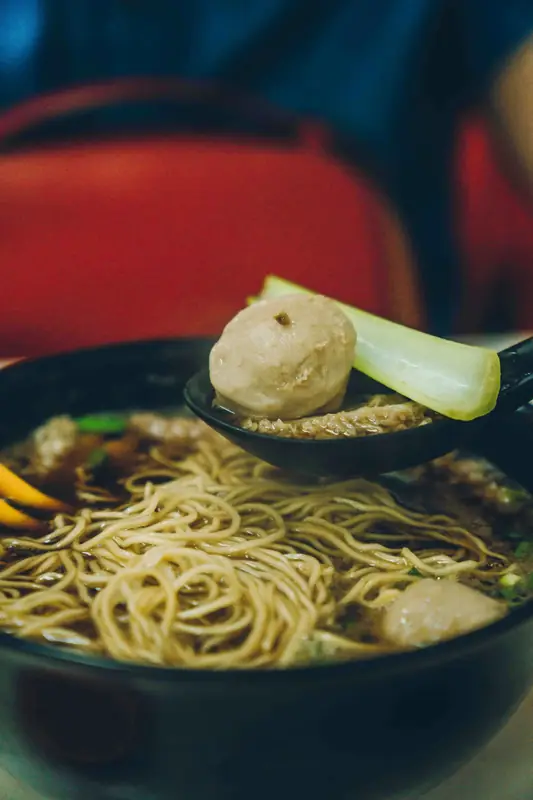
Image notes
Resized for the web; the photo itself has not been edited.
Qingyang Saozi Noodles (庆阳臊子面) are fine, long wheat noodles named after the saozi (臊子) soup of diced meat poured over them, a traditional dish of eastern Gansu (陇东, Longdong) around Qingyang (庆阳). The Qingcheng County (庆城县) tourism bureau calls them a top-grade local food, served as the long-life noodle on birthdays and to honoured guests.
How it is made
The noodles are mostly wheat dough rolled out and cut into fine, long strands. The bureau lists the sequence as mixing the dough, kneading it, resting the kneaded dough in a closed space for a while, rolling, cutting, boiling, lifting the noodles out and pouring on the soup. It names six things that must be done well, the soup and the mixing, kneading, rolling, cutting and boiling of the noodles, and says the dish loses its flavour if any one of them falls short.
The saozi itself is usually pork or mutton cut into evenly sized dice and seasoned with salt, ginger powder, star anise, chilli powder and Sichuan pepper. It can be made ahead and stored in an earthenware jar to be used as needed, or cooked fresh from pork or mutton. For the soup, chopped spring onion is fried in vegetable oil, then the saozi, cooked lard and chilli powder go in, followed by diced red and white radish, diced tofu, daylily and wood ear. Water is added and everything is boiled, and thin diamond-shaped pieces of egg pancake and spinach finish the pot. The bureau also gives a shorter version in which diced radish, tofu and pork are fried with daylily, wood ear and kelp, then water, chilli oil and beaten egg are added.
Flavour and texture
The finished soup is bright in colour, heavy with oil and strong in flavour. A Qingyang saying describes the noodles turning like a lotus in the pot, swinging on the chopsticks, lying in the bowl as a single line and tasting divine in the mouth. Because eating them makes a sound like a whistle, they are also called shaozi noodles (哨子面, whistle noodles).
How it is eaten
The saozi soup is brought to the table first and the plain boiled noodles second, and diners use chopsticks to lift the noodles into the bowl of soup. One bowl of soup can serve for two or three bowls of noodles, or it can be eaten one bowl of noodles to one bowl of soup. In eastern Gansu the dish is expected when an honoured guest arrives, and how well it is made is taken as a measure of the cooking of the woman of the house and of the household.
More dishes to compare
Explore related local specialties and compare their names, preparation notes and ordering guidance.
Qingyang Pressed Noodles 庆阳饸饹面 →
Qingyang Pressed Noodles also use a fried diced-meat saozi simmered with tofu, but their dough is squeezed through a perforated press and the noodles come with the soup already poured on, whereas saozi noodles are rolled and cut and served apart from the soup.
Sources & reading
Written from the linked sources and fact-checked against them on 2026-09-23. Recipes and servings vary between kitchens.