

Braised Abalone in Oyster Sauce 蚝皇鲍鱼
Braised abalone in oyster sauce (蚝皇鲍鱼) is a rich Cantonese-style seafood dish: a tender or springy abalone is served with a glossy, savoury oyster-based sauce. In Zhuhai, it sits naturally beside the city’s oyster culture, but the dish is not a single fixed Zhuhai recipe—fresh, dried and canned abalone, as well as different braising sauces, produce different plates.
Tap any red Chinese text to hear it in Mandarin.
Why it belongs on a Zhuhai food list
Zhuhai’s strongest local connection here is its oyster culture, rather than a proven claim that this exact abalone dish was invented in the city. An official Hengqin page describes oyster farming along the island’s shores and identifies the local production technique as part of Zhuhai’s municipal intangible cultural heritage. It also describes the local oysters as plump, tender and crisp.
That gives the oyster sauce a meaningful coastal setting, but 蚝皇 should not be read as a guarantee that a restaurant used Hengqin oysters. The name describes the sauce style. The abalone may come fresh, dried or canned, and the stock and finishing sauce are kitchen choices.
Abalone also carries a celebratory association in Cantonese cooking. A Cantonese family recipe describes abalone with lettuce as a luxurious dish for New Year and other celebrations, using the ingredient’s auspicious sound symbolism as part of the meal. In Zhuhai, this is therefore better approached as a formal seafood dish than as a casual street snack.
What arrives at the table
The abalone should remain recognisable rather than disappearing under gravy. A Cantonese cooking guide describes it as briny, smooth and slightly chewy when properly cooked. The oyster sauce supplies the darker savoury note and a glossy coating. The exact balance depends on the abalone product and the kitchen’s stock.
Green vegetables are a useful part of the plate. One recipe sets the abalone on asparagus or another green vegetable, while another plates it with lettuce and shiitake mushrooms so the sauce runs into the vegetables. Expect the vegetable and the sauce to be part of the eating experience, not just decoration.
How it is made
There is no single method that every Zhuhai kitchen follows. In one published recipe, a whole canned abalone is steamed until hot, placed on green vegetables, and finished with a sauce of oyster sauce, water and cornflour before being sliced for serving. Another Cantonese recipe uses the liquid from canned abalone with mushrooms and lettuce, adds the already-cooked abalone only briefly to heat it through, then thickens a sauce containing oyster sauce, soy sauce, sugar, salt and cornflour.
These examples explain why two plates with the same English name can feel different. Canned abalone is convenient and already cooked; dried abalone needs rehydration, and a restaurant using fresh abalone may choose a different cooking time and texture. Ask which form the kitchen is serving rather than assuming that “braised” means a long simmer.
How to order
Keep the Chinese name 蚝皇鲍鱼 háohuáng bàoyú ready when looking at a Cantonese seafood or banquet menu. Before ordering, ask whether the abalone is fresh, dried or canned, and whether the price is for one piece or for the dish. Those details affect the texture, portion and cost.
If you want the sauce explained, point to 蚝皇 háohuáng and ask what the dish contains. If gluten matters, ask 有面粉吗? Yǒu miànfěn ma? (“Does it contain wheat flour?”) rather than assuming that every oyster sauce is the same. A certified gluten-free oyster-flavoured sauce exists, but its ingredient list is a specific product formula and does not make a restaurant version automatically gluten-free.
Dietary and allergy notes
This is not vegetarian or vegan. Abalone and oyster are both molluscan shellfish. Food Allergy Research & Education lists both among mollusks and advises people with shellfish allergies to avoid shellfish products, ask about ingredients and take cross-contact seriously. Tell the restaurant about a shellfish allergy before ordering; do not rely on removing the abalone from a finished sauce.
Do not treat the dish as gluten-free without checking the actual sauce and stock. Soy sauce, thickener and other additions vary by kitchen, while even a certified gluten-free oyster-flavoured sauce is still made with oyster ingredients.
Where to eat it
You can find Braised abalone in oyster sauce all over Guangdong, so there is no need to seek out one particular restaurant. To find one near you, search for “蚝皇鲍鱼” in Meituan (美团) or Amap (高德地图) and check recent reviews, distance and opening hours.
More dishes to compare
Explore related local specialties and compare their names, preparation notes and ordering guidance.
Heng Qin Hao 横琴蚝 →
Hengqin oysters are the raw ingredient, grilled or steamed in the shell; 蚝皇鲍鱼 uses the reduced sauce made from the same shellfish to glaze an expensive mollusc, so the two are the cheap and the formal ends of one estuary.
Sources & reading
Image credits & notes (1)
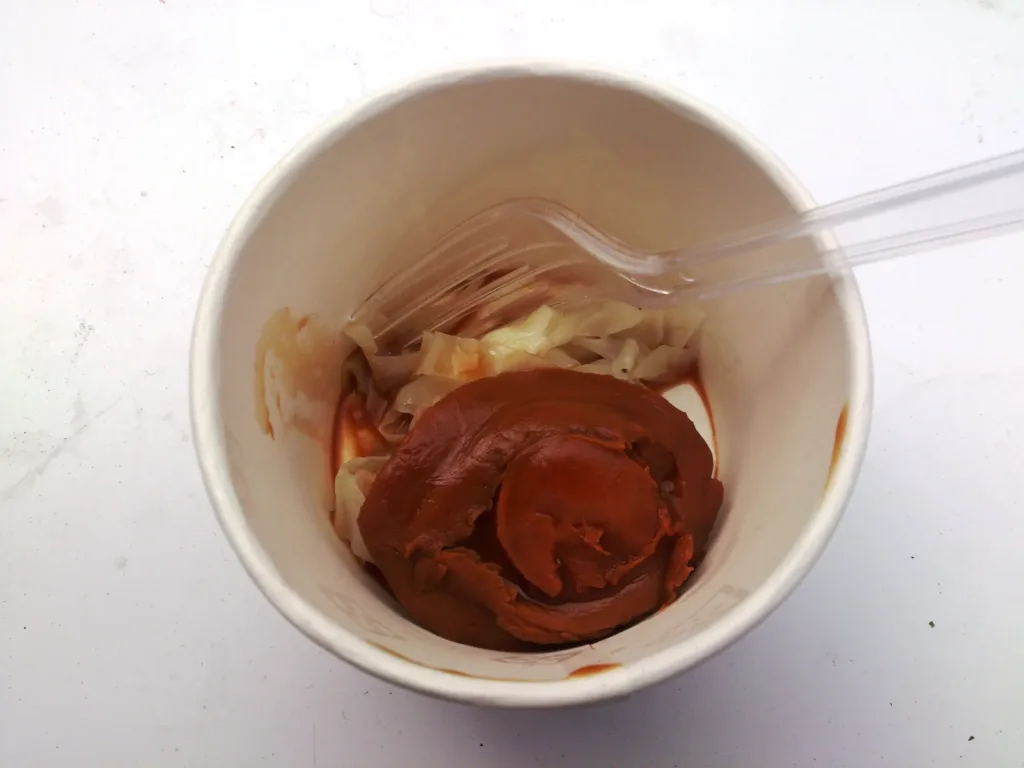
- A representative serving of mini abalone in oyster sauce photographed in Hong Kong. This is a Cantonese dish illustration for the Zhuhai food entry, not a photograph of a Zhuhai restaurant or a claim that the plate uses Hengqin oysters. Photo: CeesevenPhoto: CC BY-SA 4.0