

Ningxia lahuhu spicy dipping pot 宁夏辣糊糊
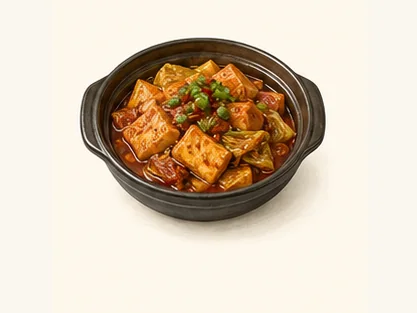
Ningxia lahuhu is a Ningxia street-food pot built around a thick chilli-based sauce. Skewered potatoes, vegetables or meat may be heated, dipped or simmered until the sauce clings to them. The attraction is the contrast between soft, springy or chewy ingredients and direct, aromatic heat; the base, stock and spice level vary from vendor to vendor.
Tap any red Chinese text to hear it in Mandarin.
What you are eating
Lahuhu is better understood as a way of preparing and eating a range of ingredients than as one fixed bowl. A vendor cooks or reheats selected items in a thick, red sauce, or lets diners dip skewers into it. The sauce coats the food instead of behaving like a clear soup, so a potato slice, a vegetable or a piece of meat can carry a concentrated layer of chilli and spice.
The texture is part of the appeal. Potatoes turn soft and starchy; other skewered ingredients can stay springy or chewy. Because the ingredients are chosen separately, you can build a small tasting order rather than committing to one uniform hotpot.
How the sauce gets its character
There is no single formula to memorise. One Ningxia tourism account describes Pingluo chilli being roasted with peanuts and sesame, ground, and simmered with water into a thick paste. A report from a Yinchuan stall describes raw chilli powder cooked with stock until it becomes a thick base. Together, these accounts explain why the colour and cling are recognisable while the exact flavour changes from kitchen to kitchen.
Natural spices and each vendor’s blend shape the balance between chilli heat, aroma, salt and savouriness. “Less oil” is part of the local description, but it does not mean every version is low-fat, low-salt or free of animal stock.
Why it belongs in a Ningxia food itinerary
Lahuhu is tied to everyday eating in Ningxia rather than to a single formal dining tradition. Xinhua describes its path from street skewers in the 1980s to a food associated with Yinchuan, while a Ministry of Culture and Tourism route presents it among the local foods of Shizuishan. It is therefore useful to treat lahuhu as a regional Ningxia food with local versions, not as a recipe owned by one city or one restaurant.
How to order
Show the name 宁夏辣糊糊 Níngxià Là Húhu when asking for the dish. Start with a few ingredients, then add more after you know the heat and the sauce’s thickness. Ask which items contain meat or are cooked with stock, and whether the vendor can adjust the spice level. A stall may count skewers, portions or ingredients differently, so confirm the pricing method before ordering a large selection.
If you have allergies or dietary restrictions, ask specifically about peanuts, sesame, meat, stock and shared cooking equipment. The red sauce alone cannot tell you whether a serving is vegetarian or free from a particular allergen.
Where to eat it
You can find Ningxia lahuhu spicy dipping pot all over Ningxia, so there is no need to seek out one particular restaurant. To find one near you, search for “宁夏辣糊糊” in Meituan (美团) or Amap (高德地图) and check recent reviews, distance and opening hours.
More dishes to compare
Explore related local specialties and compare their names, preparation notes and ordering guidance.
Ningxia mixed savoury soup bowl 宁夏烩小吃 →
The individual components are prepared first, then combined and heated in broth. Softer ingredients absorb the liquid while firmer pieces retain their shape, producing a mixed bowl rather than a puréed soup. The appeal lies in changing textures: soft tofu, springy noodles, vegetables and savoury meat. Chilli or vinegar may be offered separately, which allows a gentler first taste of the broth.
Ningxia stir-braised flatbread strips 宁夏炒糊饽 →
The bread is prepared and sliced before being added to a pan of meat, vegetables and a little broth. Stirring and covered cooking soften the strips, while the liquid reduces into a coating. Expect tender meat and bread with some resilience rather than a crisp toast texture. Tomato and aromatics can provide a gentle tang beneath the savoury stock, with chilli depending on the kitchen.
Sources & reading
Recipes and servings vary between kitchens.