

Tiaoshui Rabbit 跳水兔
Tiaoshui Rabbit is featured among the local specialties of Sichuan.
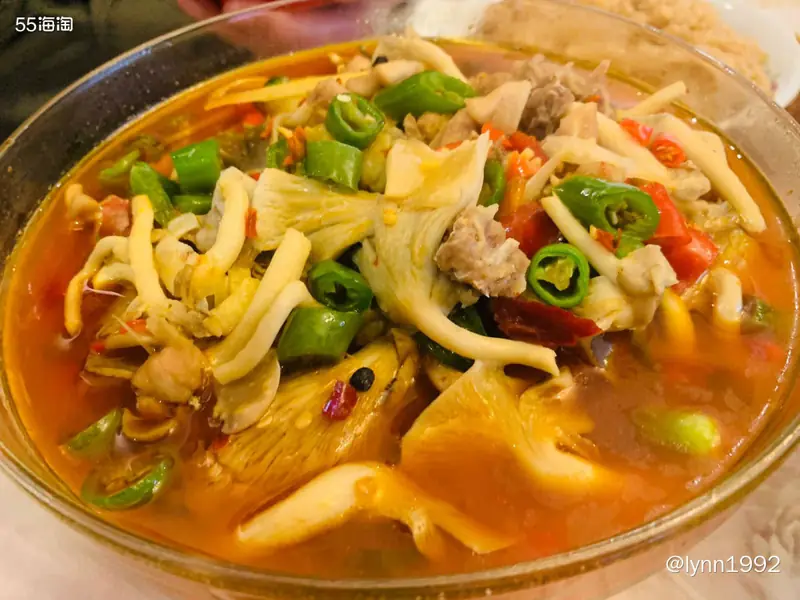
Photo adjustments
EXIF orientation normalized; resized without changing aspect ratio; converted to WebP. No subject edits.
Tiaoshui Rabbit (跳水兔) is a rabbit dish listed among the specialities of Zigong, Sichuan, a city whose salt-helpings cooking is recognised nationally and whose menus run from 冷吃兔 to 鲜锅兔.
What the name tells you, and what it does not
The name is built from 跳水, jumped into water, plus 兔, rabbit. Zigong uses 跳水 for a genuine dish on its own certified list — 跳水鱼 is named among the specialities of Zililiujing district — so the pattern is local rather than a one-off brand. It implies a short cooking time in liquid rather than a long braise, but the city’s published list does not print a recipe. That means the cuts, the blanching or poaching step and the dressing all have to be confirmed at the kitchen rather than inferred from the name.
Reading a Zigong rabbit dish
Zigong’s certified list shows the range rabbit covers here: 冷吃兔 served as a dry, chewy cold nibble, 鲜锅兔 as a fresh, soupy pot, 陈皮兔 scented with dried citrus peel, 火爆兔肚 as a fast wok dish, and 葱香兔 leading with spring onion. The general direction of 盐帮菜 is 鲜辣 — fresh and hot rather than merely chilli-heavy — so a dish described as 跳水 is likely to be built on freshness and a sharp, bright seasoning. If you want to know how hot it will be, ask 辣不辣 or 微辣可以吗 before ordering.
Zigong and its rabbit habit
Zigong was named 中国盐帮菜之乡 by the China Hotel Association in December 2018, and the city’s own reporting puts nearly 9,000 salt-helpings restaurants and more than 100,000 workers behind that name. Rabbit sits at the centre of the repertoire: the association’s certified list of 60 dishes includes 鲜锅兔 and 自贡冷吃兔 as provincial-level 天府名菜 and adds 老街干锅兔, 葱香兔, 陈皮兔 and 荣州麻辣兔 from the districts. 跳水兔 belongs to that established rabbit culture rather than standing alone.
Confirming meat, heat and bones
The one certain ingredient is rabbit. Everything else — whether the meat is chopped bone-in or boned, whether the cooking liquid is stock or water, what chilli and Sichuan pepper go into the dressing — is not established by the name, so ask 是带骨的吗 (bone-in), 辣不辣 (how hot), 有没有花椒 (is there Sichuan pepper) and 几个人吃 (how many people the portion serves). Rabbit is lean, which is why so many Zigong versions pair it with oil, chilli and aromatics; if you prefer a milder plate, say 微辣 or ask for the chilli to be served on the side.
Ordering it in Zigong
Ask for 跳水兔, then confirm the form: 一份 (one portion), 大份小份 (large or small), 热的还是凉的 (hot or cold) — Zigong serves rabbit both ways, as 冷吃兔 shows. If the kitchen does not have it, the same city offers close cousins worth asking about by name: 鲜锅兔 for a soupy pot, 陈皮兔 for a citrus-peel version, 葱香兔 for a milder spring-onion plate. Ordering rice alongside is standard, since salt-helpings dishes are seasoned to be eaten with plain starch rather than on their own.
Eating rabbit at a Zigong table
Rabbit here is shared food: a plate or pot goes in the middle and everyone takes from it, with rice or a plain vegetable to carry the seasoning. Bone-in pieces need chopsticks and a little patience, and the small bones are part of the point, so pace yourself rather than treating it as a quick bite. If the dish comes cold, it is meant as a nibble alongside drinks or as an opener; if it comes hot, eat it promptly, since the brightness of 鲜辣 seasoning fades as the plate cools.
More dishes to compare
Explore related local specialties and compare their names, preparation notes and ordering guidance.
Sichuan chili-broth beef 水煮牛肉 →
Sichuan chili-broth beef (水煮牛肉) is a Zigong classic: thin beef slices laid over vegetables in a red broth topped with chilli and Sichuan pepper, despite a name that literally means water-boiled. Tiao shui tu shares the local habit of cooking meat quickly and dressing it sharply, but the protein is rabbit — leaner and more often chopped bone-in — and the 跳水 name points to a lighter, wetter treatment rather than the oil-topped broth that defines 水煮牛肉.
Questions before you order
Is 跳水兔 a certified Zigong dish?
Not on the published list — that list names 跳水鱼 for Zililiujing district and six other rabbit dishes, so the city’s rabbit repertoire and the 跳水 name are documented while this exact dish is not.
What should I ask when ordering it?
Ask 辣不辣 (how hot), 是带骨的吗 (bone-in), 热的还是凉的 (hot or cold) and 几个人吃 (portion size), because none of those details is fixed by the dish name.
Sources & reading
The supplied food list supports this name and regional association. The culinary terms below are explained as menu vocabulary; a local recipe, origin story and venue availability have not been independently verified.